
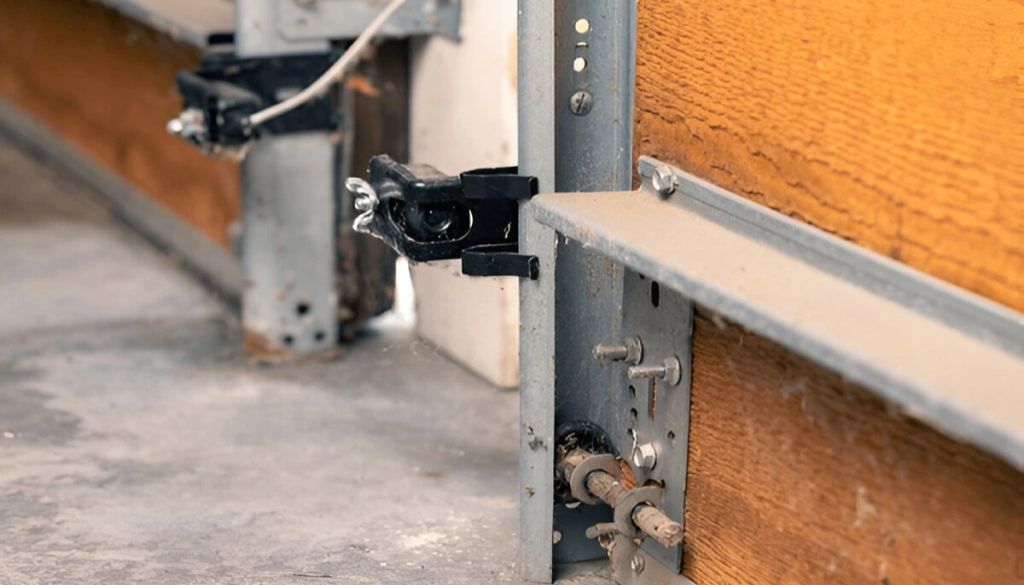
If your garage door refuses to close and you’re searching for how to bypass a garage door sensor, you’re not alone. Sensor problems are one of the most common garage door frustrations Australian homeowners face. But before you reach for the wires or start taping over lenses, it’s important to understand what’s really going on, what’s at stake, and what safer options you actually have.
This guide covers everything you need to know about garage door sensor bypasses, from why sensors exist and why they fail, to the temporary workarounds people use, the real risks involved, and what professional technicians actually recommend.
Understanding Garage Door Sensors and Why They Exist
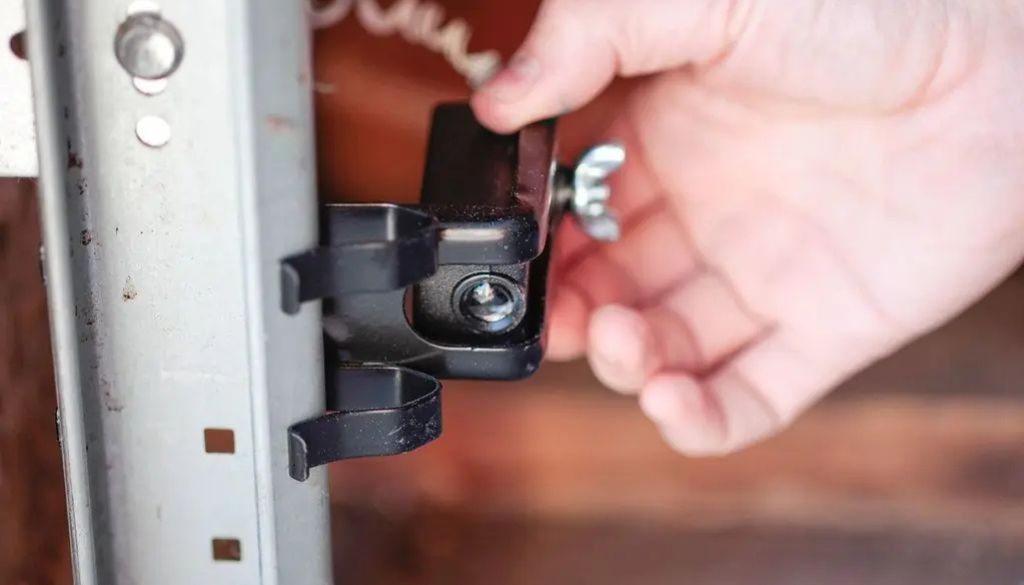
Garage door safety sensors are small infrared devices mounted near the base of your garage door opening, typically about 10 to 15 centimetres above the ground. They work by projecting an invisible beam from a transmitter on one side to a receiver on the other. If anything interrupts that beam while the door is closing, the system immediately reverses direction. For a deeper dive into the mechanics, our guide on how garage door sensors work explains the full infrared detection process.
In Australia, safety sensors have been a regulatory requirement on automatic garage door openers since the early 1990s. These devices exist for one critical reason: to prevent crushing injuries. A standard garage door can weigh well over 100 kilograms, and without functional sensors, it becomes a serious hazard for children, pets, and anyone who might walk under a closing door.
Your sensors also protect your property. Without them, your garage door could close on a vehicle, bicycle, or any object in its path, causing damage to both the door mechanism and whatever it strikes.
Why People Search for Garage Door Sensor Bypass Methods
Most homeowners searching for sensor bypass solutions aren’t looking to permanently disable a safety feature. They’re dealing with a frustrating problem: a garage door that won’t close even though nothing is blocking the path. The most common reasons include:
False obstruction detection is the number one culprit. Your sensors may detect a problem that isn’t there, leaving you unable to close the door. This can happen when lenses are dirty, when cobwebs have formed over the sensor housing, or when sunlight hits the receiver at the wrong angle.
Sensor misalignment is another frequent issue. Even a small bump from a broom, foot, or bike wheel can knock sensors out of alignment. When this happens, the infrared beam can’t connect, and your opener interprets this as an obstruction. If you’ve noticed a yellow light on your garage door sensor, misalignment or wiring issues are likely the cause.
Wiring damage and electrical interference also trigger sensor failures. Rodents chewing through cables, corroded connections, and nearby electronic devices can all disrupt the signal between your sensors. In emergency situations, such as during a storm or power outage, homeowners may need to close their garage door manually and consider temporarily working around the sensor system.
Will a Garage Door Work Without Sensors?
Technically, some garage door openers can operate with disconnected or bypassed sensors, but this doesn’t mean it’s safe or legal. Most modern openers are designed to refuse to close automatically when sensors are not functioning. This is an intentional safety feature, not a defect. Our detailed article on whether your garage door will work without sensors covers the technical and legal realities in full.
Disabling sensors removes the only automated system standing between your closing door and a potential accident. Australian building codes and safety standards require functional sensors on all automatic garage door systems. Operating without them can result in council fines exceeding $2,000 in some jurisdictions, and your home insurance provider may deny claims related to any incident involving a non-compliant door.
Temporary Methods Mentioned for Sensor Bypass
While we strongly recommend professional repair over any DIY workaround, the following methods are commonly referenced online. Each should only be treated as a short-term emergency measure while you arrange for proper service.
Manual Release and Manual Operation
Every automatic garage door opener has an emergency release cord, usually a red handle hanging from the opener rail. Pulling this cord disconnects the door from the motorised drive, allowing you to lift and lower the door by hand. This is the safest temporary solution because it doesn’t involve tampering with any electrical components or safety features. It’s the method professional technicians recommend for emergency situations.
Sensor Alignment Adjustment
If your door won’t close due to misaligned sensors, you may be able to fix the problem without bypassing anything. Check the LED indicator lights on both sensor units. On most systems, a steady green light on the receiver means the beam is connecting properly, while a flickering or absent light indicates misalignment. Gently adjust the sensor brackets until both indicator lights are steady. For step-by-step help, see our garage door sensor troubleshooting guide.
Pressing and Holding the Wall Console Button
On many garage door opener models, pressing and holding the wall-mounted button will force the door to close, overriding the sensor signal for that single cycle. This built-in feature exists specifically for situations where sensors are malfunctioning. It’s a safer alternative to disconnecting wires because the safety system remains intact for future operations.
Methods to Avoid: Wire Disconnection and Electrical Override
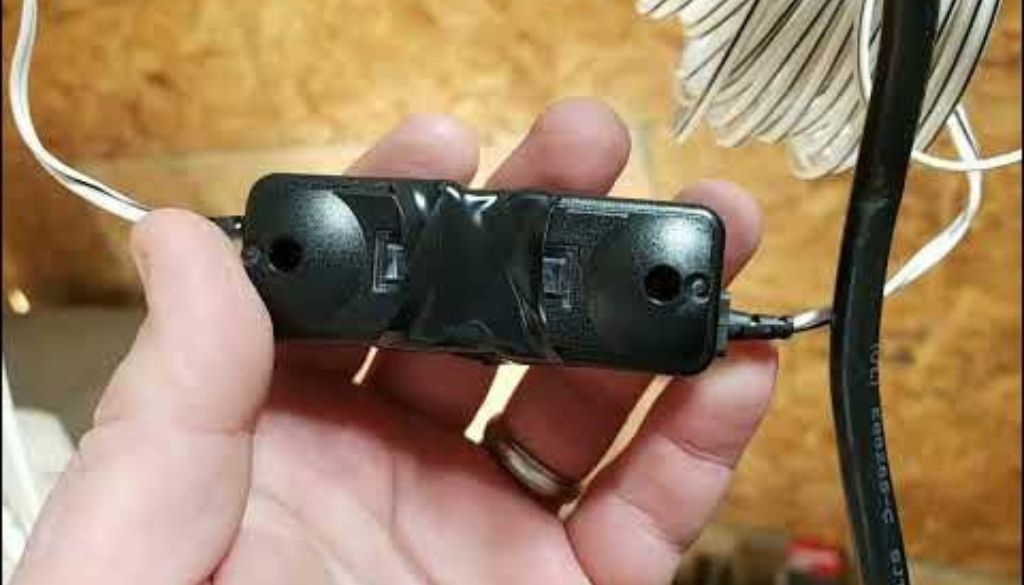
Some online guides suggest disconnecting sensor wires, using reflective tape to trick the beam, or bridging the sensor circuit. These approaches are dangerous and should be avoided. Tampering with the electrical system can damage your opener, create a fire risk, and completely eliminate the safety mechanism designed to protect your family. Any electrical work on garage doo00r systems should be handled by a licensed technician.
Risks and Legal Implications of Bypassing Garage Door Sensors
The risks of operating a garage door without functional sensors are serious and well-documented. A closing garage door exerts significant force, enough to cause severe injury, particularly to children and pets who may not be visible from the wall button or remote position.
Beyond personal safety, sensor bypass creates real financial and legal exposure. Most manufacturer warranties are voided immediately when safety components are tampered with. Home insurance policies in Australia commonly exclude coverage for incidents involving non-compliant garage door systems. If someone is injured by a door operating without sensors, the homeowner could face personal liability.
Australian building codes require all automatic garage doors to include functioning safety sensors. Local councils have the authority to issue fines for non-compliant installations, and insurance assessors routinely check sensor functionality when processing claims.
Bypass Method Comparison: Risk vs Duration
| Method | Risk Level | Recommended Use |
|---|---|---|
| Manual release cord | 🟢 Low | Emergency – until repair |
| Wall button hold | 🟡 Low–Medium | Single-use while supervised |
| Sensor realignment | 🟢 Low | Permanent fix if done correctly |
| Wire disconnection | 🔴 High | Not recommended |
| Reflective tape / mirrors | 🔴 High | Not recommended |
Safer Alternatives to Bypassing Garage Door Sensors
Instead of bypassing your sensors, address the root cause. Most sensor problems have straightforward solutions that restore full safety and functionality.
Start with basic cleaning and maintenance. Wipe both sensor lenses with a dry microfibre cloth to remove dust, dirt, and cobweb buildup. Check that the sensor brackets are secure and properly aligned. Test the door by placing an object in its path to confirm the sensors detect it correctly. Our preventive maintenance guide covers a complete checklist for keeping your entire garage door system in top condition.
If cleaning and realignment don’t resolve the issue, the problem may involve damaged wiring, a faulty sensor unit, or an issue with the opener’s logic board. These are situations where professional diagnosis saves time and prevents further damage.
Consider Upgrading to a Modern Garage Door System
If your opener and sensors are more than 10 to 15 years old, replacement parts may be difficult to source and the system may lack modern safety features. Newer smart garage door openers include Wi-Fi connectivity with app alerts, battery backup systems that work during power outages, enhanced encryption for security, and improved sensor technology that reduces false detections. Upgrading is often more cost-effective than repeatedly repairing an ageing system.
Frequently Asked Questions
Is it legal to bypass garage door sensors in Australia?
No. Australian building codes and safety regulations require functioning sensors on all automatic garage door systems. Bypassing them can result in fines and voids your compliance with national standards.
Can I bypass sensors temporarily during an emergency?
The safest emergency approach is to use the manual release cord to disconnect from the opener and operate the door by hand. On some models, pressing and holding the wall button provides a one-time override. Both are preferable to disconnecting wires.
Does bypassing sensors void my warranty?
In most cases, yes. Manufacturers require all safety components to be operational for warranty coverage to remain valid. Tampering with sensors is typically grounds for warranty cancellation.
How often should I clean my garage door sensors?
Clean your sensor lenses at least once every three months. In dusty environments or areas prone to spiders and insects, monthly cleaning is recommended.
What’s the safest temporary solution if my sensors fail?
Use the emergency release cord to operate the door manually, then book a professional inspection to identify and fix the underlying problem.
When to Call a Professional Garage Door Technician
If basic cleaning and realignment don’t fix your sensor issues, it’s time to call in an expert. Persistent sensor faults often point to wiring problems, component failure, or opener compatibility issues that require professional tools and experience to diagnose safely.
At Impact Doors, we specialise in garage door sensor repairs, replacements, and full system upgrades across the Moreton Bay Region and North Brisbane. Our qualified technicians arrive on time, diagnose the issue quickly, and use quality parts from trusted brands including B&D, Centurion, and Steel-Line. We also offer 24/7 emergency callouts when you need your garage door working now, not next week.
Don’t risk your family’s safety or your insurance coverage with a DIY sensor bypass. Call Impact Doors on (07) 5451 4022 or request a free quote online to book a professional garage door sensor inspection today.
