
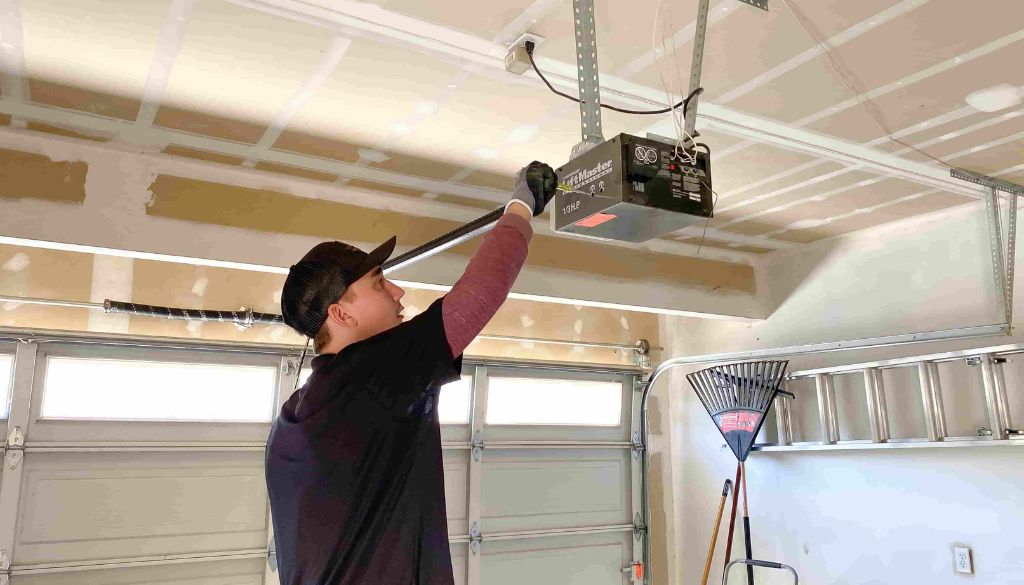
When your garage door opener stops working, your first instinct might be to grab a screwdriver and figure it out yourself. And in many cases, that instinct is right — plenty of common opener problems have simple fixes that any homeowner with basic tools can handle safely. But garage door systems also include components that can cause serious injury if you don’t know what you’re doing.
This guide separates the repairs you can confidently tackle yourself from the ones that genuinely require a professional. You’ll learn how to diagnose common opener faults, which DIY fixes are safe and effective, what the typical costs look like, and exactly when to stop and call a technician.
Can You Really Repair a Garage Door Opener Yourself?
Yes — but only certain parts of it. When we talk about DIY garage door opener repair, we’re talking about the opener unit and its accessories: remotes, sensors, settings, mounting hardware, and lubrication. These are the components homeowners can work on safely with basic tools and a bit of patience.
What falls outside DIY territory are the door’s counterbalance components — springs, cables, and drums. These parts operate under extreme tension and are responsible for supporting the full weight of your garage door. They’re part of the door system, not the opener, and they require professional tools and training. Confusing an opener problem with a spring or cable issue is one of the most common and dangerous mistakes homeowners make. For a broader overview of opener-specific faults, our guide on common garage door opener problems is a useful starting point.
Safety Rules Before You Start Any DIY Repair
Before touching anything on your garage door system, follow these non-negotiable safety steps.
Disconnect power to the opener. Unplug the unit from the ceiling outlet or switch off the circuit breaker. This eliminates the risk of the door activating while you’re working on it. Next, use the emergency release cord (the red handle hanging from the rail) to disconnect the door from the opener. This allows you to test the door independently. With the opener disengaged, manually lift the door to about waist height. A properly balanced door should stay in place on its own. If it slams down or shoots up, you have a spring balance issue — not an opener problem — and that requires a professional.
Never attempt to adjust, remove, or repair torsion springs, extension springs, or lift cables. These components store enough energy to cause severe injury. If your diagnosis points to a spring or cable issue, our article on what to do when a garage door spring breaks explains the immediate safety steps.
Step 1: Diagnose the Problem Correctly
Before you fix anything, figure out what’s actually wrong. Most opener problems fall into a few recognisable patterns.
Signs the Opener Has Power Issues
If the opener doesn’t respond at all — no lights, no sounds, no motor hum — start with the basics. Check that the unit is plugged in and the outlet has power (test with another device). Inspect the circuit breaker. Replace the remote batteries. If the wall-mounted button works but the remote doesn’t, the issue is the remote, not the opener.
Signs the Motor Works but the Door Doesn’t Move
If you hear the motor running or see the chain or belt moving but the door stays still, the problem is in the connection between the opener and the door. The most common cause is a disengaged trolley (emergency release). Other possibilities include a stripped drive gear inside the motor housing or a broken spring that’s left the door too heavy for the opener to lift.
Understanding Beeping or Flashing LED Codes
Most modern openers communicate faults through blinking LED patterns. A certain number of flashes typically corresponds to a specific error code — sensor misalignment, force limit issues, or motor overload. Check your opener’s manual for the code chart. If you’ve lost the manual, most manufacturers publish them online by searching the model number.
DIY Garage Door Opener Repairs You Can Safely Do
These are the fixes that are within reach for most homeowners with basic tools, a ladder, and a bit of care.
Replace Remote Batteries and Reprogram Remotes
Dead remote batteries are the single most common reason an opener “stops working.” Replace them first before diagnosing anything else. If a fresh battery doesn’t fix it, the remote may need reprogramming. Most openers have a “learn” button on the motor unit — press it, then press the remote button within 30 seconds to re-pair them.
Clean and Align Safety Sensors
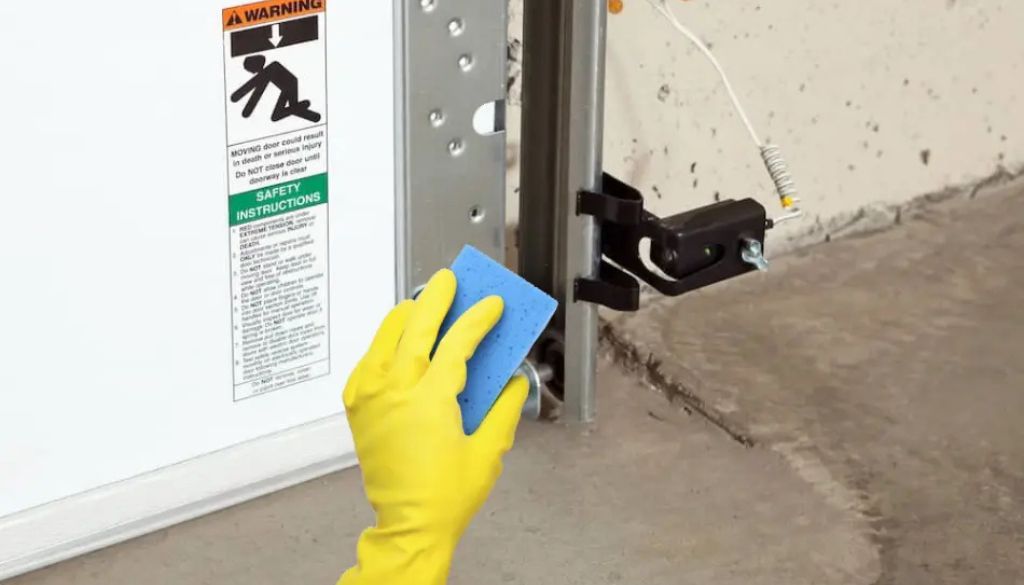
If your door starts to close but immediately reverses, the safety sensors are almost certainly the cause. These infrared sensors sit near the base of the door opening and can be disrupted by dust, cobwebs, misalignment, or even direct sunlight. Wipe both lenses with a dry microfibre cloth and check that the LED indicator lights are steady (not flickering). If a light is out or blinking, gently adjust the sensor bracket until the beam reconnects. For a detailed walkthrough, see our garage door sensor troubleshooting guide.
Adjust Force and Limit Settings
If your door reverses before fully closing, stops short of the floor, or doesn’t open all the way, the force and travel limit settings on your opener may need adjustment. These are controlled by small dials or screws on the back or side of the motor unit. Make small adjustments — a quarter-turn at a time — and test after each change. Our garage door force adjustment guide covers the step-by-step process and what each setting controls.
Tighten Loose Hardware and Mounting Brackets
Garage door openers vibrate every time they run. Over months and years, this vibration loosens the bolts on the mounting bracket, the rail connections, and the door arm attachment. A loose mounting bracket causes the entire opener to shift during operation, which leads to chain misalignment and excessive noise. Grab a socket wrench and check every connection point — tighten anything that moves.
Lubricate Moving Components
Squeaking, grinding, or sluggish operation often comes down to lack of lubrication. Apply a silicone-based or white lithium grease lubricant to the chain or screw drive, the roller stems, hinges, and the torsion spring (coat it, don’t soak it). Avoid using WD-40 as a lubricant — it’s a solvent that actually strips existing lubrication. Proper lubrication every six months prevents premature wear on both the opener and the door hardware.
DIY Repairs You Should NOT Attempt
Certain garage door repairs carry real risk of serious injury or property damage. No amount of YouTube tutorials makes these safe for untrained homeowners.
Spring replacement or adjustment tops the list. Torsion springs can store enough energy to be lethal if they release unexpectedly. Lift cable repairs carry similar dangers — cables are under tension and can whip violently if released incorrectly. Motor, capacitor, or circuit board replacement involves electrical components inside the opener housing and risks shock or further damage if done incorrectly. Track realignment and structural door repairs affect the balance and operation of the entire system and can create dangerous conditions if done improperly.
If your diagnosis points to any of these, stop and call a licensed technician.
Common DIY Mistakes That Make Things Worse
The most damaging mistake homeowners make is increasing the opener’s force setting instead of identifying the real cause of resistance. If the door is hard to move because of a worn spring, broken cable, or misaligned track, turning up the force doesn’t fix the problem — it just forces the motor to work harder against the resistance. This burns out motors, strips gears, and can bend tracks or damage door panels.
Similarly, repeatedly pressing the button when the opener fails to lift the door overheats the motor. Most modern openers have thermal protection that shuts the motor down after overheating, but older units can suffer permanent motor damage. If the opener fails on the first attempt, stop. Diagnose the cause before trying again.
DIY vs Professional Garage Door Opener Repair Costs
| Repair Type | DIY Cost | Professional Cost |
|---|---|---|
| Remote battery replacement | $5 – $15 | N/A |
| Sensor replacement | $20 – $50 | $80 – $150 |
| Drive gear replacement | $15 – $30 (part only) | $150 – $300 |
| Chain tightening/adjustment | Free | $80 – $120 |
| Spring replacement | ❌ Not recommended | $200 – $500 |
| Full opener replacement | $250 – $500 (unit only) | $400 – $800 (installed) |
If your opener is more than 10 to 15 years old and needs motor or gear work, replacement is usually more cost-effective than repair. Newer models include safety features, smart-home connectivity, and battery backup that older units lack.
When to Stop DIY and Call a Professional
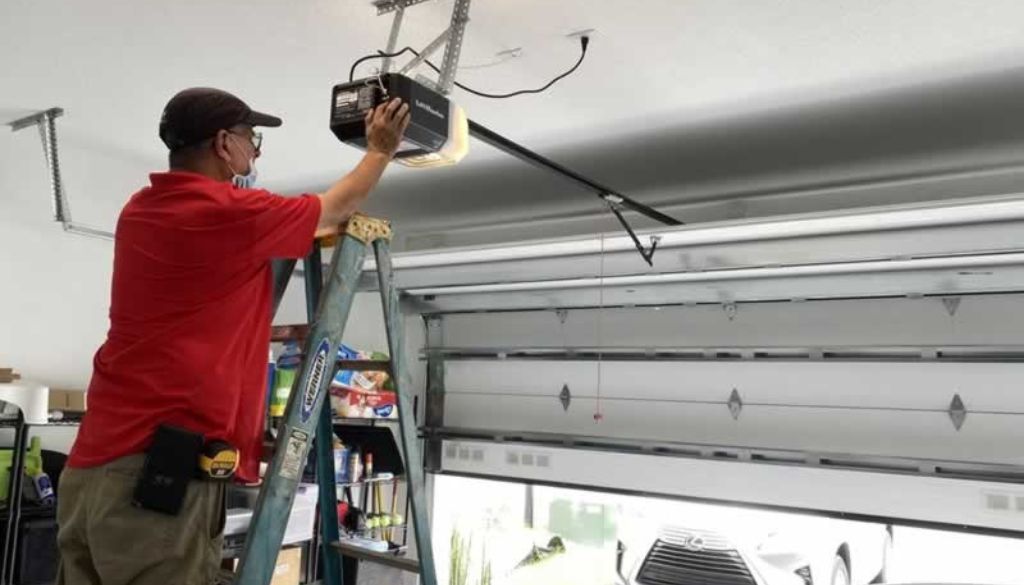
Stop what you’re doing and call a technician if the door slams shut or free-falls when the opener is disengaged, you hear a loud bang followed by the opener failing to lift the door, the motor produces a burning smell or feels hot to the touch, the door shakes, binds, or moves unevenly during operation, or you’ve tried basic fixes and the problem persists.
These symptoms indicate spring failure, cable damage, motor burnout, or structural issues that require professional tools and training to resolve safely.
Preventative Maintenance to Avoid Future Repairs
Most opener failures are preventable with basic routine maintenance. Do a monthly visual inspection of the chain or belt, the mounting bracket, and the sensor alignment. Lubricate all moving components every six months with silicone-based lubricant. Test the door’s balance annually by disconnecting the opener and lifting the door manually — it should hold at waist height without drifting. Replace remote batteries every 12 months as a precaution. Our preventive maintenance checklist covers a full seasonal routine to keep your entire garage door system running smoothly.
Frequently Asked Questions
Is DIY garage door opener repair safe?
Yes, for the repairs covered in this guide — remotes, sensors, force settings, hardware tightening, and lubrication. Spring, cable, and motor repairs are not safe for DIY and should always be handled by a qualified technician.
Why does my opener run but the door won’t move?
The most common cause is a disengaged emergency release trolley. Other causes include a stripped drive gear or a broken spring that’s made the door too heavy for the motor.
How long do garage door openers last?
Most quality openers last 10 to 15 years with regular maintenance. Chain-drive models tend to be the most durable, while belt-drive models offer quieter operation with a similar lifespan.
Can adjusting the force setting damage my opener?
Only if you increase force to compensate for a mechanical problem like a worn spring or misaligned track. Force adjustments should only be made after confirming the door moves freely when disconnected from the opener.
How much does garage door opener repair usually cost?
Simple DIY fixes cost under $50. Professional repairs for gears, sensors, or wiring typically run $100 to $350. Full opener replacement, including installation, ranges from $400 to $800 depending on the model.
When You Need a Professional, Impact Doors Is Here to Help
DIY repair is great for the small stuff, but when the problem goes beyond remotes and sensors, you need a technician who knows what they’re doing. At Impact Doors, we handle opener diagnostics, gear replacements, motor failures, spring repairs, and complete system upgrades across the Moreton Bay Region and North Brisbane. Our qualified technicians use quality parts from brands like B&D, Centurion, and Steel-Line, and we offer same-day emergency callouts when you need your garage door working now.
Tried the DIY fixes and still stuck? Call Impact Doors on (07) 5451 4022 or request a free on-site quote — we’ll diagnose it properly and get your garage door back on track.
