
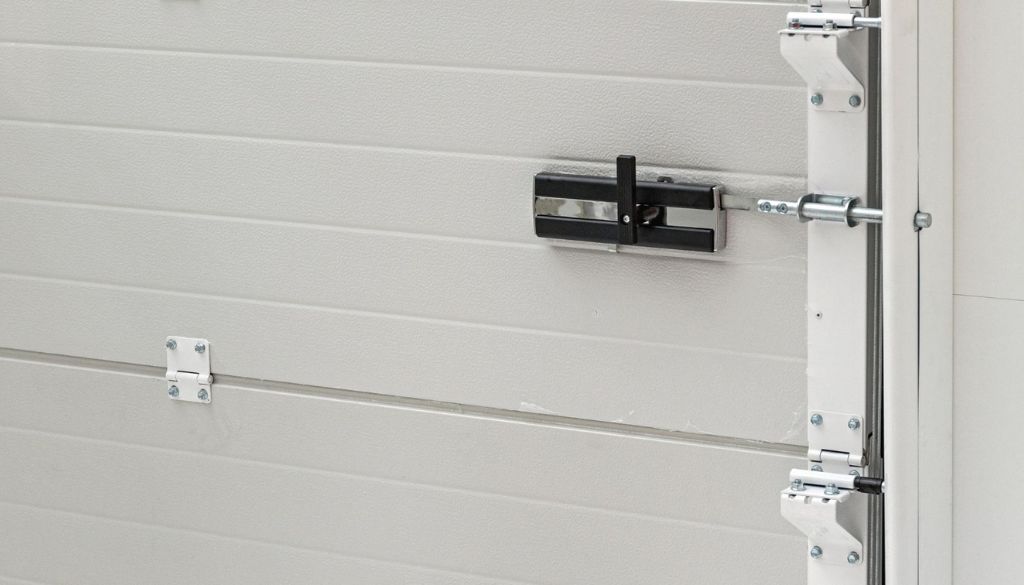
Your garage door is one of the most common entry points targeted by opportunistic burglars — and one of the most overlooked when it comes to security upgrades. A garage door lock bar is one of the simplest, most cost-effective ways to add a physical barrier that makes forced entry significantly harder.
Whether you have a roller door, sectional panel door, or a tilt door, installing a lock bar or slide bolt can be completed in an afternoon with basic tools and a little patience. This guide walks you through the different lock bar types, what tools you need, and the full step-by-step installation process.
If you run into complications or simply prefer a professional finish, the team at Impact Doors services Moreton Bay and North Brisbane and is available 24/7 for repairs and installations.
What Is a Garage Door Lock Bar?
A garage door lock bar — sometimes called a locking bar, slide lock, or security bar — is a horizontal metal rod that anchors your garage door to its tracks when engaged. When you turn the key or slide the bolt, the bars extend outward into slots or holes in the vertical tracks, preventing the door from being lifted or slid open from the outside.
Lock bars are most commonly used on roller doors and sectional garage doors, and they work independently of any automatic opener system. This makes them an excellent manual backup for homes with remote-controlled doors, and a primary security solution for properties with manual-only doors.
They are also distinct from padlock security bars (which anchor externally to the ground) and from T-handle locks (which are keyed handles mounted on the door face). Understanding the differences helps you choose the right system before you buy.
Types of Garage Door Locking Systems
Before purchasing a lock bar, it’s worth understanding how each locking type works so you choose the right solution for your door style.
Standard Roller Door Lock Bars
The most common type for roller doors. A key-operated cylinder is mounted through the door panel, and two horizontal bars extend left and right into holes drilled in the tracks. When locked, the bars make it physically impossible to lift the door. These are the focus of this installation guide.
Shoot Bolt Locks
Shoot bolt locks provide extra security by anchoring the door through the track itself rather than into a hole beside it. They can deploy one bolt vertically (into the floor channel) or two bolts (top and bottom). Shoot bolts are often used as a secondary lock in commercial or high-security applications.
T-Handle Locks
Common on tilt doors and some older sectional doors, T-handle locks are surface-mounted on the door face and are key-operated. They engage a simple throw bolt into the frame. While convenient, they generally offer less resistance than a full lock bar system.
Padlock Security Bars
Padlock security bars (sometimes called garage door defenders) are external locking systems that anchor the door to the ground or a floor-mounted bracket with a padlock. They are an excellent supplementary layer for roller doors and require no drilling into the door itself.
Lock Type Comparison
| Lock Type | Best For | DIY Friendly? |
|---|---|---|
| Lock bar (slide bolt) | Roller & sectional doors | Yes |
| T-handle lock | Tilt doors | Yes |
| Shoot bolt | High-security applications | Moderate |
| Padlock security bar | External/additional security | Yes |
Tools Needed for Lock Bar Installation
You won’t need any specialist trade equipment for a standard lock bar installation. Gather the following before you start:
- Power drill with metal drill bits
- Screwdrivers (flathead and Phillips)
- Socket set
- Measuring tape
- Pencil or marker for marking drill points
- Spirit level
- Safety gloves and glasses
Most lock bar kits come with the lock cylinder, two bars, mounting plates, and the required screws. Check your kit before starting so you know what hardware is included.
For related maintenance and upgrades, our guide on garage door roller replacement is a good companion resource if your rollers are worn or noisy.
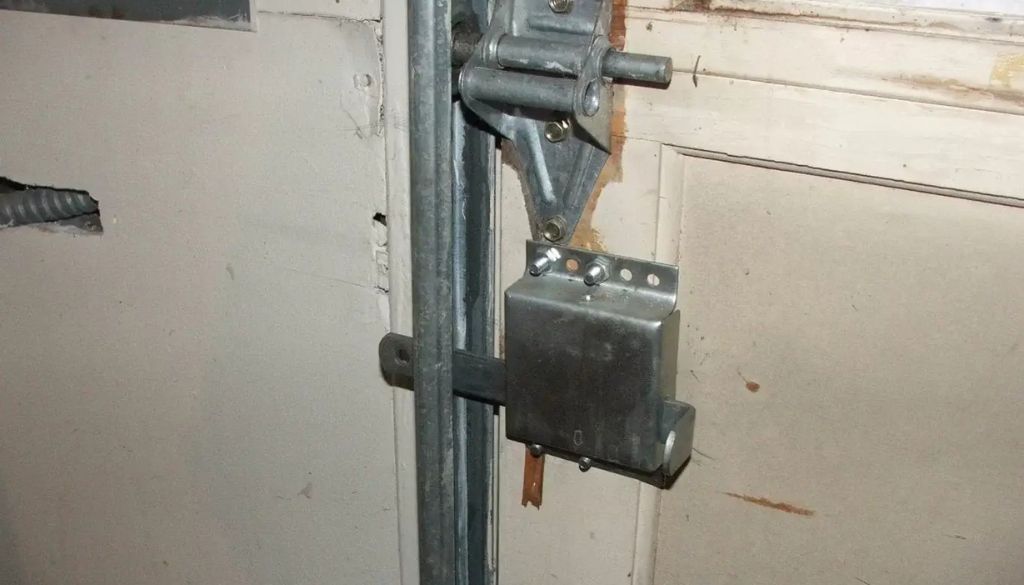
Step-by-Step Garage Door Lock Bar Installation
The following steps apply to a standard key-cylinder lock bar on a roller or sectional garage door. Always read the instructions included with your specific lock kit, as hole sizes and bracket positions can vary by manufacturer.
Step 1: Choose the Lock Position
Lock bars are typically mounted at the mid-height point of the door — roughly waist level — where they can extend into the tracks most effectively. Open the door slightly and look at the vertical tracks on both sides to identify where the bar guides will align. Ensure there is nothing obstructing the track on either side at that height.
Step 2: Mark the Mounting Holes
With the door in the closed position, hold the lock mechanism against the door panel at your chosen height. Use a pencil to mark the drill points for the mounting screws. Double-check that the marks are level using your spirit level — an unlevel installation can cause the bars to bind in the tracks.
Step 3: Drill Mounting Holes
Using the appropriate drill bit for your door material (metal doors typically require a metal-rated bit), drill pilot holes at each marked point. Work slowly and steadily to avoid cracking the door panel. If your door has an inner skin, ensure you are not drilling through any internal reinforcement bars.
Step 4: Install the Lock Cylinder
Insert the key cylinder through the pre-drilled or punched hole on the door face (most kits include a centre hole for the cylinder). From inside the garage, attach the backing plate and tighten the retaining nut or bolts using your socket set. The cylinder should sit flush on the outside face with no rotation when the backing plate is secured.
Step 5: Attach the Lock Bars
Connect the two horizontal bars to the internal locking mechanism. Most kits use a simple clip or bolt connection at the centre. With the lock in the unlocked position, slide the bar ends toward the tracks on each side and confirm they sit comfortably inside the bar guides or brackets you have mounted. Trim the bars with a hacksaw if your kit requires sizing to your door width.
Step 6: Test the Locking Mechanism
Turn the key to engage the lock. The bars should slide outward simultaneously and extend into the holes or slots in the vertical tracks. Try to lift or push the door — it should not move. Disengage the lock and confirm the door operates normally. Test the key from both sides if your cylinder has an exterior key function.
Common Problems During Lock Bar Installation
Lock Bars Misaligned
If the bars don’t reach the track holes, the mounting bracket may be too far from the track. Re-mark and reposition the bracket slightly outward toward the tracks, then re-drill. Always dry-fit the bars before finalising the bracket position.
Lock Mechanism Is Loose
This usually means the backing plate screws weren’t fully tightened, or the door panel is too thin for the standard hardware. Use larger washers to spread the load, or apply a thread-locking compound to prevent vibration loosening the bolts over time.
Lock Won’t Turn
New lock cylinders can be stiff. Apply a small amount of graphite lubricant or dry PTFE spray to the cylinder. Avoid oil-based lubricants, which attract dust and can cause the lock to seize over time.
Maintenance Tips for Garage Door Locks
A lock bar that isn’t maintained can seize, corrode, or fail to engage. Follow these simple steps every six months:
- Lubricate the lock cylinder with graphite lubricant or PTFE spray
- Inspect the bars for rust, corrosion, or bending
- Tighten any loose mounting screws and brackets
- Clear dirt and debris from the bar guides and track slots
- Test the key mechanism from both inside and outside the garage
While you’re inspecting your lock hardware, it’s also a good time to check your door sensors. Our article on why your garage door sensor light turns yellow explains what common sensor issues mean and how to address them.
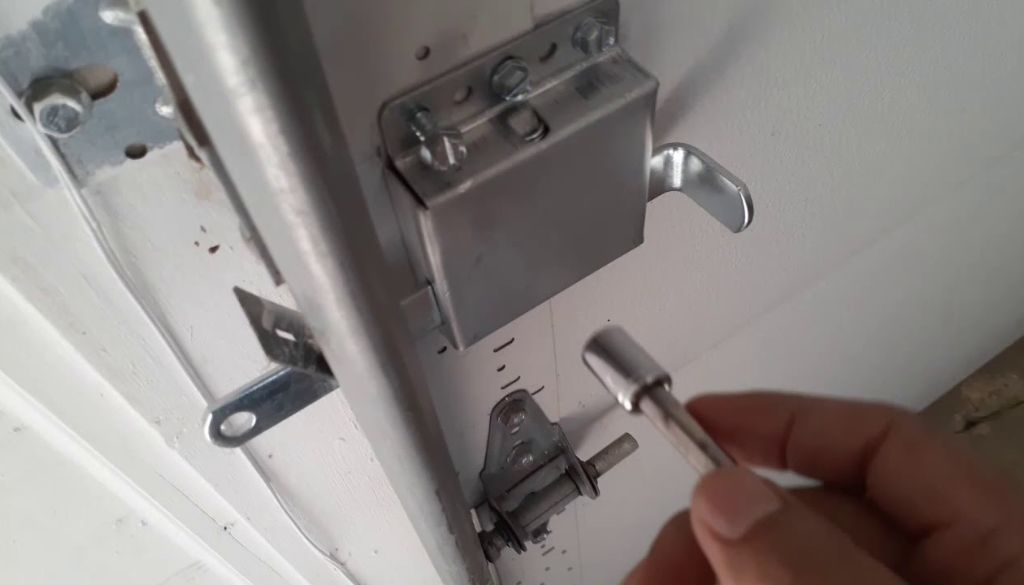
When to Call a Professional
DIY lock bar installation is well within the reach of most homeowners, but there are situations where professional help is the smarter call:
- The lock or cylinder needs replacing and existing hardware is corroded or seized
- You want to integrate a smart lock or electronic access system with your existing door
- The door itself is damaged, bent, or off-track, affecting how the lock bars engage
- You’ve experienced a break-in attempt and want a security assessment first
- Emergency lockout — you cannot open or close the door
If your door is also making unusual noises or struggling to operate smoothly, it may be time to look at your opener system. Our comparison of Overhead Door vs Chamberlain openers can help you decide whether an upgrade is worthwhile.
Impact Doors operates across Moreton Bay and North Brisbane with 24/7 emergency availability. Owner Jarred Turner and his team provide on-site quotes with no surprises. Call 0431 625 191 or enquire online to book a lock inspection or installation.
Frequently Asked Questions
Can I install a garage door lock bar myself?
Yes. Most standard lock bar kits are designed for DIY installation and require only basic hand tools and a drill. The process typically takes one to two hours for a first-time installer.
Are lock bars secure enough on their own?
Lock bars are highly effective at preventing manual forced entry — when the bars are engaged in the tracks, the door physically cannot be lifted. For maximum security, combine a lock bar with a padlock security defender and ensure your automatic opener’s manual release is also secured.
Do automatic garage doors need lock bars?
Automatic doors already have a motor-driven locking function, but a manual lock bar provides an additional layer of security when the power is out or the opener is bypassed. Many homeowners install both. For tips on choosing the right opener, see our guide on the best garage door rollers and related hardware.
Where exactly should a garage door lock bar be installed?
Mid-section of the door — roughly 900mm to 1,100mm from the ground — is the standard position. This height gives the bars the best leverage against the tracks. Your lock kit instructions may specify an exact height based on the door width.
What should I do if my garage door spring breaks after installing a lock?
A broken spring is a separate issue unrelated to the lock bar, but it must be addressed immediately as it affects the balance and operation of the door. Do not attempt to manually force the door open with a broken spring. Our guide on garage door spring repair explains when springs need professional replacement.
Need a Professional Lock Bar Installation?
Impact Doors services Moreton Bay and North Brisbane with 5-star rated garage door installations, repairs, and security upgrades. Available 24/7 for emergency callouts and on-site quotes.
📞 0431 625 191 | 🌐 impactdoors.net.au | 📍 Moreton Bay & North Brisbane
