
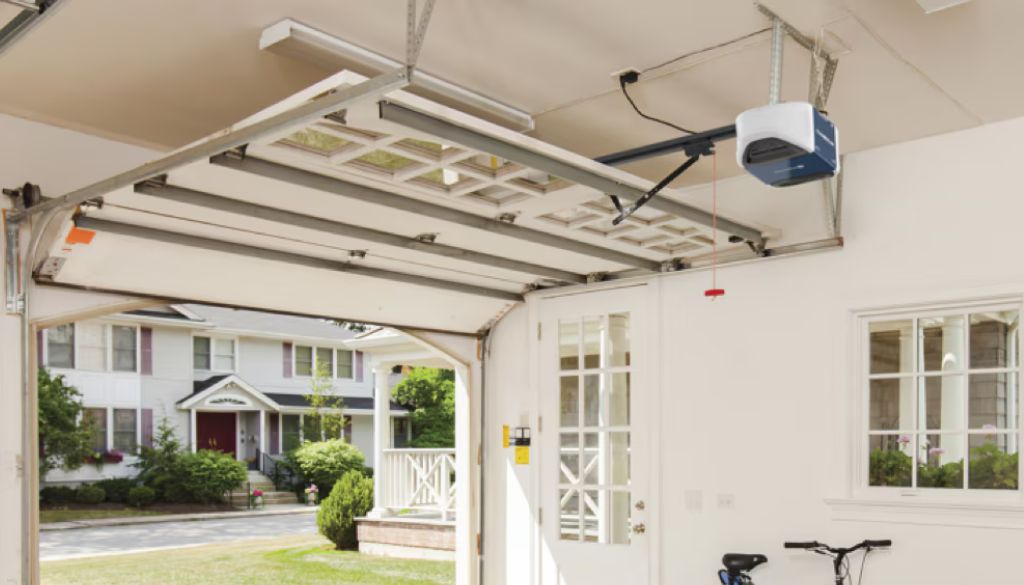
If you’ve ever tried to install a standard garage door opener and run out of room before you’ve even started, you’re not alone. Low-ceiling garages are a common challenge for homeowners across Moreton Bay, North Brisbane, and beyond — and the wrong opener choice can leave you with a system that simply doesn’t fit. If your garage has limited overhead clearance, not all of the openers above will be suitable — read our dedicated guide to finding the right garage door opener for low ceiling garages before making your final decision.
The good news? A garage door opener for low ceiling applications doesn’t mean compromising on performance, safety, or smart features. Modern opener technology has evolved to handle even the tightest headroom conditions. This guide walks you through everything you need to know — from what qualifies as a low-ceiling garage to the best opener types, measurement tips, and why professional installation matters.
At Impact Doors, we’ve helped hundreds of homeowners across Queensland find smart, space-efficient garage door solutions. Owner Jarred Turner and the Impact Doors team bring hands-on expertise to every job, with a 5.0-star reputation built on same-day service and quality installations.
What Is a Low-Ceiling Garage?
A garage is classified as low-headroom when the space between the top of your door opening and the ceiling is less than the minimum required for a standard garage door opener system.
Standard garage door openers typically require 12 to 18 inches (300–460mm) of overhead clearance. If your ceiling is below this threshold, your options with conventional rail-mounted openers are limited — and forcing a standard unit into an undersized space is a recipe for damaged hardware and unsafe operation.
Low headroom is particularly common in:
- Older Queensland homes and heritage properties
- Detached garages and granny flats
- Garages with exposed beams, ductwork, or storage racks near the ceiling
- Properties where the original garage was converted or retro-fitted
Even a small difference in clearance — as little as 50mm — can make a standard opener physically impossible to install. That’s why understanding your exact measurements before purchasing any opener is critical.
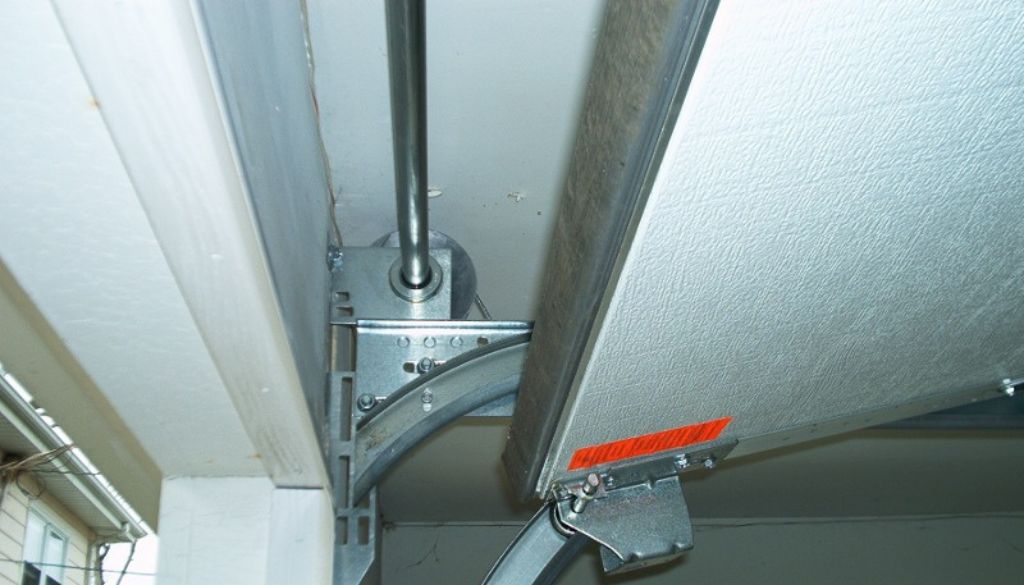
How to Measure Your Available Headroom
Before choosing an opener, take accurate measurements. Follow these steps:
- Open your garage door fully. The door should be in the fully raised position.
- Measure from the top of the highest door panel to the ceiling. This is your headroom clearance.
- Note any obstructions — beams, pipes, light fittings, or storage tracks can all reduce usable clearance.
- Measure side clearance too — some low-headroom systems require extra room on the sides of the door frame.
Pro Tip from Impact Doors: If you’re unsure about your measurements, call us on 0431 625 191 for a free on-site assessment. Getting this wrong can mean buying the wrong opener — and a second trip to the hardware store.
5 Best Garage Door Opener Options for Low Ceilings
1. Wall-Mounted (Jackshaft) Opener — Best Overall for Low Headroom
A wall-mounted or jackshaft opener is the top recommendation for garages with severely restricted overhead space. Instead of hanging from the ceiling on a rail, it mounts directly to the wall beside the garage door and drives the torsion bar directly.
Key advantages include:
- Zero ceiling space required — the opener sits beside the door, not above it
- Quieter operation than chain-drive rail openers
- Frees up ceiling space for storage, lighting, or additional height clearance
- Modern models include Wi-Fi connectivity and smart home integration
Jackshaft openers are compatible with most single-piece and sectional garage doors and work especially well with torsion spring systems.
2. Low-Profile Rail Opener — Best for Minor Headroom Restrictions
If your ceiling clearance is tight but not critical, a low-profile or compact rail opener offers a ceiling-mounted solution with a slimmer motor unit and a shorter, more compact rail.
Benefits include:
- Compact motor and rail system requires less vertical space than standard units
- Smooth and quiet operation — particularly belt-drive and direct-drive models
- Compatible with most modern sectional door systems
- Available with smart features including app control and battery backup
3. Low-Headroom Track System — Hardware-Based Solution
Sometimes the solution isn’t the opener itself but the track system it operates with. Low-headroom horizontal tracks use a dual-track configuration that guides the door panels with less vertical travel near the top of the opening.
This approach:
- Works by allowing the top panel to travel back along a lower arc
- Is often combined with a compact opener for maximum efficiency
- Can be retrofitted to existing door systems in many cases
- Requires precise professional installation — not a DIY project
4. Rear-Mounted Torsion Spring Configuration
For garages where even low-headroom tracks aren’t enough, a rear-mounted torsion spring system shifts the spring hardware toward the back of the horizontal track instead of sitting directly above the door opening.
This configuration:
- Recovers several centimetres of critical headroom near the door opening
- Maintains full spring tension and door counterbalance performance
- Is often required in combination with a jackshaft opener
- Must be installed by a licensed professional — torsion springs are under significant tension
5. Roller Door with Compact Motor — Best for Extremely Tight Spaces
If your ceiling is particularly low and you’re open to replacing the door itself, a roller garage door paired with a compact motor offers the smallest possible overhead footprint. Roller doors coil into a compact housing directly above the opening — no horizontal track required.
Why it works:
- The coil housing typically requires as little as 200–250mm of overhead space
- Available in insulated and non-insulated panel variants
- Compact motor mounts within or beside the coil housing
- Excellent option for garages where every centimetre counts
Comparing Low-Ceiling Opener Types at a Glance
| Opener Type | Headroom Needed | Best For | Smart Features? |
|---|---|---|---|
| Jackshaft / Wall-Mounted | None (wall-mounted) | Severely limited ceilings | Yes |
| Low-Profile Rail | 150–200mm | Minor restrictions | Yes |
| Low-Headroom Track System | 200–250mm | Existing door retrofits | Yes (with opener) |
| Rear-Mounted Torsion Spring | Varies | Extreme headroom recovery | No (spring only) |
| Roller Door + Motor | 200–250mm | Maximum space saving | Yes |
Additional Hardware Solutions for Low-Ceiling Garages
Beyond choosing the right opener type, a few supplementary modifications can make a significant difference in tight spaces:
Low-Profile Brackets, Rollers & Hinges Standard door hardware often adds height to the top panel path. Swapping to low-profile brackets and slim rollers can reclaim 20–40mm of critical clearance — sometimes enough to make a standard opener viable.
Compact Sensors & Wall Controls Modern openers use slim-profile safety sensors that fit easily in tight frames. Replacing older bulky sensors with updated hardware can improve both clearance and reliability.
Custom-Designed Solutions If your garage has truly unusual dimensions — think heritage timber frames, built-in storage tracks, or structural beams close to the door — a custom-designed solution may be the only path forward. Impact Doors provides on-site assessments for complex installations across Moreton Bay and North Brisbane. Call 0431 625 191 to discuss your specific situation with Jarred and the team.
Why Professional Installation Matters for Low-Ceiling Openers
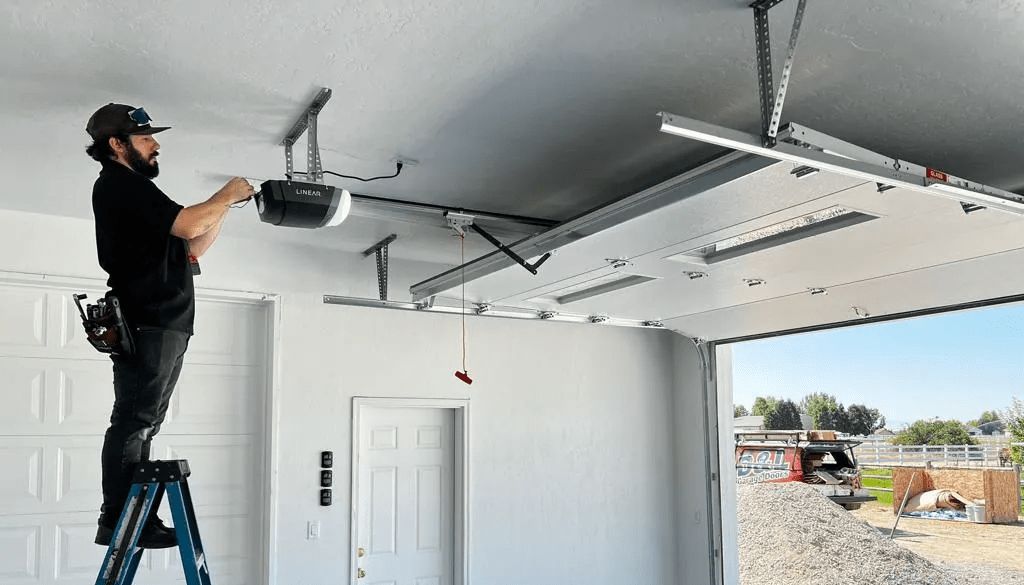
Low-headroom installations aren’t a job for the average weekend DIYer. The combination of precise measurements, modified hardware, and — in many cases — torsion spring adjustment means that professional installation is strongly recommended.
Here’s what can go wrong with DIY low-ceiling opener installation:
- Incorrect headroom assessment leads to purchasing the wrong opener
- Improper track alignment causes door binding, noise, or premature wear
- Torsion spring errors — one of the most dangerous situations in garage door servicing
- Opener wiring and sensor placement errors that trigger safety reversals or full opener failure
Impact Doors technicians bring the tools, the experience, and the 5.0-star reputation to get it right the first time. With same-day availability and emergency call-outs across Queensland, you won’t be waiting around.
Benefits of Getting the Right Opener for Your Low-Ceiling Garage
When the correct system is selected and properly installed, the advantages are significant:
- Maximised space: A jackshaft or roller system can recover ceiling space for storage, workshop use, or improved lighting.
- Better performance: Purpose-built low-headroom openers operate more smoothly and quietly than a standard opener forced into a tight fit.
- Extended hardware life: Correct clearance means tracks, rollers, and panels aren’t under undue stress.
- Safety: Properly installed safety sensors and auto-reverse systems function correctly when the opener is the right fit.
- Smart home compatibility: Modern jackshaft and compact openers include Wi-Fi connectivity, app control, and compatibility with platforms like Google Home and Amazon Alexa.
Brands Impact Doors Works With
Impact Doors is experienced with leading Australian and international garage door brands including B&D, Best Doors, Stoddart, Centurion, Steel-Line, and Dynamic. Whether your garage door is a decade old or newly installed, our technicians are familiar with the hardware compatibility requirements for each brand’s low-headroom configurations.
Frequently Asked Questions
How much headroom do I need for a garage door opener?
Standard rail-mounted openers require 12 to 18 inches (approximately 300–460mm) of headroom above the top of the door. If your clearance is less than this, you’ll need a low-profile, jackshaft, or roller-based solution.
Can I install a garage door opener myself in a low-ceiling garage?
While it’s possible for experienced DIYers to install some compact openers, low-ceiling installations often involve modified tracks, torsion spring adjustment, and precise alignment. For safety and warranty reasons, professional installation by a qualified technician is strongly recommended.
What is the best garage door opener for a garage with no ceiling clearance?
The wall-mounted jackshaft opener is widely regarded as the best solution for garages with virtually no overhead space. It mounts beside the door rather than overhead, requiring no rail or ceiling track at all.
Does a low-ceiling opener cost more?
Jackshaft openers and roller door systems do typically carry a higher upfront cost than standard rail openers. However, the improved functionality, quieter operation, and space recovery often make them the more cost-effective long-term choice.
Does Impact Doors service my area?
Impact Doors serves homeowners and businesses across Moreton Bay and North Brisbane, including suburbs such as Burpengary, Narangba, Caboolture, North Lakes, and surrounding areas. Call 0431 625 191 to confirm availability in your suburb.
Ready to Solve Your Low-Ceiling Garage Door Problem?
Whether you’re dealing with a converted garage, an older property with tight overhead clearance, or simply trying to free up ceiling space, Impact Doors has the solution. Owner Jarred Turner and the team offer free on-site assessments, same-day service, and a 5.0-star track record across Queensland.
Call us today on 0431 625 191 or visit https://impactdoors.net.au/garage-door-opener/low-ceiling-opener to learn more about our low-ceiling garage door opener solutions.
