
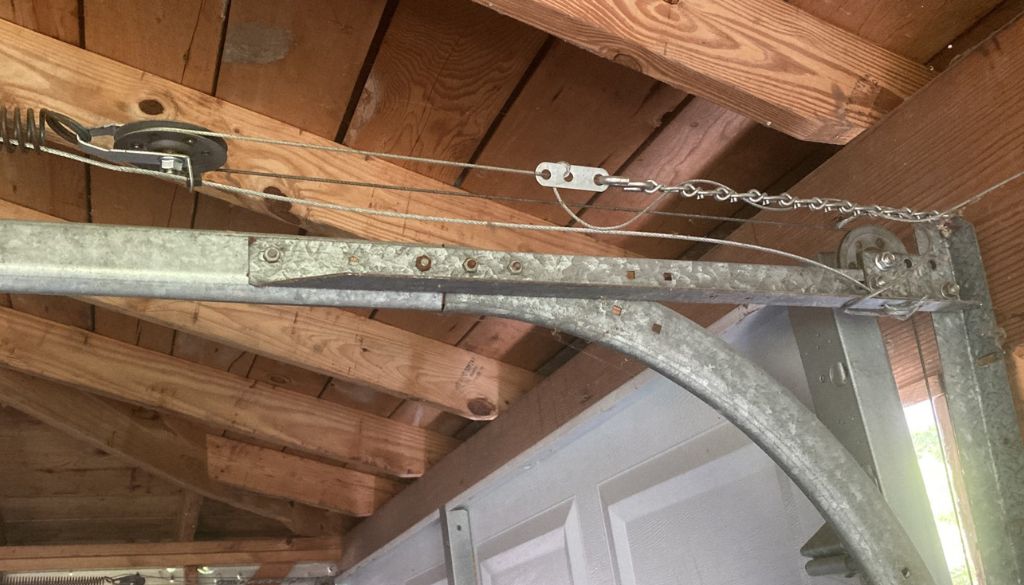
When your garage door starts making grinding noises or moving unevenly, worn pulleys are often the culprit. Pulleys play a crucial role in extension spring garage door systems, helping to lift and lower your door smoothly while distributing weight evenly across cables and springs. Understanding when and how to replace these components can save you time, money, and prevent potential safety hazards. Once your pulleys are replaced and the door is moving freely again, it’s worth reviewing the rest of your door hardware — our step-by-step garage door lock bar installation guide shows how to add a manual security lock while you already have the door in a maintenance mindset.
This comprehensive guide will walk you through the pulley replacement process, from identifying warning signs to completing the installation safely. Whether you’re a confident DIYer or trying to determine if you need professional help, you’ll find the information you need to make the right decision for your garage door system. If your pulley system keeps failing prematurely, the cause may not be the pulley itself — pressure from a worn door frame can throw the entire system out of balance and accelerate component wear.
What Does a Garage Door Pulley Do?
Garage door pulleys are small but mighty components that work in tandem with your extension spring system. These wheel-shaped hardware pieces guide the cables that connect to your door, ensuring smooth and balanced movement every time you open or close your garage door.
Function in Extension Spring Systems
In extension spring systems (the long springs that run parallel to your door tracks), pulleys serve as the pivot points for your garage door cables. As the springs stretch and contract, the cables move through the pulley wheels, translating spring energy into controlled vertical movement of your door.
Weight Distribution Role
Pulleys reduce strain on both springs and cables by distributing your door’s weight evenly. This balanced distribution is essential for proper garage door balance, preventing premature wear on one side and ensuring your door doesn’t bind or operate unevenly.
Types of Pulleys
There are two main types of pulleys in garage door systems:
- Stationary pulleys: Fixed to the door track or frame, these guide the cable as it moves.
- Movable pulleys: Attached to the extension spring itself, these move as the spring extends and contracts.
Signs You Need a Garage Door Pulley Replacement
Recognizing the warning signs of pulley failure early can prevent more extensive damage to your garage door system. Here are the key indicators that your pulleys need attention:
Grinding or Squealing Noises
If your garage door sounds like it’s complaining every time it moves, worn pulley bearings are likely the cause. As bearings deteriorate, you’ll hear metal-on-metal scraping or high-pitched squealing. While some noise is normal, pronounced grinding indicates that the pulley wheel isn’t rotating smoothly on its axle.
Jerky or Uneven Door Movement
A properly functioning garage door should move smoothly and evenly on both sides. When pulleys wear out, you might notice:
- The door binding or sticking at certain points
- One side rising faster than the other
- Excessive strain on cables and springs
- Difficulty maintaining proper door alignment
Visible Wear or Damage
During routine maintenance inspections, look for these visual cues:
- Cracked or chipped pulley wheels
- Frayed cables sitting in the pulley groove
- Rust or corrosion on the pulley bracket
- Cables jumping out of the pulley groove
Tools and Materials You’ll Need
Before starting your pulley replacement project, gather these essential tools and materials:
- Replacement pulleys (ensure they’re compatible with your specific garage door system)
- Adjustable wrench or socket set
- Locking pliers (Vice grips)
- C-clamps
- Sturdy ladder
- Work gloves and safety glasses
- High-quality silicone-based lubricant
- Screwdriver set
- Replacement cables (if your existing cables show signs of fraying)
Safety First: Releasing Tension Properly
Safety cannot be overemphasized when working with garage door systems. Understanding your spring type is the critical first step before attempting any repair.
Extension Spring Systems (DIY-Friendly with Caution)
If you have extension springs (the long springs running alongside your door tracks), pulley replacement is more manageable for confident DIYers. To safely release tension:
- Raise the door fully to its highest position
- Clamp the door securely to the tracks using C-clamps
- Disconnect the garage door opener by pulling the emergency release cord
- Double-check that the door cannot move before proceeding
Torsion Spring Systems (Professional Recommended)
For doors with torsion springs (the large coiled springs mounted above the door), pulley work becomes significantly more dangerous due to extreme tension. These systems require specialized winding bars and expertise. Improper handling can cause severe injury from spring recoil. We strongly recommend calling a professional for torsion spring system repairs.
Step-by-Step Garage Door Pulley Replacement
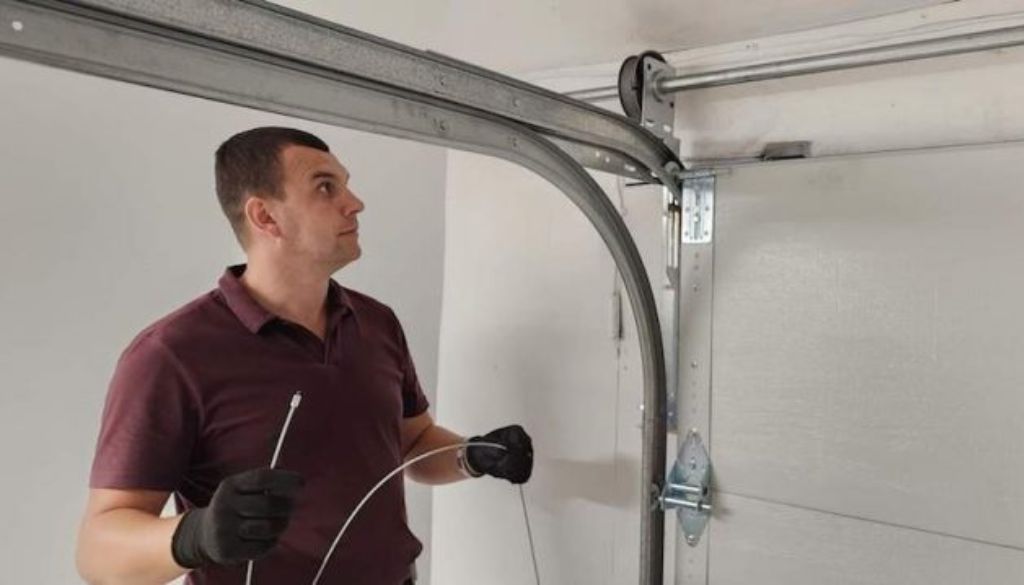
Follow these detailed steps to replace your garage door pulleys safely and effectively:
Step 1: Disconnect Power
Unplug your garage door opener from its electrical outlet. This prevents accidental activation while you’re working. Secure the door in the fully open position using C-clamps on both tracks below the bottom rollers.
Step 2: Identify Pulley Type
Determine whether you’re working with stationary or movable pulleys. Stationary pulleys are fixed to the track or door frame, while movable pulleys attach directly to the extension spring. Inspect both sides of your door, as some systems use different pulley types on each side.
Step 3: Remove the Old Pulley
Using your wrench or socket set, carefully loosen the bolts or pins securing the pulley to its bracket. As you work, pay close attention to how the cable routes through the pulley groove. Taking a photo with your phone can help ensure proper reinstallation later. Disconnect the cable from the pulley carefully—it may still have some residual tension.
Step 4: Inspect Related Components
With the pulley removed, thoroughly inspect related components:
- Check cables for fraying or damaged strands—if you find significant wear, consider replacing cables at the same time
- Inspect mounting brackets for cracks or stress fractures
- Examine springs and cable drums for signs of wear
Step 5: Install the New Pulley
Position the new pulley in the bracket, ensuring proper alignment with the cable path. Secure it firmly with bolts or pins, but avoid over-tightening, which can crack the pulley wheel. Route the cable through the pulley groove, making certain it sits properly in the channel without any twisting or binding.
Step 6: Reapply Spring Tension
Carefully remove the C-clamps from the tracks, allowing the door to settle. Verify that tension is balanced on both sides—the door should stay in place when manually lifted to hip height.
Step 7: Test the Door
Before reconnecting the opener, manually open and close the door several times. Listen for any abnormal sounds and watch for smooth, even movement on both sides. The door should glide effortlessly without binding or jerking. Once you’ve confirmed proper operation, reconnect the garage door opener and test the automatic function.
Step 8: Lubricate and Final Inspection
Apply high-quality silicone-based lubricant to the pulley bearings and cable. This reduces friction and extends component life. Perform a final inspection of all hardware, tightening any loose bolts and confirming smooth operation through several complete cycles.
Common Mistakes to Avoid
Even experienced DIYers can make these errors during pulley replacement:
- Skipping the tension release step: Always secure the door before working on pulleys to prevent serious injury
- Using incompatible pulleys: Replacement pulleys must match your door’s weight and cable size specifications
- Replacing pulleys but not worn cables: If cables show fraying, replace them simultaneously to avoid another breakdown soon
- Incorrect cable routing: Double-check that cables follow the proper path through pulleys and around drums
- Over-tightening brackets: Excessive torque can crack plastic pulleys or strip bolt threads
Should You Replace One Pulley or Both?
When one pulley shows wear, its counterpart on the same side often isn’t far behind. Consider replacing both pulleys on the affected side simultaneously. This approach prevents the inconvenience of another breakdown in the near future and ensures balanced performance.
Garage door pulleys typically last 5-10 years depending on usage frequency and maintenance practices. If your door sees heavy daily use or operates in harsh environmental conditions (extreme temperatures, high humidity, coastal salt air), consider replacing cables and pulleys together as part of your preventative maintenance routine.
When to Call a Professional
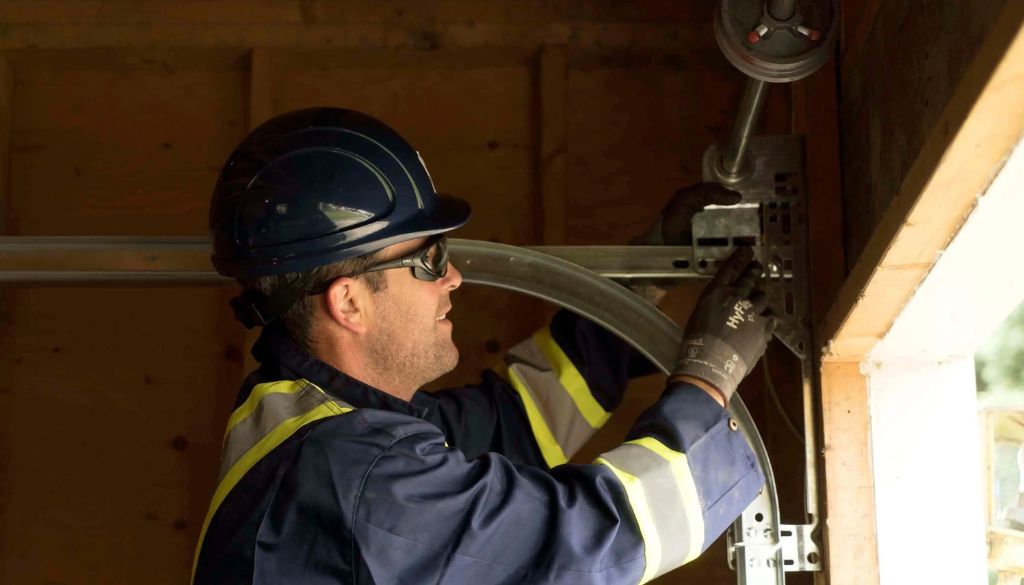
While pulley replacement in extension spring systems is a manageable DIY project for many homeowners, certain situations absolutely require professional expertise:
- Torsion spring systems: The extreme tension in these springs poses serious injury risks—this is not a DIY project
- Significant cable damage: If cables are severely frayed, broken, or have jumped the drum, professional service is warranted
- Bent or damaged brackets: Structural issues with mounting hardware require expert assessment
- Door off-track: A derailed door indicates multiple component failures needing comprehensive repair
- Uncertainty about tension adjustment: If you’re not confident in safely releasing and reapplying spring tension, don’t risk it
At Impact Doors, our experienced technicians handle pulley replacements and complete garage door repairs throughout Moreton Bay and North Brisbane. We work with all major brands including B&D, Best Doors, Stoddart, Centurion, Steel-Line, and Dynamic. Our 24/7 emergency service means we’re available when you need us most.
Call (07) 5451 4022 for a free quote or to schedule same-day service. Located at 427 Uhlmann Road, Burpengary East QLD 4505, we pride ourselves on punctual, professional service with quality materials.
Preventing Future Pulley Failures
Proactive maintenance significantly extends the life of your garage door pulleys and prevents unexpected breakdowns:
- Bi-annual inspections: Examine pulleys, cables, and springs every six months for wear signs
- Lubrication schedule: Apply silicone-based lubricant to pulleys, hinges, and rollers every 3-6 months
- Track cleaning: Remove dirt and debris that can accelerate component wear
- Spring balance testing: Verify proper tension monthly by manually lifting the door to chest height—it should stay in place
- Annual professional maintenance: Schedule yearly service to catch issues before they become major problems
Regular maintenance not only extends component life but also ensures safe operation and can identify potential failures before they leave you with a stuck door.
Estimated Cost of Garage Door Pulley Replacement
Understanding the cost implications helps you make informed decisions about DIY versus professional service:
DIY Parts Cost
Replacement pulleys typically range from $15-$40 per unit, depending on quality and type. Factor in additional costs for replacement cables ($20-$50) if needed, plus lubricant and any specialized tools you don’t already own.
Professional Service Range
Professional pulley replacement in extension spring systems generally costs $150-$300, including parts and labour. This service often includes a comprehensive safety inspection of your entire door system, identifying other potential issues before they cause problems.
Cost Difference: Extension vs Torsion Systems
Torsion spring system repairs command higher prices ($250-$500) due to the specialized expertise and equipment required. The additional cost reflects the greater complexity and safety considerations involved in working with high-tension springs.
Garage door pulley replacement is a manageable project for DIY-capable homeowners with extension spring systems, provided you prioritize safety and follow proper procedures. By recognizing the warning signs early, gathering the right tools, and proceeding methodically, you can restore smooth, quiet operation to your garage door. However, don’t hesitate to call professionals for torsion spring systems, complex repairs, or whenever you’re uncertain about any step in the process. A properly functioning garage door system is essential for your home’s security, convenience, and safety—it’s worth getting right.
Frequently Asked Questions About Garage Door Pulley Replacement
How do I know if my garage door pulley is bad?
The most obvious signs of a failing pulley are grinding or squealing noises during operation, especially as the door moves. You may also notice jerky or uneven movement, with one side of the door rising faster than the other. Visually, look for cracked or chipped pulley wheels, cables jumping out of the pulley groove, or rust and corrosion on the pulley bracket. If you see the cable fraying where it sits in the pulley, this indicates the pulley bearings have worn down and are damaging the cable. Any of these symptoms mean it’s time to replace the pulley before more serious damage occurs.
Can I replace a garage door pulley myself?
If you have an extension spring system (springs running alongside the tracks), pulley replacement is a manageable DIY project for homeowners comfortable with tools and safety procedures. The key is properly releasing tension by securing the door fully open with C-clamps before starting work. However, if you have a torsion spring system (large coiled springs above the door), you should call a professional due to the extreme tension and specialized tools required. Never attempt pulley work on torsion systems without professional training—the springs can cause severe injury if mishandled. When in doubt about your system type or comfort level, it’s always safer to call an expert.
Should I replace both pulleys at the same time?
Yes, it’s generally recommended to replace both pulleys on the same side simultaneously, even if only one shows obvious wear. Pulleys typically wear at similar rates, so if one has failed, the other is likely not far behind. Replacing both prevents another breakdown in a few weeks or months and ensures balanced performance. Additionally, if your cables show any signs of fraying, replace them along with the pulleys—this saves labour costs and prevents the new pulleys from being damaged by worn cables. Think of it as preventative maintenance that extends the life of your entire door system.
How much does garage door pulley replacement cost?
DIY pulley replacement is quite affordable—replacement pulleys typically cost $15-$40 per unit, and you might spend another $20-$50 on replacement cables if needed. Professional service for pulley replacement in extension spring systems generally ranges from $150-$300 including parts and labour. This professional service typically includes a comprehensive safety inspection of your entire garage door system, which often identifies other potential issues before they cause breakdowns. Torsion spring system repairs cost more ($250-$500) due to the specialized expertise and equipment required. While DIY saves money, professional service provides peace of mind and often catches problems you might miss.
How long do garage door pulleys typically last?
Garage door pulleys generally last 5-10 years with normal use, though this varies based on several factors. Doors that operate multiple times daily (such as in busy households) wear pulleys faster than doors used once or twice a day. Environmental conditions also play a role—Queensland’s humidity and salt air near coastal areas can accelerate corrosion and bearing wear. Regular maintenance significantly extends pulley life: lubricating bearings every 3-6 months, keeping tracks clean, and maintaining proper spring tension all reduce strain on pulleys. If you perform bi-annual inspections and address small issues promptly, your pulleys may last toward the upper end of this range or even longer.
Need Expert Pulley Replacement? If you’re unsure about tackling pulley replacement yourself or have a torsion spring system, Impact Doors is here to help. Our experienced team services all major brands across Moreton Bay and North Brisbane with same-day availability. Call (07) 5451 4022 or visit us at 427 Uhlmann Road, Burpengary East QLD 4505 for fast, professional service.
