
You’re standing in your garage during a blackout, pulling the red emergency release cord, and nothing happens. The handle won’t disengage the opener, the door won’t budge, and you’re either locked in or locked out. It’s a stressful moment — and the wrong reaction can turn it into a dangerous one. Once your release mechanism is freed up, it’s a good time to familiarise yourself with how to lock your garage door by hand so you’re fully prepared the next time your opener or release cord plays up.
A stuck emergency release is more common than most homeowners realise. It can happen during power outages, after a spring failure, or simply because the mechanism hasn’t been used or maintained in years. This guide explains what the emergency release does, why it gets stuck, the safe steps to take when it won’t work, what you should never do, and when to call a professional.
What Is the Garage Door Emergency Release?
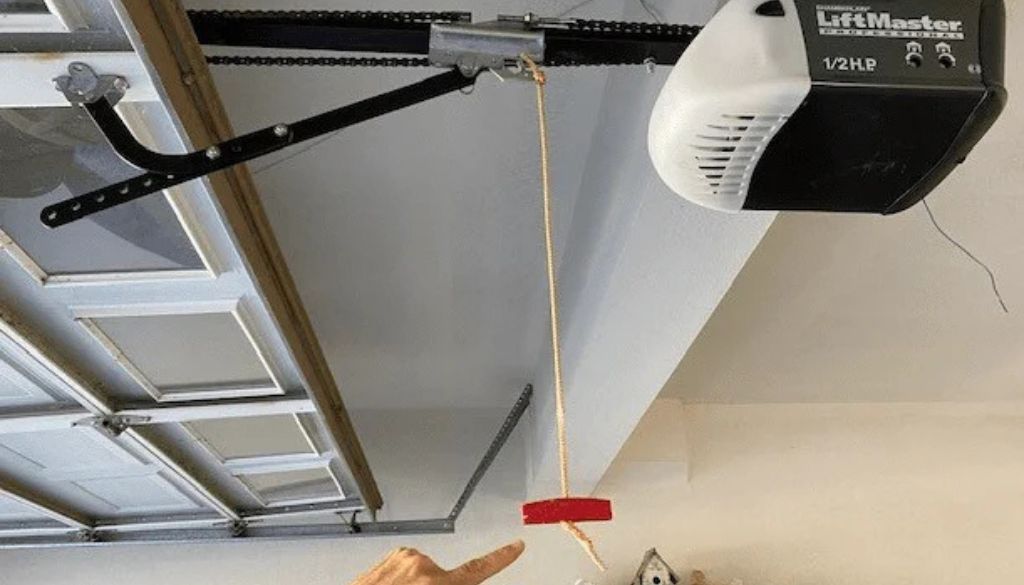
The emergency release is the red-handled cord or rope that hangs from the opener’s trolley — the sliding carriage that moves along the rail and connects the opener motor to your garage door. When you pull the cord, it disconnects the trolley from the drive mechanism, allowing you to lift and lower the door manually without the motor.
Every automatic garage door system has one. It’s a safety requirement designed to give you manual access to your garage when the opener can’t do its job — during power failures, remote or opener malfunctions, or mechanical breakdowns. For a broader overview of how your opener and its components work together, our guide on common garage door opener problems explains the full system.
When You Might Need to Use the Emergency Release
Power Failures and Blackouts
This is the most common scenario. When power goes out, your automatic opener has no electricity to operate. The emergency release is the only way to open or close the door until power is restored — or until a battery backup system takes over. For detailed guidance on managing your garage door during outages, see our article on whether a garage door will open without power.
Opener or Remote Failure
If your opener motor dies, the circuit board fails, or your remote and wall button both stop working, the emergency release gives you access to your garage while you arrange repairs. It’s also used by technicians when servicing or replacing the opener unit.
Why a Garage Door Emergency Release Gets Stuck
Door Weight and Spring Issues
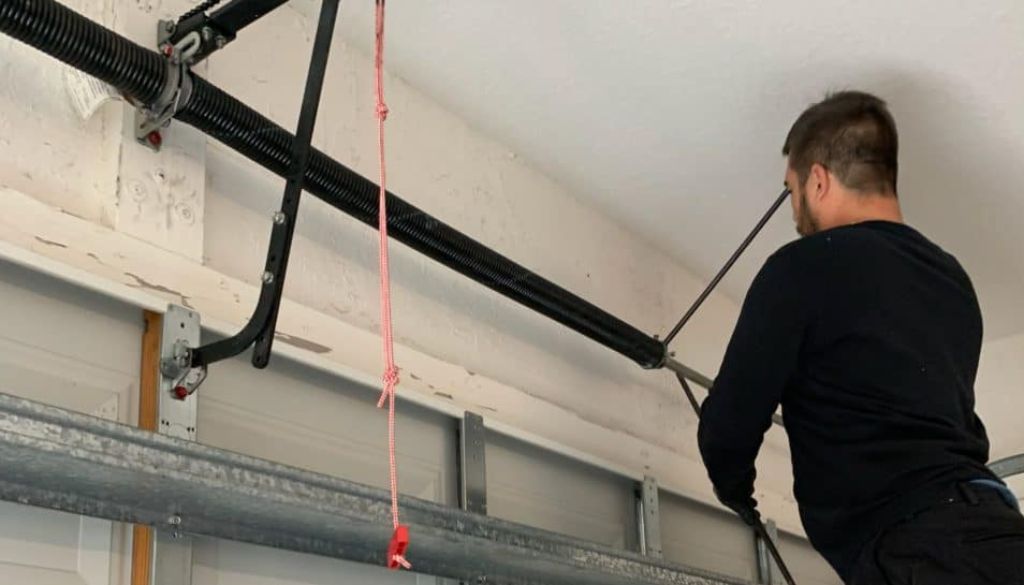
This is the most dangerous cause. If a torsion or extension spring has broken, the full weight of the door — often 80 to 150 kilograms — rests on the opener trolley. That enormous load creates friction and pressure on the release mechanism, making it physically difficult or impossible to disengage. Pulling harder in this situation won’t fix the problem and risks snapping the cord or injuring yourself. If you suspect a broken spring, our guide on what to do when a garage door spring breaks explains the immediate safety steps.
Opener Trolley or Mechanism Problems
The release mechanism itself can seize. Over time, the internal spring that allows the trolley to disconnect can weaken or jam. Corrosion, dirt buildup, or a misaligned trolley carriage can prevent the lever from moving freely. In some cases, the trolley has already been disengaged but the door’s weight or track friction is keeping it from moving — making it seem like the release is the problem when the issue is actually elsewhere.
Lack of Maintenance or Wear
Emergency release cords and their internal mechanisms are some of the most neglected components on a garage door. Most homeowners never touch the cord until they need it — which could be years after installation. Frayed or brittle cords can snap under force. Dried-out or corroded release levers refuse to move. Plastic handle clips can crack and separate from the cord entirely. Regular testing and lubrication as part of your routine maintenance prevents these failures from catching you off guard. Our garage door preventive maintenance checklist includes specific steps for testing the release mechanism.
Safety Warnings Before You Touch the Release Cord
Before attempting to use or troubleshoot the emergency release, understand the risks involved.
If the door is open or partially open when you pull the release, the door may drop under its own weight. This is especially dangerous if a spring is broken — the door has nothing counterbalancing it and can slam down with full force. A falling garage door can cause serious injury or death. Never stand under a partially open door when pulling the emergency release. Always ensure the door is fully closed before disengaging the trolley.
Additionally, check the tracks and cables before pulling the cord. If a cable has come loose, if the door is visibly crooked, or if you can see a broken spring (a visible gap in the coil above the door), do not attempt to operate the release. These conditions indicate the door is unstable and requires professional attention.
What to Do If the Emergency Release Is Stuck
Step-by-Step Safety Checks
Start by confirming the door is in the fully closed position. If the door is closed, it’s resting on the floor and its own weight isn’t loading the trolley — this makes the release easier and safer to disengage. Next, unplug the opener from the power outlet or switch off the circuit breaker. This prevents the motor from activating unexpectedly while you’re working below it. Clear all people, children, and pets away from the door’s path.
How to Apply Safe Manual Force
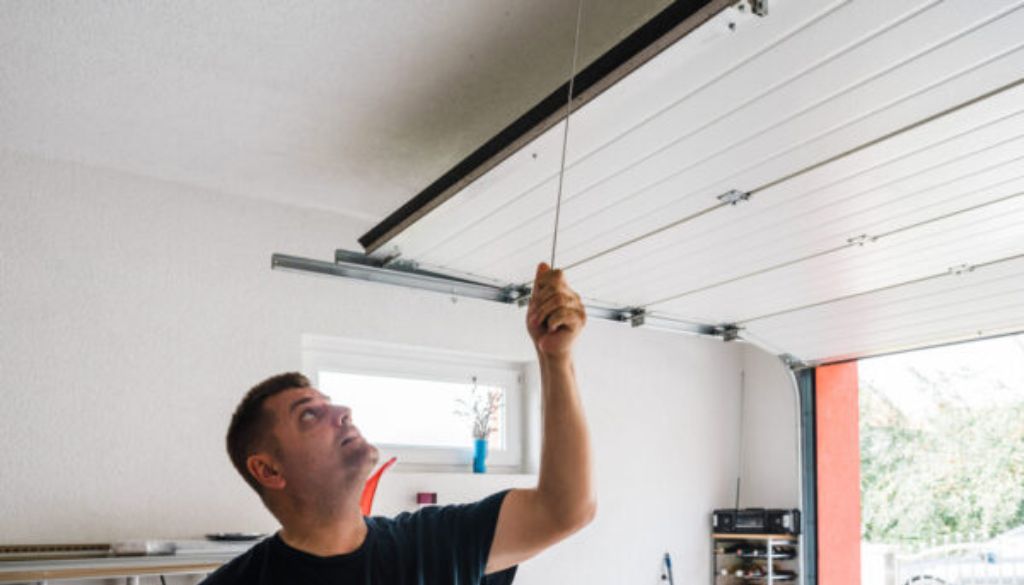
With the door confirmed closed and the opener unplugged, try pulling the release cord firmly downward in one smooth motion. The cord should release the trolley’s internal lever, allowing it to slide freely along the rail. If it doesn’t release, try pulling at a slight angle — sometimes the trolley sits at an angle that makes a straight-down pull less effective.
If moderate force doesn’t work, do not escalate to yanking, jerking, or hanging your weight on the cord. Instead, try lifting the door slightly by hand (just enough to take any remaining pressure off the trolley) while pulling the cord simultaneously. Sometimes even a few millimetres of lift relieves enough friction for the mechanism to disengage.
If the cord or handle is physically broken, frayed, or detached from the trolley, stop. You cannot safely disengage the release without the cord intact, and attempting to reach the trolley mechanism directly puts your hands near moving components that may shift unexpectedly.
What NOT to Do When the Emergency Release Is Stuck
Do not yank the cord aggressively. The cord is connected to a small internal lever — excessive force can snap the cord, break the lever, or damage the trolley housing, turning a simple fix into a more expensive repair.
Do not attempt to force the door open by pushing or pulling on the panels. A door that won’t move after the release has been pulled likely has a spring, track, or cable issue. Forcing it risks the door coming off its tracks, cable snapping under tension, or the door dropping uncontrollably.
Do not use tools, pliers, or improvised methods to pry the trolley mechanism apart. The trolley is under the load of the door and opener rail — disturbing it without proper training can cause the door to shift or fall.
Opening a Garage Door From Outside
If you’re locked out and the emergency release is only accessible from inside, you have a few options depending on your setup.
Some garage doors are fitted with an external emergency release kit — a keyed lock cylinder mounted on the outside of the door that connects to the internal release mechanism via a cable. Turning the key triggers the same disconnection as pulling the cord from inside. If your door has one of these, use it. If it doesn’t, this is something worth installing for future emergencies.
If your door has a keyed manual lock or a side entry door to the garage, use that to gain internal access. If no external access exists and the release is stuck from inside, you’re in a situation that requires a professional with the right tools. For a full walkthrough of external access methods, see our guide on how to open a stuck garage door safely.
How to Re-Engage the Opener After Manual Release
Once power is restored or the issue is resolved, you’ll need to reconnect the trolley to the opener’s drive mechanism.
Close the door fully by hand first. Then pull the release cord toward the opener motor (the opposite direction from how you disengaged it). On most systems, this resets the lever into reconnection mode. Press the wall button or remote — the opener will run the chain or belt, and when the drive carriage reaches the trolley, it will click back into engagement automatically.
Test the door through a full open-and-close cycle to confirm it’s reconnected and operating smoothly. If the trolley won’t re-engage, the internal spring mechanism may be damaged and will need replacement.
When to Call a Professional
Stop attempting any DIY solutions and call a technician if the door feels extremely heavy when you try to lift it manually (indicating broken springs), the door is visibly off-track or sitting at an angle, you hear grinding, snapping, or popping noises when moving the door, the release mechanism is physically broken or the cord has snapped, or you’ve tried the steps above and the door still won’t move or the release still won’t disengage.
These symptoms point to mechanical failures that require professional tools and training to resolve safely. Continuing to force the issue risks making the problem worse and creating a genuine safety hazard.
Preventing Emergency Release Problems
Regular Checks and Family Preparedness
Test your emergency release cord every three to six months. Pull it to disengage the trolley, manually open and close the door, then re-engage the opener. This keeps the mechanism from seizing due to disuse and confirms that you and your family know how to use it when it matters. Apply a small amount of silicone-based lubricant to the trolley’s release lever annually to prevent corrosion and sticking.
Make sure every adult in your household knows where the release cord is, how to pull it safely, and the importance of ensuring the door is closed before disengaging.
Backup Power and Upgrade Options
If power outages are common in your area, consider upgrading to a garage door opener with built-in battery backup. These units automatically switch to battery power when mains electricity fails, allowing normal remote-controlled operation without needing the manual release at all. Modern battery backup openers from brands like B&D and Centurion are increasingly affordable and provide genuine peace of mind during storm season.
Frequently Asked Questions
Why won’t my garage door emergency release disengage?
The most common causes are a broken spring loading the trolley with the door’s full weight, a corroded or seized release lever inside the trolley, or a frayed cord that’s lost its connection to the internal mechanism.
Is it dangerous to use the emergency release?
It can be if the door is open or partially open — pulling the release in that position may cause the door to drop. Always ensure the door is fully closed before pulling the cord.
Can a garage door fall when using the release?
Yes. If the door is in a raised position and the springs are broken, releasing the trolley removes the only thing holding the door up. The door can free-fall with enough force to cause serious injury.
Do all garage doors have an emergency release?
All automatic garage doors with electric openers include an emergency release mechanism. Manually operated doors don’t have one because they’re already operated by hand.
Should I install an external emergency release kit?
If your garage doesn’t have a side entry door or other way to access the release cord from outside, an external release kit is a worthwhile safety investment — especially if your garage is your primary entry point to the house.
Stuck and Can’t Get It Working? Impact Doors Is Here to Help
A stuck emergency release during a power outage or lockout is stressful, but forcing the mechanism or the door is never the answer. If you’ve tried the safe steps above and you’re still stuck, it’s time for a professional.
At Impact Doors, Jarred and the team handle emergency release repairs, trolley replacements, spring failures, and opener diagnostics across the Moreton Bay Region and North Brisbane. We carry replacement parts on board to fix most release mechanism problems in a single visit, and we offer same-day emergency callouts when you’re locked in — or locked out.
Emergency release won’t budge? Call Impact Doors on 0431 625 191 or request a free on-site quote — we’ll get your garage door working safely again.
