
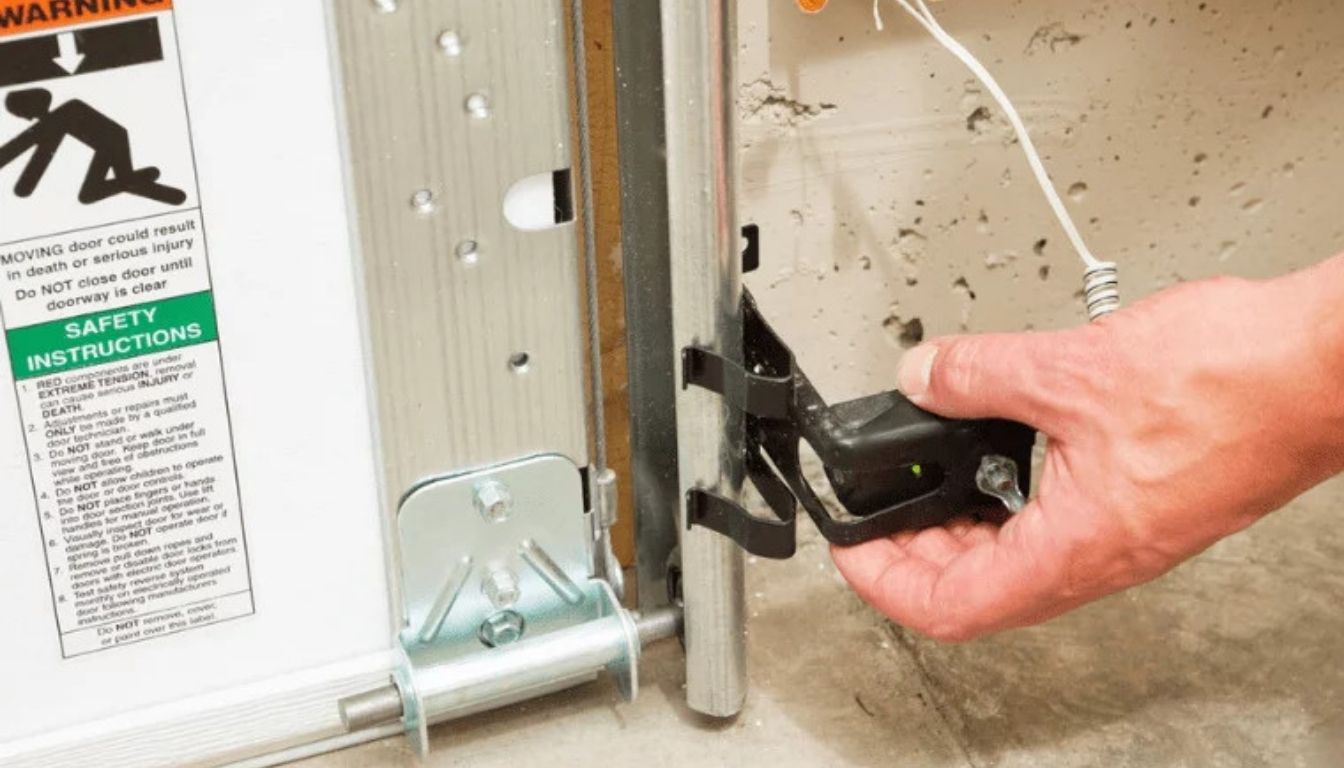
That familiar frustration: you press the remote, the garage door starts closing, then immediately reverses. No obstruction in sight. The sensor light blinks mockingly. When garage door sensors fail, your entire system becomes unreliable—and potentially unsafe. Sensor issues are also more common in garages where the opener is poorly matched to the available space — our guide to compact garage door opener setups explains how choosing the right system from the start reduces sensor problems in low-ceiling garages.
This guide explains how garage door sensors work, the telltale signs of failure, realistic replacement costs for Australian homeowners, and how to decide between DIY and professional installation. While sensor replacement restores your door’s automatic safety function, physical security is a separate layer worth addressing — see our guide on securing your garage door with a slide bolt lock bar for a straightforward DIY upgrade that protects the door even when the power or sensors fail.
What Are Garage Door Sensors and How Do They Work?
Every automatic garage door manufactured since the early 1990s includes safety sensors as standard equipment. These devices prevent the door from closing on people, pets, vehicles, or objects in its path—a critical safety feature that has prevented countless injuries.
The standard configuration uses photoelectric sensors, commonly called photo-eye sensors. Two units mount on opposite sides of the door opening, typically 100 to 150mm above floor level. One unit emits an invisible infrared beam; the other receives it. When anything interrupts this beam during the closing cycle, the door immediately reverses direction.
This safety reverse mechanism operates independently of your wall button and remote. Even if you hold the close button, a properly functioning sensor system will reverse the door when the beam breaks. This failsafe design means sensor problems don’t just cause inconvenience—they compromise the safety features protecting your family. If you’re unsure whether your current sensors will work with a replacement unit, read more about understanding universal garage door sensors to avoid compatibility pitfalls.
Types of Garage Door Sensors
Understanding sensor varieties helps you communicate effectively with suppliers and technicians, and ensures you choose the right replacement for your system.To learn whether you can swap brands or sensor types during replacement, our section on garage door sensor compatibility explained has practical guidance.
Photo-Eye Safety Sensors
The workhorses of garage door safety. These infrared beam sensors come standard with virtually every residential opener. The sending unit typically displays an amber LED while the receiving unit shows green when properly aligned. Replacement pairs cost between $30 and $100 depending on brand and features.
Pressure and Contact Sensors
Some systems incorporate additional safety measures. Pressure-sensitive strips along the door’s bottom edge detect physical contact with obstructions. Magnetic contact sensors monitor door position—fully open, fully closed, or somewhere between. These typically supplement rather than replace photo-eye sensors.
Smart and Wireless Sensors
The modern upgrade path. Wi-Fi-enabled sensors connect to smartphone apps, sending alerts when your door opens or closes. Integration with Google Assistant, Alexa, and home automation platforms adds convenience and security monitoring. Expect to pay $150 to $400 for quality smart sensor systems.
Security Sensors
Specialised sensors detect forced entry attempts, unusual vibrations, or tampering. Tilt sensors trigger alerts if someone tries lifting a closed door. These security-focused options appeal to homeowners prioritising property protection alongside basic safety functions.
Signs Your Sensors Need Replacement
Before purchasing new sensors, confirm the problem actually lies with the sensors themselves. These symptoms typically indicate sensor issues.
The door reverses immediately when closing. This classic symptom suggests the sensors believe something is blocking the beam. If cleaning and realignment don’t resolve it, internal sensor failure is likely.
Indicator lights won’t illuminate. Complete absence of LED lights—not blinking, but entirely dark—usually indicates power failure to the sensor or internal component failure.
Erratic light patterns. Unusual blinking sequences that don’t match your opener’s normal alignment indicators often signal dying sensors.
Closing only works by holding the wall button. Most openers allow continuous wall button pressure to override sensor input. If this is the only way your door closes, the sensors need attention.
Visible physical damage. Cracked housings, clouded or damaged lenses, corroded connections, or impact damage all warrant replacement regardless of current functionality.
Age beyond 10 years. Sensors in harsh environments—coastal salt air, extreme temperatures, dusty conditions—may fail sooner. If your sensors are a decade old and showing any symptoms, replacement often proves more economical than repeated troubleshooting.
Repair vs Replace: Making the Right Call
Not every sensor problem requires replacement. Rule out these common issues first.
Misalignment
Sensors must point directly at each other. Bumps from vehicles, lawn equipment, or even house settling knock sensors out of alignment. Check that both units are firmly mounted and aimed straight across the opening. Many sensors include alignment indicators—typically a solid green light when properly positioned.
Dirty Lenses
Dust, cobwebs, moisture condensation, and general grime accumulate on sensor lenses. A gentle wipe with a soft cloth often restores function immediately. Check also for spider webs or debris partially blocking the beam path between sensors.
Wiring Problems
Damaged wires, loose terminal connections, or corroded contacts create symptoms identical to sensor failure. Inspect visible wiring for cuts, rodent damage, or deterioration. Ensure connections at both the sensor and opener terminals are secure.
When Replacement Makes Sense
If troubleshooting doesn’t resolve the issue—or problems recur repeatedly—replacement becomes the practical choice. The cost difference between ongoing repairs and new sensors rarely justifies continued troubleshooting beyond basic checks.
Garage Door Sensor Replacement Costs
Realistic cost expectations help you budget appropriately and evaluate quotes.
Parts Costs
Basic photo-eye sensor pairs run $30 to $80 for reliable brands. Mid-range options with enhanced durability or features cost $80 to $150. Smart sensors with Wi-Fi and app integration range from $150 to $400 depending on capabilities and brand reputation.
Labour Costs
Professional installation typically adds $80 to $150 for straightforward photo-eye replacements. This assumes existing wiring is in good condition and no opener modifications are needed. Smart sensor installations requiring Wi-Fi configuration and app setup may cost slightly more due to additional time.
Most technicians complete standard sensor replacements in 30 to 45 minutes, making this one of the more affordable garage door service calls.
Total Replacement Costs
Budget $120 to $250 for professional replacement of standard photo-eye sensors including parts and labour. Smart sensor upgrades with professional installation typically run $250 to $500 total.
Across Moreton Bay and North Brisbane, pricing remains fairly consistent, though emergency or after-hours calls carry premium rates.
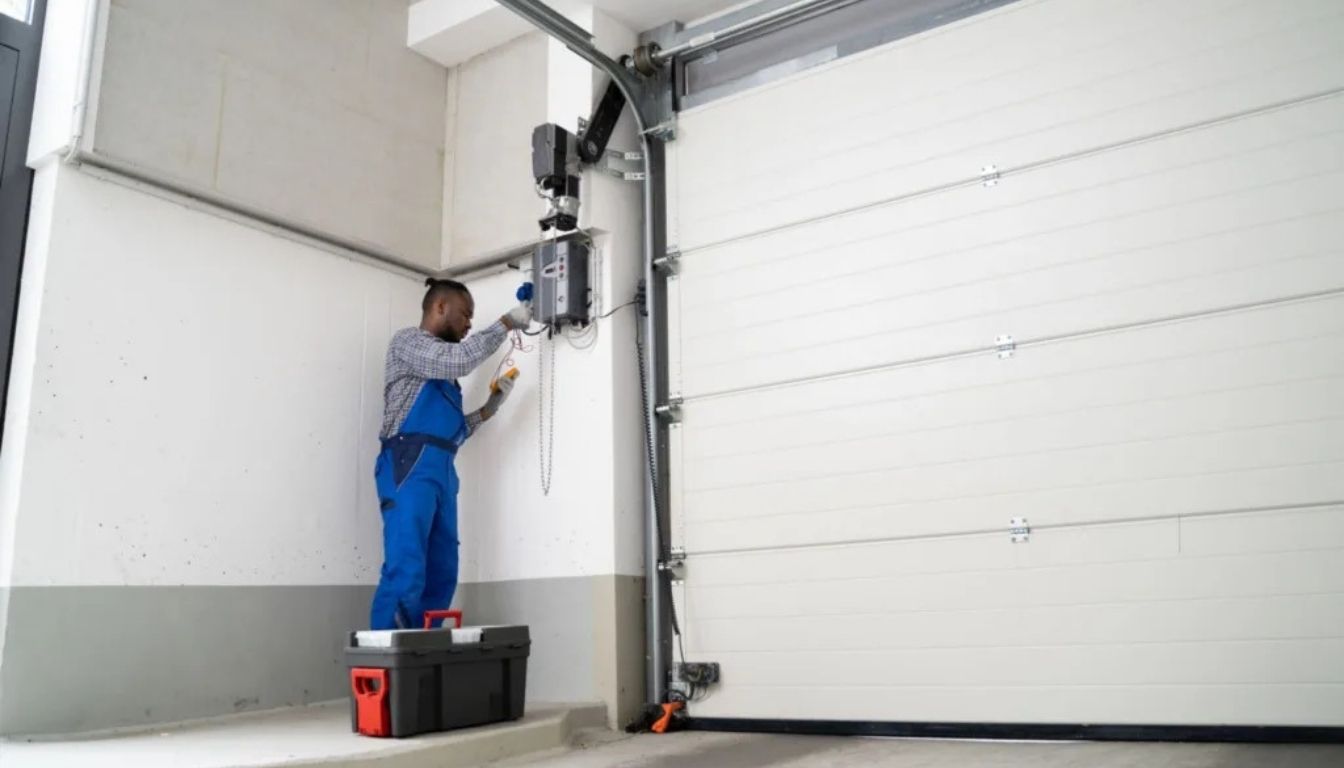
DIY vs Professional Installation
Sensor replacement sits at the accessible end of garage door repairs—but accessibility doesn’t mean it’s right for everyone.
When DIY Works Well
Replacing photo-eye sensors is manageable for homeowners comfortable with basic wiring connections. The process involves disconnecting old sensors from low-voltage terminals, mounting new units in the same positions, reconnecting wires, and aligning the beam.
DIY makes sense when you’re replacing same-brand sensors, existing wiring shows no damage, you’re comfortable with basic electrical work, and your opener uses standard connections.
When Professionals Add Value
Smart sensor installations benefit from experienced setup. Wi-Fi configuration, app integration, and home automation connections involve more complexity than basic photo-eye swaps.
Wiring damage, compatibility questions between sensors and openers, or symptoms that persist after sensor replacement all suggest underlying issues best diagnosed by a technician. Paying for professional diagnostics often costs less than buying parts that don’t solve the actual problem.
Impact Doors technicians across Moreton Bay and North Brisbane can verify sensor compatibility before ordering parts—avoiding the frustration of returns when universal sensors don’t play nicely with your specific opener.
Testing After Replacement
Proper testing confirms your new sensors function correctly and your door operates safely. Before installing new sensors, check out how garage door sensors work so you fully grasp how these safety devices protect your family.
Obstruction test: Place a cardboard box or similar object in the door’s path. Activate the close function. The door should reverse immediately when the object breaks the infrared beam. Test at multiple positions across the door opening.
Indicator light verification: Confirm both sensors show proper LED status—typically amber on the sender and green on the receiver when aligned, though this varies by manufacturer.
Operational testing: Cycle the door through several complete open-close operations using both the wall button and remote control. Listen for smooth operation and watch for any hesitation.
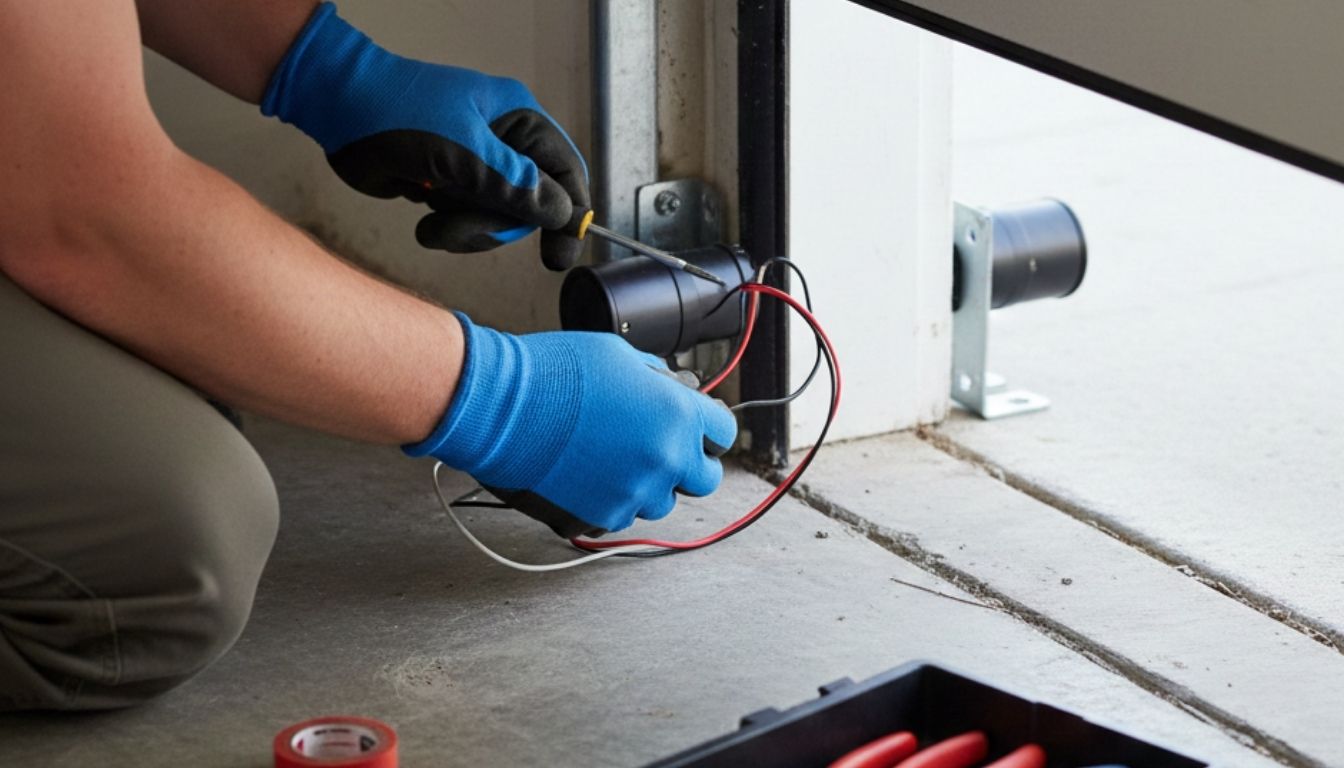
Maintenance to Extend Sensor Life
Simple maintenance prevents premature sensor failure.
Clean sensor lenses monthly in dusty environments, quarterly in cleaner conditions. Use a soft cloth—avoid abrasive materials that could scratch the lens.
Check alignment whenever you notice closing hesitation. Visual inspection takes seconds and catches problems before they worsen.
Inspect visible wiring annually, particularly if you’ve had rodent activity. Damaged wiring causes intermittent problems that are frustrating to diagnose.
Consider protective covers if sensors face direct sunlight, sprinkler spray, or other environmental challenges. Garage door sensors are part of a broader system — including the opener itself — which is detailed in garage door opener repair and replacement services.
Frequently Asked Questions
How do I know if my garage door sensor needs replacing?
Persistent problems after cleaning, realignment, and wiring checks indicate replacement is needed. Sensors showing physical damage or older than 10 years with any symptoms are generally better replaced than repeatedly repaired.
Can I replace only one sensor?
While possible, replacing both sensors as a matched pair is recommended. Sensors age together, and mismatched units may create compatibility issues or require another replacement soon after.
Should both sensor lights be green?
This varies by manufacturer. Commonly, the sending sensor shows amber and the receiving sensor shows green. Consult your opener’s documentation for model-specific indicator meanings.
Are all garage door sensors interchangeable?
No. While universal sensors exist, compatibility with specific openers isn’t guaranteed. Same-brand replacements ensure compatibility. When uncertain, professional assessment prevents costly trial-and-error.
How long do garage door sensors last?
Quality sensors typically last 10 to 15 years under normal conditions. Environmental factors, physical impacts, and power surges can shorten this lifespan.
Safety Comes First
Garage door sensors exist to prevent injuries. A door weighing 80 to 150 kilograms poses genuine danger when closing without proper safety protection. Bypassing or ignoring malfunctioning sensors creates unacceptable risk.
If your sensors aren’t working properly and basic troubleshooting hasn’t resolved the issue, replacement isn’t optional—it’s essential for household safety. If your sensors repeatedly fail, it may be time for a full service — view our local garage door repair services in Petrie to schedule professional help.
For professional sensor replacement across Moreton Bay and North Brisbane, Impact Doors offers 7-day service with upfront pricing. Call (07) 5451 4022 or visit impactdoors.net.au to book a same-day inspection.
