

Your garage door is one of the hardest-working features of your home, opening and closing hundreds of times each year. Like any mechanical system, it requires regular maintenance to operate safely and efficiently. A professional garage door tune-up ensures all components work together smoothly, helping you avoid unexpected breakdowns and costly repairs.
But what exactly happens during a tune-up? Understanding the process helps you appreciate the value of preventative maintenance and know what to expect when a technician arrives at your home.
Full Inspection & Safety Check
Every comprehensive tune-up begins with a thorough inspection of your entire garage door system. Technicians examine both visible and hidden components to identify potential problems before they become serious issues.
Visual Examination of Components
The technician carefully inspects all major parts including rollers, tracks, panels, cables, and hardware. They look for signs of wear such as rust, dents, cracks, or debris buildup that could affect performance. This visual check helps catch issues like bent tracks, worn rollers, or damaged panels that might compromise your door’s operation.
Safety System Checks
Modern garage doors include critical safety features designed to protect your family and property. During a tune-up, technicians test the auto-reverse mechanism by placing an object in the door’s path to ensure it stops and reverses immediately. They also verify that safety sensors are properly aligned and functioning, as these prevent the door from closing when something is in the way—a vital feature for homes with children or pets.

Spring & Cable Testing and Adjustment
Springs and cables bear the entire weight of your garage door, making them among the most important components to maintain. Don’t overlook hardware — tightening bolts, hinges, and brackets during a tune‑up can prevent looseness or misalignment; our garage door care: 10 essential maintenance tips covers this well.
Spring Tension Testing
Garage door springs counterbalance the door’s weight, allowing it to open and close smoothly. Over time, springs lose tension, making the door feel heavy or causing uneven movement. Technicians test spring tension by observing how the door operates and may perform a manual balance test. If you’ve noticed creaking sounds or the door struggling to open, spring adjustment is likely needed.
Cable Condition & Replacement
Cables work alongside springs to lift and lower your door safely. During inspection, technicians check for frayed, stretched, or rusted cables that could snap unexpectedly. Worn cables are a serious safety concern—they can cause the door to jam or fall suddenly. If cables show significant wear, technicians will recommend immediate replacement to prevent dangerous failures.
Roller, Hinge & Track Maintenance
Smooth, quiet operation depends on well-maintained rollers, hinges, and tracks. A tune-up isn’t complete without inspecting the rollers for signs of wear, which is why our garage door roller maintenance guide is a must-read.
Cleaning & Realignment
Tracks guide your door’s movement and must be properly aligned and debris-free. Technicians remove accumulated dirt, inspect for bending or warping, and verify the tracks are level. Even minor misalignment can cause grinding noises, uneven movement, or increased wear on other components. If tracks are bent or severely misaligned, adjustments or replacements may be necessary.
Hardware Tightening
The constant vibration from daily use gradually loosens bolts, brackets, and hinge fasteners. During a tune-up, technicians systematically tighten all hardware throughout the door system. This simple step reduces noise, prevents component wear, and ensures everything stays securely in place.
Lubrication of Moving Parts
Proper lubrication is essential for smooth, quiet operation and extends the life of moving components.
Parts Typically Lubricated
Technicians apply high-quality silicone-based lubricant to rollers, hinges, springs, pulleys, and other moving parts. This reduces friction, minimizes wear, and significantly decreases operational noise. The right lubricant also provides protection against rust and corrosion.
Climate Considerations
In coastal areas or humid environments, corrosion becomes a greater concern. Professional technicians use lubricants specifically formulated to provide rust protection in challenging conditions, helping your garage door system withstand environmental factors that accelerate deterioration.
Motor & Opener Testing
For motorized garage doors, the opener system requires specific attention during tune-ups.
Opener Force & Motor Efficiency
Technicians test the motor’s responsiveness and force settings to ensure smooth operation. If your door moves slowly or struggles to lift, the motor may need adjustment. Proper force calibration prevents unnecessary strain on the motor while ensuring the door opens and closes reliably.
Sensor Alignment
Safety sensors must be perfectly aligned to function correctly. Technicians clean sensor lenses, check wiring connections, and verify that sensors communicate properly with the opener. Misaligned or dirty sensors can prevent your door from closing or cause erratic behavior. Electrical components like sensors and openers should also be tested, and our guide on troubleshooting garage door openers can help you spot common issues early.
Door Balance & Alignment
A properly balanced door operates efficiently and puts minimal strain on the opener motor.
Manual Balance Test
Technicians disconnect the opener and manually lift the door halfway. A well-balanced door should stay in place without assistance. If it drops or rises on its own, spring tension needs adjustment. This test reveals imbalances that force your motor to work harder than necessary, potentially shortening its lifespan.
Alignment Adjustments
An uneven or jerking door indicates alignment problems. Technicians make precise adjustments to ensure the door moves smoothly along its tracks without binding or tilting. Proper alignment prevents premature wear and reduces stress on all system components.
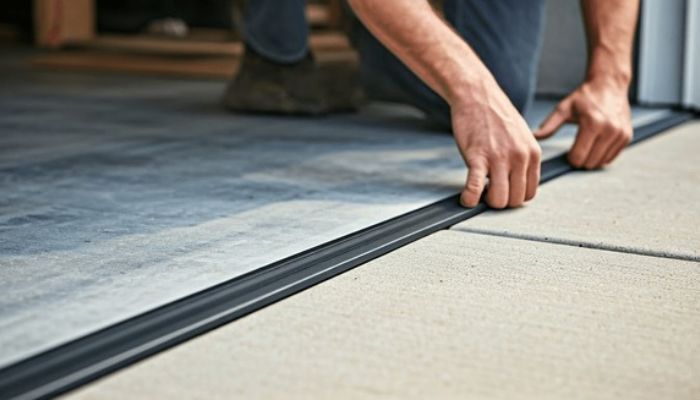
Weather Seal Check
Weather seals protect your garage from the elements and improve energy efficiency.
Seal Replacement Indicators
Technicians inspect the bottom seal and side seals for signs of cracking, warping, or damage. Worn seals allow drafts, moisture, and pests to enter your garage. If seals are compromised, replacement restores protection and helps maintain comfortable temperatures inside your garage. In addition to checking moving parts, a tune‑up should also ensure the weather‑seal and door balance are intact — for guidance, see our seasonal garage door maintenance tips.
Noise Reduction Checks
Excessive noise often signals maintenance needs or worn components.
Causes of Noise
Technicians identify noise sources such as loose screws, worn metal rollers, or track friction. Many noise issues resolve through proper lubrication and hardware tightening. If noise persists, worn rollers or other components may require replacement. Addressing noise problems not only makes your garage door quieter but often indicates you’re preventing more serious issues.
Minor Repairs & Part Replacements
During tune-ups, technicians can address small problems before they escalate.
Common Minor Fixes
Worn brackets, loose bolts, and similar minor issues are typically handled on the spot. These small repairs prevent costly future problems and ensure your door continues operating safely. Technicians carry common replacement parts, allowing them to fix many issues during the same visit.
Technician Report & Recommendations
A professional tune-up includes documentation and expert guidance for future maintenance.
Service Documentation
You’ll receive a detailed condition report outlining what was inspected, adjusted, and repaired. Technicians also provide recommendations for any components needing attention soon, helping you plan and budget for future maintenance. This documentation creates a service history for your garage door system. Even small problems can become costly, which is why understanding the benefits of routine garage door maintenance is key to preventing major repairs down the line.”
Frequently Asked Questions
How often should I service my garage door?
Most manufacturers recommend scheduling a professional tune-up at least once per year. If your garage door experiences heavy daily use—such as multiple family members coming and going throughout the day—or if you live in a coastal area where salt air accelerates corrosion, consider bi-annual servicing. Regular maintenance prevents minor issues from becoming expensive repairs and significantly extends the lifespan of your entire door system.
How long does a garage door tune-up take?
A comprehensive professional tune-up typically takes between 45 minutes to 90 minutes, depending on your door’s condition and complexity. Roller doors may require less time than sectional doors with multiple panels. If the technician discovers issues requiring immediate attention, such as worn cables or damaged rollers, the service may take longer. Most routine maintenance visits can be completed within an hour.
Can I lubricate my garage door myself?
Yes, homeowners can perform basic lubrication as part of regular upkeep between professional services. Use a silicone-based or lithium-based lubricant specifically designed for garage doors—never use WD-40 or general-purpose oils as these attract dirt and can gum up moving parts. Apply lubricant to rollers, hinges, springs, and pulleys every few months. However, complete tune-ups involving spring adjustments, track alignment, and safety system testing should always be left to trained professionals.
Why is my garage door noisy?
Noisy garage doors usually indicate maintenance needs. Common causes include loose hardware that vibrates during operation, worn metal rollers that need replacement, dried-out moving parts requiring lubrication, or misaligned tracks causing friction. Sometimes noise results from normal wear on older components. A professional tune-up addresses most noise issues through proper lubrication, hardware tightening, and component inspection. If noise persists after maintenance, you may need roller replacement or other component upgrades.
Do automatic garage doors need more maintenance than manual doors?
Motorized garage doors don’t necessarily need more frequent maintenance, but they do require additional checks of the opener system, sensors, remote controls, and electrical components. The motor itself needs periodic testing to ensure proper force settings and responsiveness. Safety sensors require alignment verification and cleaning. However, automatic doors often reveal maintenance needs earlier because the motor struggles when springs lose tension or tracks become misaligned, alerting you to problems that might go unnoticed with a manual door.
Keep Your Garage Door Running Smoothly with Impact Doors
Regular tune-ups protect your investment and ensure safe, reliable operation for years to come. A well-maintained garage door operates quietly, efficiently, and reduces the risk of inconvenient breakdowns.
Impact Doors provides comprehensive garage door maintenance and tune-up services throughout the Gold Coast region. Our experienced technicians understand the specific challenges posed by coastal conditions and deliver thorough service for roller doors, sectional doors, and motorized systems.
Don’t wait for problems to develop. Contact Impact Doors today to schedule your professional garage door tune-up and experience the peace of mind that comes with expert preventative maintenance. Call us or visit our website to book your service appointment.
