
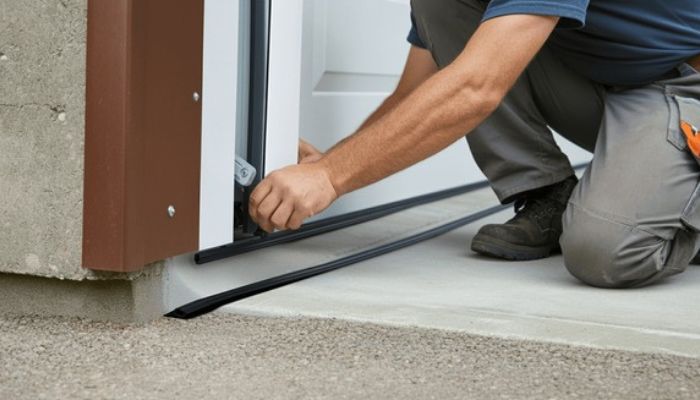
Your garage door is one of the hardest-working features of your home, opening and closing thousands of times each year. But like any mechanical system, it won’t last forever. Knowing when to replace your garage door can save you money, improve your home’s security, and prevent inconvenient breakdowns at the worst possible times.
How Long Do Garage Doors Typically Last?
Most garage doors have a lifespan of 15 to 30 years, depending on several factors. The door panels themselves can last 20-30 years with proper care, while mechanical components have shorter lifespans. Springs typically need replacement every 7-10 years, rollers last 10-15 years, and cables usually survive 8-12 years. Your garage door opener might need replacing after 10-15 years of regular use.
Factors That Affect Lifespanp
Several variables determine how long your garage door will serve you well. Weather exposure plays a significant role—doors facing harsh sun, salt air, or extreme temperatures deteriorate faster. The number of daily cycles matters too; a door opened four times daily experiences twice the wear of one used twice daily. Installation quality and regular maintenance frequency also dramatically impact longevity. A professionally installed door with annual servicing will significantly outlast a poorly installed, neglected one. If you want to extend the life of your current door, following regular garage door maintenance can help prevent costly problems down the line.
Clear Signs It’s Time to Replace Your Garage Door
Excessive Noise or Jerky Movement
If your once-quiet garage door now sounds like it’s grinding metal or shaking violently, it’s sending you a warning. Grinding sounds, slow or uneven opening, and jerky movement indicate worn rollers, damaged tracks, or a failing opener. While individual components can sometimes be replaced, persistent noise despite repairs suggests the entire system is wearing out. Modern garage doors operate smoothly and quietly—if yours doesn’t, it may be time for an upgrade. Keeping tracks, rollers, and hinges clean, aligned, and lubricated — as described in the guide to maintaining your garage door tracks — is often the difference between a smooth‑running door and a system that constantly breaks down.
Visible Damage
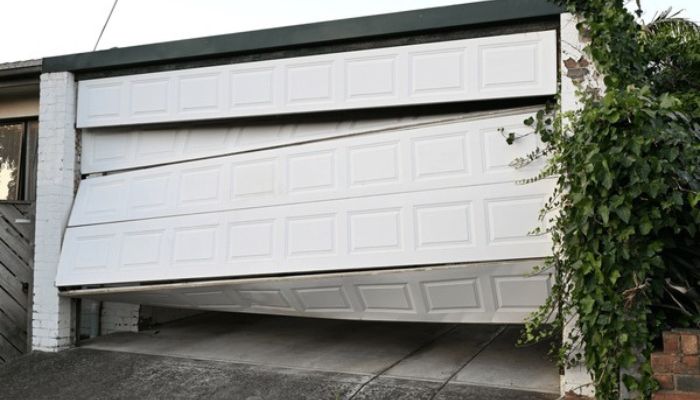
Take a close look at your door’s condition. Significant dents, rust spots, cracks in panels, warping, peeling paint, or wood rot aren’t just cosmetic issues—they compromise your door’s structural integrity and insulation. Damaged weather seals allow moisture, pests, and drafts into your garage. If multiple panels show damage or deterioration is widespread, replacement is more cost-effective than attempting extensive repairs.
Frequent Breakdowns
Are you calling for garage door repairs several times a year? Frequent component failures signal that your door has reached the end of its useful life. When repair costs start adding up—especially if you’re replacing the same parts repeatedly—you’re throwing money at a failing system. Calculate what you’ve spent on repairs over the past two years; if it approaches half the cost of a new door, replacement makes financial sense.
Outdated Appearance
An old-style garage door can make your entire home look dated. If your door’s design no longer matches your home’s exterior or looks out of place compared to neighboring properties, replacement offers an opportunity to boost curb appeal. This is especially important if you’re planning to sell—real estate experts consistently rank garage door replacement among the top improvements for return on investment.
Old or Unsafe System
Older garage doors often lack modern safety features that are now standard. If your door doesn’t have auto-reverse functionality when it encounters an obstruction, or lacks motion detection sensors, it poses a safety risk—especially to children and pets. Outdated systems also lack security features like rolling code technology that prevents break-ins.
When Your Garage Door Should Be Repaired Instead
Replacement isn’t always necessary. If your door has only minor damage—small dents, light scratches, or cosmetic issues—and the opener functions properly, repairs may suffice. Doors with a good maintenance history and mechanical parts in good condition can often be restored rather than replaced.
Budget considerations matter too. If you’re facing unexpected expenses and your door is still relatively functional, strategic repairs can extend its life for a few more years. However, be honest about whether you’re delaying the inevitable or genuinely getting more value from repair. If your door struggles to close properly or gets stuck — even after maintenance — the guide why a garage door cannot close outlines common issues — but might also justify a full replacement for safety and reliability.
Benefits of Replacing Your Garage Door
Security Improvements
Modern garage doors feature reinforced materials and better locking systems that make forced entry significantly more difficult. Contemporary openers include rolling code technology that changes the access code after each use, preventing thieves from capturing and reusing your signal.
Safety Features
Today’s garage doors include auto-reverse mechanisms that immediately stop and reverse if they encounter resistance, motion detection sensors that prevent closing when objects are in the path, and updated components that reduce pinch points and mechanical hazards.
Modern Technology
Smart home integration allows you to control your garage door from anywhere via smartphone apps, receive alerts when it opens or closes, and grant temporary access to delivery drivers or guests. Battery backup systems ensure your door operates even during power outages—a feature that proves invaluable during emergencies.
Better Aesthetics & Value
A new garage door can dramatically enhance your home’s curb appeal with contemporary designs, custom styling options, and colors that complement your exterior. This improvement typically recoups 90-95% of its cost in increased home value, making it one of the smartest renovation investments.

Is It Time to Replace the Opener Instead?
Sometimes the door itself is fine, but the opener has reached the end of its life. Signs your opener needs replacement include a struggling motor that can’t fully lift the door, lack of smartphone connectivity, missing safety sensors, or an opener manufactured before 1993 (when auto-reverse became mandatory). Understanding how garage doors work — including springs, tracks, rollers, and sensors — helps you recognise when performance issues are due to age or damage, signalling replacement may be wiser.
Modern openers are quieter, more powerful, and include features like battery backup and Wi-Fi connectivity. If your door is in good condition but your opener is failing, replacing just the opener can extend your system’s life for years.
Quick Replacement Checklist
Consider replacement if your door:
- Is more than 20 years old
- Requires frequent repairs
- Shows significant visible damage or deterioration
- Operates loudly or unevenly
- Lacks modern safety features
- Doesn’t match your home’s current style
- Has failing weather seals
- Costs more to repair than it’s worth
Frequently Asked Questions
How do I know if my garage door needs to be replaced instead of repaired?
The key is evaluating the extent and frequency of problems. If your door requires multiple repairs per year, has widespread damage affecting several panels, lacks essential safety features, or repair costs are approaching 50% of a new door’s price, replacement is typically the better investment. However, if you’re dealing with isolated issues like a single damaged panel or a broken spring, and the door is less than 15 years old with good maintenance history, repair is usually sufficient. Many homeowners overlook common garage door problems that, if ignored, can make replacement inevitable.
How long do garage doors typically last?
Garage door lifespan varies by component and usage. Door panels generally last 20-30 years with proper care, while the opener typically requires replacement after 10-15 years. Individual mechanical parts have shorter lifespans: springs last 7-10 years, rollers 10-15 years, and cables 8-12 years. Factors like daily usage frequency, weather exposure, and maintenance quality significantly impact these timelines. A well-maintained door in a moderate climate will outlast a neglected door facing harsh conditions.
What are the benefits of upgrading to a modern garage door?
Modern garage doors offer substantial improvements over older models. Security enhancements include reinforced materials and rolling code technology that prevents break-ins. Safety features like auto-reverse and motion sensors protect your family. Smart home integration provides convenient smartphone control and monitoring. Energy-efficient insulation reduces heating and cooling costs. Additionally, contemporary designs dramatically improve curb appeal and can increase your home’s value by up to 95% of the replacement cost.
Should I replace my garage door opener at the same time?
If your opener is 10+ years old, replacing it alongside your door makes practical sense. You’ll benefit from coordinated warranties, avoid the hassle of a second service call, and ensure compatibility between components. Modern openers offer significant advantages: quieter operation, smartphone connectivity, battery backup, and enhanced security features. However, if your opener is relatively new (under 5 years) and functioning well with proper safety sensors, you can keep it and simply ensure it’s compatible with your new door.
What type of garage door is best for my home?
The best garage door depends on your specific needs and preferences. Sectional doors are the most popular choice, offering quiet operation, excellent insulation options, and versatile design choices. Roller doors provide space-saving benefits and durability, making them ideal for garages with limited ceiling clearance or driveways. Tilt doors work well for low-clearance situations and offer custom styling opportunities. Consider factors like your garage’s dimensions, your budget, insulation needs, architectural style, and desired features when making your selection.
Ready to Upgrade Your Garage Door?
At Impact Doors, we understand that deciding between repair and replacement is a significant investment decision. Our experienced team can assess your current door’s condition, explain your options honestly, and help you choose the perfect replacement that fits your budget, style preferences, and functional needs.
Whether you’re looking for enhanced security, improved energy efficiency, or simply a more attractive entrance to your home, we offer a comprehensive range of modern garage door solutions including sectional doors, roller doors, and custom designs with the latest technology and safety features.
Don’t wait for complete failure to leave you locked out or compromise your home’s security. Contact Impact Doors today for a free assessment and discover how a new garage door can transform your home’s functionality, appearance, and value. Our professional installation ensures your new door will provide decades of reliable, smooth operation.
