

Standard roller doors and sectional overhead doors work brilliantly for most homes—but they’re not always the right fit. When ceiling space is limited, architectural design demands something different, or you simply want a door that makes a statement, sliding and folding garage doors offer compelling alternatives.
These innovative door systems operate horizontally rather than vertically, tucking neatly to the side of your garage opening or folding accordion-style against the wall. The result is a space-saving solution that opens up design possibilities traditional doors simply can’t match.
Whether you’re building a contemporary home, renovating a heritage property, or solving a tricky low-headroom situation, this guide covers everything you need to know about sliding and folding garage doors—from technical specifications to installation considerations and real-world use cases. For a detailed breakdown of what to budget for your new door, our garage door installation and pricing guide covers labour costs, materials, and automation options.
What Are Sliding Folding Garage Doors?
The term “sliding folding garage doors” encompasses two distinct door types that share a common trait: they don’t require overhead clearance like conventional sectional or roller doors.
Sliding sectional doors travel horizontally along a track mounted to the garage wall. The door panels stack beside the opening, either inside or outside the garage depending on available space and configuration. Think of them as vertical sectional doors rotated 90 degrees.
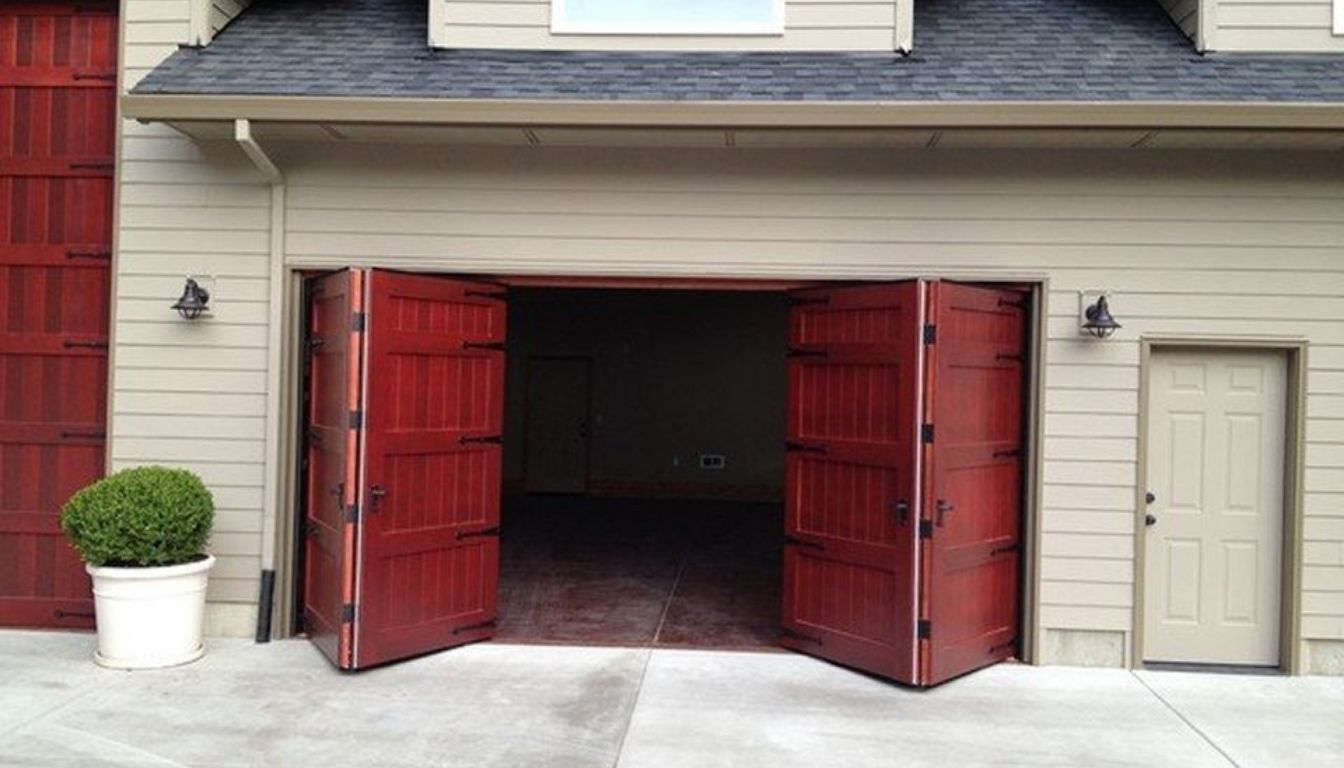
Folding facade doors use hinged panels that fold inward (or occasionally outward) like an accordion. These systems are particularly popular for architectural applications where the door face needs to match building cladding or feature custom materials like timber, aluminium composite, or decorative panels. Sliding folding doors offer extensive personalisation possibilities—explore all the garage door customisation options for your home including colours, materials, and finishes to match your property’s aesthetic.
Both systems solve the same fundamental problem: freeing up ceiling space while delivering smooth, reliable operation. The choice between them comes down to your specific space constraints, aesthetic preferences, and budget.
Types of Sliding and Folding Garage Doors
Sliding Sectional Garage Doors
Sliding sectional doors operate on a horizontal track system, with insulated panels gliding sideways to stack against the garage’s internal wall. Premium models from manufacturers like Hörmann and 4Ddoors use precision-engineered tracks and high-quality rollers for whisper-quiet operation.
These doors excel in situations where overhead space is compromised—garages with exposed beams, mezzanine storage, ceiling-mounted hoists, or simply low roof lines. Because the door never enters the ceiling space, you retain full use of the area above your vehicles.
Standard sliding sectional doors use PU-foamed sandwich panels (typically 42mm thick) offering excellent thermal insulation. The same panel technology found in quality sectional overhead doors applies here, just oriented differently. Before deciding on a folding design, it’s worth comparing roller doors versus panel lift systems to understand which door type best suits your garage layout and usage needs.
Folding Facade Garage Doors
Folding facade doors take customisation to another level. The door panels are essentially blank canvases—aluminium frames designed to accept external cladding that matches your home’s facade. Timber battens, metal sheeting, fibre cement panels, or architectural cladding can all be fitted to create a seamless visual integration with your building.
When opened, the panels fold against one or both sides of the garage opening. High-end systems like those from Smartech can support cladding weights up to 400kg, accommodating substantial timber or composite facade treatments.
Architects favour folding facade doors for contemporary homes where the garage door would otherwise interrupt clean facade lines. When closed, the door virtually disappears into the building’s exterior.
Benefits of Sliding Folding Garage Doors
Maximised ceiling space. The primary advantage is retaining full use of your garage ceiling. Install overhead storage, workshop hoists, or car stackers without interference from door tracks or panels.
Low headroom compatibility. Where conventional doors need 300mm or more of headroom, sliding systems can work with as little as 100mm above the opening—ideal for renovations and constrained spaces.
Design flexibility. Folding facade doors in particular allow complete control over external appearance. Match your cladding, create feature panels, or integrate windows and glazing for natural light.
Thermal and acoustic performance. Quality sliding sectional doors with 42mm PU-foam panels deliver insulation values comparable to standard sectional doors—important for attached garages or climate-controlled workshops.
Automation options. Both sliding and folding systems can be motorised with dedicated operators, including smartphone integration and smart home compatibility.
Materials & Design Options
Material selection depends on whether you choose a sliding sectional or folding facade system.
Sliding sectional doors typically use pre-finished steel sandwich panels with PU foam cores. Standard finishes include woodgrain laminates, smooth colours, and textured surfaces. Glazed panels can be incorporated for natural light. Manufacturers offer extensive colour ranges—neutrals, heritage tones, and bold contemporary shades.
Folding facade doors feature aluminium extrusion frames designed for external cladding. Common options include natural timber (hardwood or treated pine), aluminium composite panels, Colorbond steel, zinc cladding, and fibre cement sheets. The door becomes an extension of your building’s material palette.
Glass and glazing options work with both systems. Full-height glass panels, frosted sections for privacy, or small vision windows are all achievable depending on the door configuration.
Technical Specifications
Understanding the technical requirements helps determine which system suits your project.
| Specification | Sliding Sectional | Folding Facade |
| Panel thickness | 42mm PU foam | Varies with cladding |
| Maximum width | Up to 6,000mm | Up to 7,000mm+ |
| Maximum height | Up to 3,000mm | Up to 3,500mm |
| Cladding capacity | N/A (pre-finished) | Up to 400kg |
| Headroom required | 100–150mm | 150–200mm |
| Floor requirement | Level surface essential | Level surface essential |
Both systems require a level floor for smooth track operation. Uneven concrete or sloped driveways may need remediation before installation.
Installation Considerations
Installing sliding or folding garage doors involves more complexity than standard overhead doors. Here’s what to factor into your planning:
Side clearance. Sliding doors stack beside the opening, requiring unobstructed wall space equal to roughly the door width. Folding doors need less—typically 300–500mm per side for the folded panels.
Structural support. Heavy folding facade doors with substantial cladding require robust framing. Your installer will assess whether existing structure can support the load or if reinforcement is needed.
Motorisation. Dedicated operators are available for both systems. Sliding doors use linear or trolley-style motors; folding doors typically use concealed hydraulic or electromechanical systems. Smart home integration is available with most premium operators.
Custom vs standard sizing. Unlike mass-produced roller doors, sliding and folding systems are typically made to order. Accurate measurements are critical—professional site assessment ensures correct specification. Folding doors can accommodate various openings, but understanding standard garage door sizes in Australia helps ensure you select the right configuration for your space.
Sliding vs Folding Garage Doors: Pros and Cons
| Factor | Sliding Sectional | Folding Facade |
| Space efficiency | Needs wall stacking space | Compact folded footprint |
| Aesthetic options | Good (standard finishes) | Excellent (custom cladding) |
| Insulation | Excellent (PU foam) | Variable (depends on cladding) |
| Cost | Moderate–High | High–Premium |
| Installation complexity | Moderate | High (custom work) |
| Best for | Low headroom, workshops | Architectural homes |
Ideal Use Cases
Sliding and folding garage doors solve specific problems that conventional doors can’t address.
Low ceiling garages. Older homes, converted buildings, and garages tucked under living spaces often lack adequate headroom for overhead doors. Sliding sectional doors require minimal clearance above the opening.
Architecturally designed homes. When a visible garage door would disrupt facade aesthetics, folding doors clad in matching materials create seamless integration with the building design.
Workshop and commercial spaces. Facilities using overhead cranes, car hoists, or ceiling-mounted equipment benefit from doors that stay entirely out of the ceiling zone.
Renovation projects. Retrofitting a garage with structural limitations—exposed beams, sloped ceilings, or heritage constraints—often makes sliding or folding systems the only viable option.
Frequently Asked Questions
Can I motorise a sliding or folding garage door?
Yes. Both systems accommodate motorisation with dedicated operators. Remote control, wall buttons, and smartphone app integration are all available depending on the motor system selected.
Are sliding folding doors weather-sealed?
Quality systems include perimeter seals to prevent water and dust ingress. While not as airtight as traditional sectional doors, modern sliding and folding doors perform well in Australian conditions when correctly installed.
How long does installation take?
Installation typically takes one to two days depending on complexity. Folding facade doors with custom cladding may require additional time for fitting and finishing.
What are the most popular finishes?
For sliding sectional doors, woodgrain laminates and neutral colours (Monument, Surfmist, Woodland Grey) remain popular. Folding facade doors commonly feature natural timber battens, aluminium composite in charcoal or black, or Colorbond cladding matched to roofing.
Can folding doors work with car stackers?
Absolutely. Because folding and sliding doors don’t occupy ceiling space, they’re compatible with vehicle stackers and lifts—a combination that maximises parking capacity in tight garages.
Maintenance Tips for Sliding and Folding Doors
Both door types require regular maintenance to ensure smooth, reliable operation over their lifespan.
Track cleaning. Debris accumulation in floor tracks causes binding and wear. Sweep or vacuum tracks monthly and wipe with a damp cloth. Avoid pressure washing, which can force water into seals and bearings. The track system is crucial for smooth operation—learn about the different garage door track systems available including vertical lift, standard, and high-lift configurations.
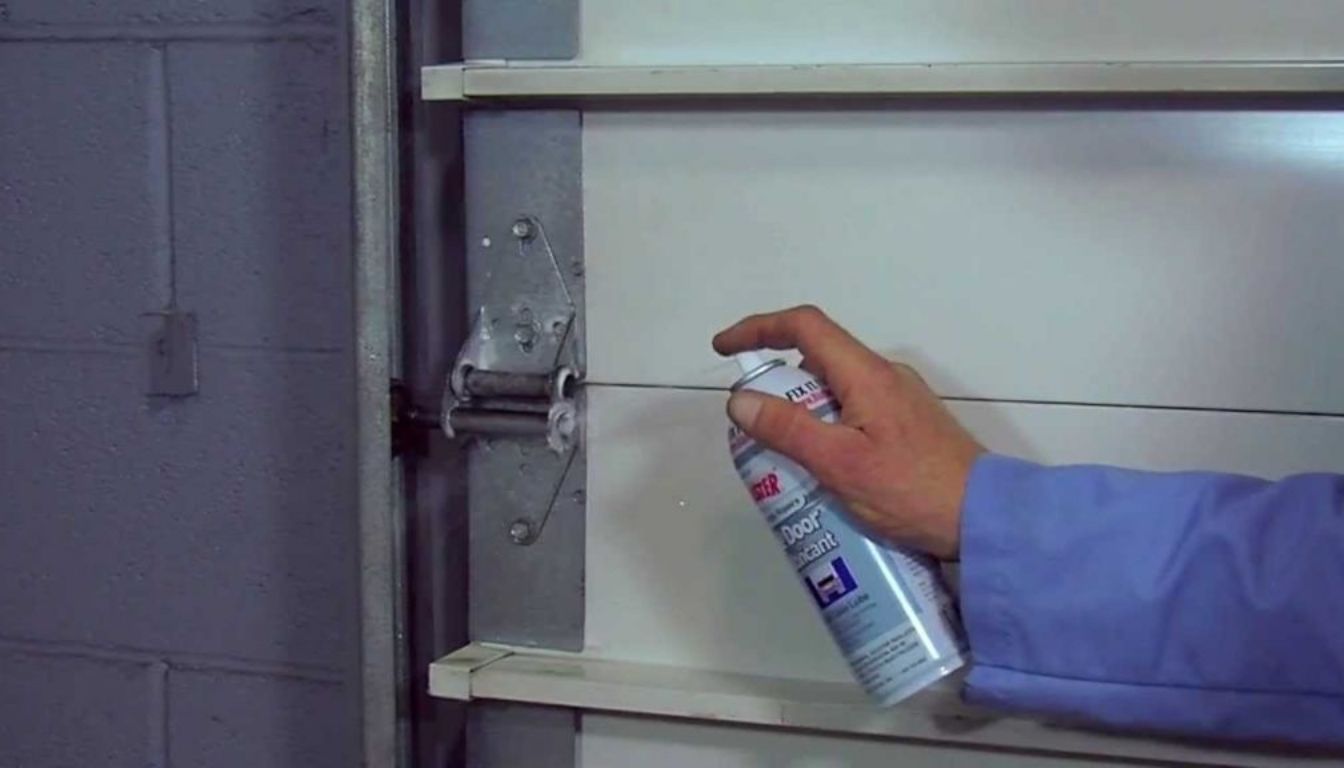
Lubrication. Apply silicone-based lubricant to rollers, hinges, and track guides every six months. Avoid petroleum-based products that attract dust and grime.
Seal inspection. Check perimeter seals annually for cracking or compression. Damaged seals allow water ingress and reduce insulation performance.
Cladding care. Timber-clad folding doors need periodic refinishing—typically every two to three years depending on exposure. Aluminium and Colorbond cladding simply need washing to maintain appearance.
Request a Quote or Consultation
Choosing between sliding and folding garage door systems involves balancing technical requirements, aesthetic goals, and budget. The right solution depends on your specific situation—and that’s where professional guidance makes all the difference.
Impact Doors provides expert advice on garage door solutions for homeowners across Moreton Bay and North Brisbane. With experience across all major brands including B&D, Steel-Line, Centurion, and Best Doors, owner Jarred Turner can help you navigate options and find the right fit for your project.
Call (07) 5451 4022 to discuss your requirements or visit impactdoors.net.au to request an on-site quote. Whether you’re planning a new build, tackling a renovation, or simply exploring your options, we’re here to help you find the perfect garage door solution.
