
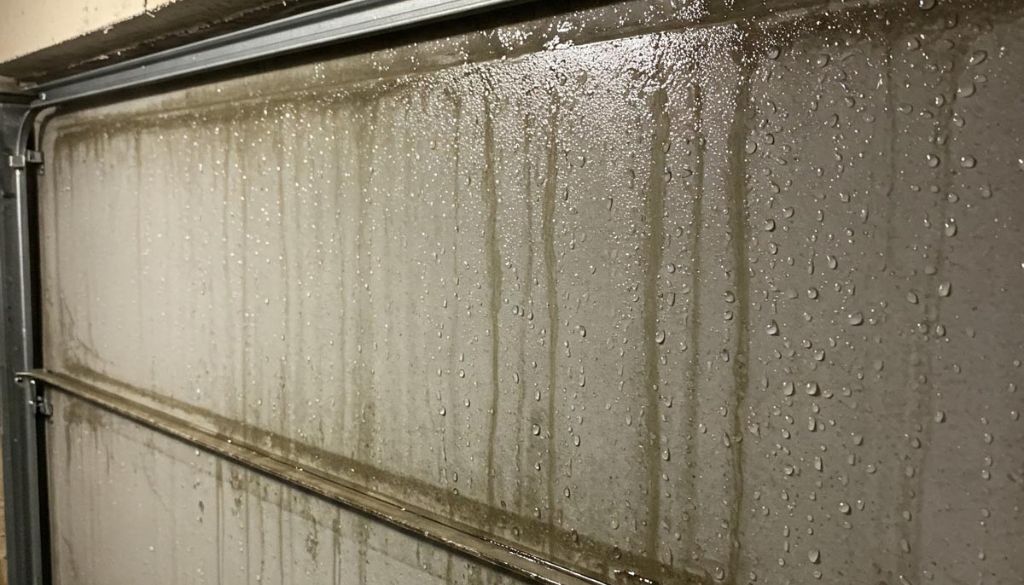
Your garage may be the most overlooked space in your home when it comes to moisture management. Unlike living areas, garages often lack proper ventilation, insulation, and air circulation — creating the perfect environment for humidity to build up. Over time, that excess moisture causes rust on tools, warps timber storage shelves, encourages mould growth, and can even begin to corrode your garage door’s hardware and springs.
Whether you use your garage for parking, storage, a workshop, or a home gym, keeping humidity under control is essential for protecting everything inside. This guide walks you through what causes garage humidity, how to measure it, and the most effective solutions to reduce moisture and keep your garage dry year-round.
Why Humidity Control in a Garage Is Important
Protects Your Vehicle
Vehicles parked in damp garages are exposed to ongoing moisture that gradually accelerates rust and corrosion. Metal body panels, brake components, and the undercarriage are particularly vulnerable. Long-term exposure can lead to costly repairs that far exceed the investment of basic humidity control measures.
Prevents Tool and Equipment Damage
Metal tools rust, wooden handles warp, and sensitive electronics fail when stored in high-humidity environments. If you use your garage as a workshop, controlling moisture is as important as any other aspect of tool care. For more on keeping your garage in top shape, our guide on garage door preventive maintenance covers key steps to protect your equipment and door components alike.
Prevents Mould and Mildew Growth
Mould thrives in environments where humidity exceeds 60%. In a poorly ventilated garage, mould can establish itself on walls, stored boxes, clothing, and even on the door itself. Beyond damaging your belongings, mould affects indoor air quality and can pose health risks for your household.
Improves Comfort and Air Quality
If your garage doubles as a home gym, office, or hobby space, clammy, humid air makes the environment unpleasant and potentially unhealthy. Controlling moisture creates a more comfortable, liveable space regardless of how you use it.
What Causes High Humidity in a Garage?
Understanding the source of moisture is the first step to solving the problem. Common causes of garage humidity include:
- Poor ventilation — stale, moist air has nowhere to escape
- Hot, humid weather conditions common in Queensland and coastal regions
- Vehicles bringing in moisture on wet surfaces and hot engines condensing cool air
- Inadequate insulation allowing temperature swings that cause condensation
- Roof leaks or water ingress through gaps in the floor or walls
- Stored wet or damp items such as outdoor furniture, garden equipment, or sports gear
- Gaps around the garage door allowing humid outside air to enter freely
In Moreton Bay and North Brisbane, the subtropical climate means humidity is a year-round concern — not just a winter condensation problem. The combination of warm temperatures and high atmospheric moisture creates ideal conditions for dampness to accumulate.
Ideal Humidity Levels for a Garage
The generally recommended humidity range for a garage is 40–60%. At levels above 60%, mould growth becomes likely and metal surfaces begin to corrode more rapidly. Below 30%, air becomes uncomfortably dry and some materials like timber can crack.
To monitor your garage’s humidity, invest in a hygrometer — an inexpensive device that measures relative humidity. Place it away from doors and walls for an accurate reading. Checking it regularly gives you a baseline and helps you track whether your control measures are working.
Signs Your Garage Has a Humidity Problem
Not sure if your garage has a moisture problem? Look for these warning signs:
- Condensation on walls, windows, or the garage floor
- Rust forming on tools, springs, hinges, or roller tracks
- A musty or mouldy smell when you open the garage door
- Water stains or damp patches on walls or the ceiling
- Warped or swollen timber shelving, door frames, or stored furniture
- Peeling paint or bubbling coatings on metal surfaces
If you notice rust on your door’s hardware or springs, that moisture exposure may already be causing structural issues. Our team at Impact Doors has seen firsthand how unchecked humidity accelerates component failure. Take a look at our article on moisture and rust damage to garage doors to understand when repairs are needed.
How to Control Humidity in a Garage
1. Improve Garage Ventilation
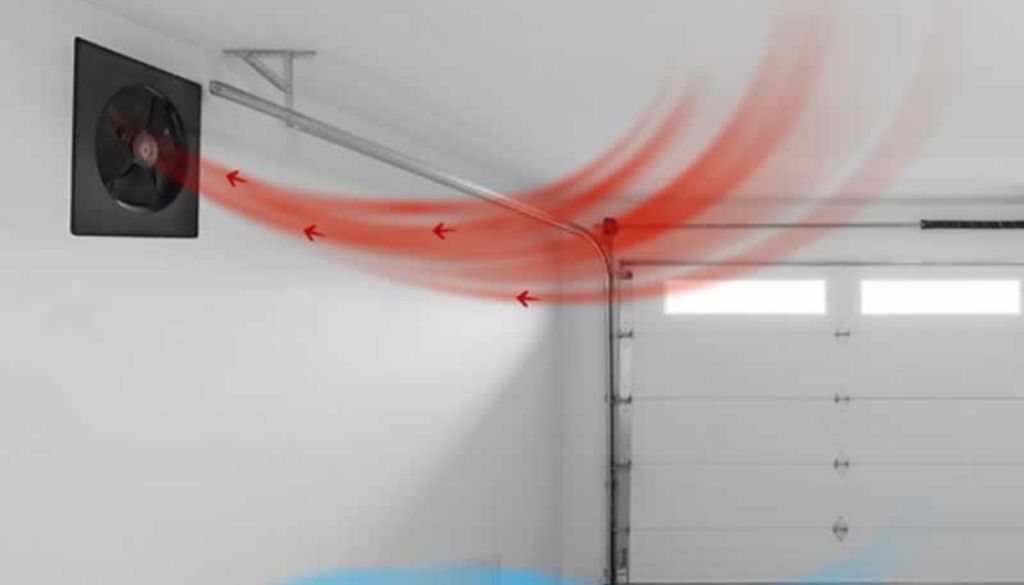
Ventilation is the foundation of effective humidity control. Stagnant air holds moisture; moving air expels it. For adequate ventilation, aim for 4–6 air changes per hour in your garage space.
- Install passive vents near the roofline to allow hot, moist air to escape
- Add an exhaust fan on an exterior wall to actively push humid air outside
- Use a ceiling fan to keep air circulating and prevent moisture settling
In Queensland’s warm climate, even opening garage doors and windows in the morning to allow cross-ventilation can make a significant difference during lower-humidity periods.
2. Use a Garage Dehumidifier
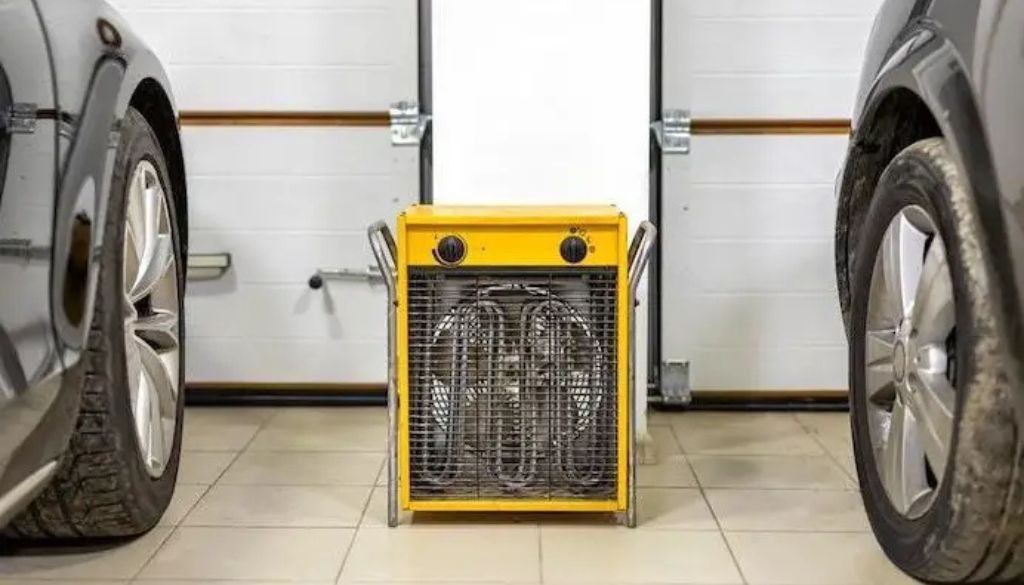
A dehumidifier is one of the most effective tools for reducing moisture in an enclosed garage. For larger garages or spaces with persistent dampness, choose a unit rated for the square footage of your space. Look for models with auto-shutoff, drainage hose options, and built-in humidistats so the unit only runs when needed.
Portable dehumidifiers work well for most residential garages. Position the unit away from walls and ensure the collection reservoir is emptied regularly, or connect a drainage hose for continuous operation.
3. Seal Your Garage Door Properly
Gaps around your garage door are a major entry point for outside humidity. A worn or missing bottom seal allows moist air, rain, and even pests to enter freely. Replacing worn weather seals on the sides and bottom of your door is a straightforward fix that delivers significant results. If you’re considering a full door upgrade with improved sealing, our guide on DIY garage door insulation tips is a good place to start.
4. Insulate Your Garage Door and Walls
An uninsulated garage door allows outside temperature extremes to create rapid temperature swings inside, which leads directly to condensation. Insulated garage doors maintain a more stable internal temperature, reducing the dew-point effect that causes moisture to form on surfaces. Beyond humidity control, insulated doors reduce noise and energy costs. Read more about how insulated garage doors for energy efficiency can make your garage more comfortable year-round.
5. Improve Internal Airflow
Cluttered garages trap moisture between stored items. Poor airflow means humid air lingers in corners and on surfaces. To improve circulation:
- Store bulky items close to walls to keep the centre of the garage clear
- Use shelving units to keep items off the floor and away from walls
- Avoid stacking cardboard boxes directly on the floor, as cardboard absorbs and holds moisture
- Leave space between stored items for air to move freely
Extra Tips to Reduce Garage Moisture
- Do not park a hot or wet vehicle in an enclosed garage immediately — allow it to cool and dry outside first
- Fix roof leaks, cracked concrete floors, or gaps in walls promptly before moisture ingress worsens
- Coat bare concrete floors with a moisture-resistant sealer or epoxy coating to reduce vapour rising from the slab
- Keep the garage clean and organised to allow better airflow
- Check that downpipes and gutters are clear so water is not pooling near the garage perimeter
Quick Reference: Humidity Control Methods
| Method | Benefit |
|---|---|
| Dehumidifier | Removes excess moisture from the air |
| Ventilation | Improves air circulation and airflow |
| Insulation | Stabilises temperature and reduces condensation |
| Door Seals | Blocks outside humidity and rain from entering |
| Exhaust Fans | Actively expels moist air out of the garage |
Frequently Asked Questions
What is the best way to control humidity in a garage?
The most effective approach combines ventilation and a dehumidifier. Ventilation removes moist air continuously, while a dehumidifier actively extracts moisture from enclosed spaces where airflow is limited. Sealing your garage door and insulating walls and the door itself provides lasting improvement.
Do garages need ventilation?
Yes. Without ventilation, moisture from vehicles, stored items, and outside air has no means of escape. Even passive vents near the roofline can significantly reduce humidity levels in a typical residential garage.
Will a dehumidifier work in a garage?
Yes, a dehumidifier is highly effective in enclosed garages with limited natural airflow. Choose a unit sized appropriately for your garage and position it centrally for best results.
Can humidity damage tools stored in a garage?
Absolutely. Metal tools rust, wooden handles warp, and power tools can develop electrical faults from prolonged moisture exposure. Keeping humidity below 60% significantly extends the life of your tools and equipment.
Why is my garage so humid?
The most common causes are poor ventilation, gaps around the garage door, parking wet vehicles inside, and inadequate insulation. In Queensland, the subtropical climate makes humidity management a year-round consideration.
Need Help with Your Garage Door Seals or Insulation?
A well-fitted, properly insulated garage door is one of the most effective tools in your humidity control arsenal. At Impact Doors, we supply and install quality garage doors across Moreton Bay and North Brisbane, including insulated sectional and roller door options that help you maintain a more stable, comfortable garage environment.
Jarred and the Impact Doors team have been trusted by homeowners across the region since 2016, with a 5.0-star rating from over 150 verified reviews. Whether you need a new door with better sealing, a weather seal replacement, or advice on insulation options, we’re here to help.
Call us on (07) 5451 4022 or visit impactdoors.net.au to request a quote or book a service today.
Looking to go further with your garage upgrades? Explore the latest in smart garage door upgrades that can help you monitor and manage your garage environment from anywhere.
