
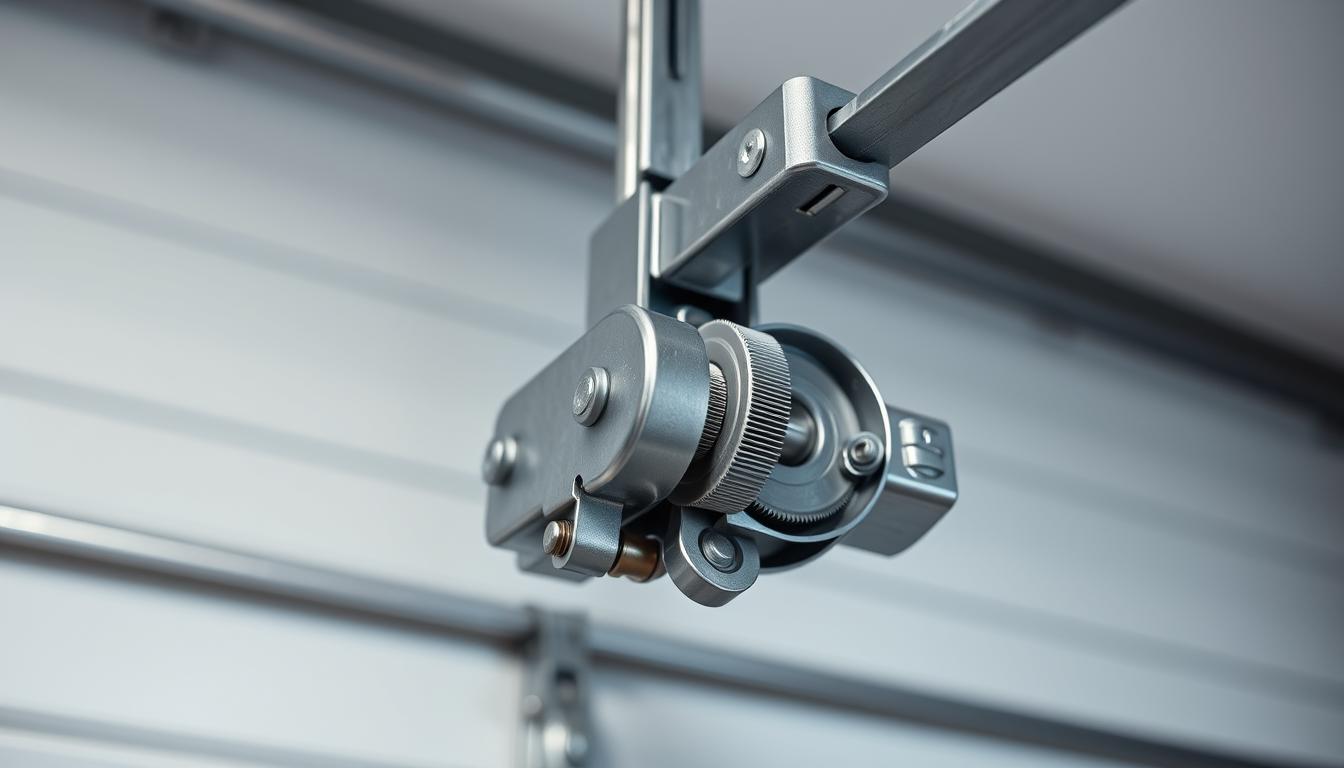
Ever wondered what keeps your tools, car, or outdoor gear safe when you’re not home? Modern security systems for garages blend clever engineering with everyday convenience. These devices act as silent guardians, using physical barriers and smart technology to block unauthorised access to your garage door locks.
When exploring different lock types, it’s worth asking, are garage door seals universal, since the right seal can work alongside your locking mechanism to improve both security and weather protection.
Most systems rely on a keypad or remote to send signals to a control box. This triggers the locking mechanism – either engaging metal bolts or releasing them for entry. High-quality garage door openers work with both automatic openers and manual setups, making them versatile for Aussie homes. To close garage doors securely, these systems are essential.
Why does this matter? A well-installed garage door security system doesn’t just protect belongings. It adds peace of mind, especially in suburbs where break-ins occur. Sensors and alarms often connect to mobile apps, letting you monitor your secure garage space remotely.
Key Takeaways
- Combines physical barriers with electronic signals for layered protection
- Works with remotes, keypads, or manual overrides
- Critical for safeguarding vehicles, tools, and household items
- Modern versions link to smartphones for real-time alerts
- Regular garage door maintenance prevents jams and security gaps
From Brisbane’s humid climate to Melbourne’s cooler zones, these locks adapt to local conditions. Choosing the right type garage door depends on your door’s design and how tech-savvy you want the system to be. Let’s explore what makes them tick – and how to make yours bulletproof.
Understanding Garage Door Locks and Their Importance
Securing your garage isn’t just about protecting stuff – it’s about peace of mind. Many Aussie households store bikes, tools, or even holiday gear in this space, turning it into a goldmine for thieves. But what stops them? A well-designed security setup that blends toughness with smart tech. For situations where your automatic lock mechanism fails or the power goes out, check out our step-by-step guide on manually securing your garage door from the inside for a reliable backup solution.
Your Silent Security Partner
Modern garage door locks do more than click shut. They create a physical barrier that shouts “move along” to would-be intruders. Think heavy-duty deadbolts, fingerprint scanners, or keyless pads – each adding layers to your home security system. These systems work day and night, whether you’re home or halfway to Perth. If you need to open close your garage door, having a reliable garage door opener is essential for both convenience and garage door security.
Why This Matters Down Under
Australian garages often hold $10,000+ in gear – enough to make any thief’s eyes light up. Here’s the kicker: insurance companies reward proper protection. Many offer discounts for homes with certified door locks, recognising their crime-stopping power. In suburbs like Parramatta or Footscray, where break-in rates climb, a sturdy lock can mean keeping your kayak or lawnmower right where you left it. Knowing how to lock garage door securely is vital.
Families gain breathing room too. No more midnight checks to see if the garage’s secure. Just solid protection that lets you focus on what really matters – Sunday barbecues or kids’ soccer practice. Understanding the different types garage door locks can help you choose the best option for your needs.
How Does a Garage Door Lock Work
What transforms your garage from a simple storage space to a fortress? The answer lies in three core elements working together like clockwork. These silent protectors blend physical strength with digital smarts to keep your space secure. If you encounter issues with your manual garage door, knowing how to unlock garage door safely is crucial.
In addition to seal compatibility, homeowners often ask, is a garage door keypad wired, as understanding your keypad’s power source can help you choose the most secure and convenient locking system.

Breaking Down the Essentials
Every security setup starts with three partners in crime prevention. The keypad acts as your digital gatekeeper, reading unique codes like a bouncer checks IDs. Hidden inside your garage, the control box processes these signals faster than you can say “mate”.
The real muscle comes from heavy-duty bolts or electromagnetic plates. These components anchor your door to its frame, creating a barrier that laughs at crowbars. Smart sensors work overtime too, checking if the door sits perfectly closed before engaging protection to securely lock garage door.
Smart Control in Action
Here’s where the magic happens. Punch your code, and the keypad whispers to the control box through hidden wires. This brainy unit decides within milliseconds whether to welcome you home or sound the alarm. Modern versions even send alerts to your phone if someone fumbles with the code, allowing you to open close garage effortlessly.
| Feature | Manual Systems | Automatic Systems |
|---|---|---|
| Power Source | Physical key operation | Electricity + battery backup |
| Key Components | Deadbolts & padlocks | Control panels & sensors |
| Security Level | Basic physical barrier | Multi-layered protection |
| Best For | Rural properties | Urban/suburban homes |
Rain or shine, these systems adapt to Aussie conditions. Backup batteries kick in during blackouts – because Melbourne storms wait for no one. And with low-voltage operation, you won’t see a scary power bill, just reliable security that works while you sleep, making it easy to install garage door systems that keep your space safe.
Types of Garage Door Locks: Manual vs Automatic
What’s the difference between a key jiggler and a tech-powered guardian? Choosing between manual and electronic systems shapes your home’s first line of defence. Let’s unpack what each type brings to your driveway.

Old-School Reliability
Manual locks work like your granddad’s trusty padlock – simple but effective. Turn a key or slide a bolt, and you’ve created a physical barrier thieves can’t bypass without brute force. These door locks shine during blackouts, unaffected by power cuts that cripple fancier systems. To lock garage door securely, these manual garage door options are reliable.
- No wiring or batteries needed
- Affordable upfront costs
- Easy DIY installation
Smart Protection Upgrade
Automatic versions answer modern security headaches. Forget fumbling with keys – a tap on your phone secures the garage door. Advanced models scramble entry codes after each use, foiling tech-savvy burglars. Integration with home networks lets you check statuses from Bondi to Brisbane, allowing you to close garage door from anywhere.
| Factor | Manual | Automatic |
|---|---|---|
| Convenience | Physical operation required | Remote/app control |
| Security Level | Basic deterrent | Encrypted protection |
| Cost Over Time | Low maintenance | Potential tech updates |
Rural homes might prefer manual’s simplicity, while city dwellers often opt for automated vigilance. Either way, regular checks keep both types performing their best – because a stiff bolt or glitchy sensor helps no one. When it comes to door locks security, both systems offer valuable options to secure garage door.
Advanced Lock Technologies and Electronic Systems
Picture this: Your garage door greets you without keys jingling or codes being fumbled. Modern security solutions now blend military-grade protection with smartphone simplicity. Let’s explore two game-changers reshaping Australian home defences.
Keypad Entry: Keys Become History
Electronic keypads ditch metal keys for personalised codes. Change combinations after tradespeople visit or if your teenager shares the digits. Backlit numbers glow in Perth’s dark winters, while weatherproof designs handle Queensland’s summer storms.
These devices auto-lock at set times – perfect for forgetful homeowners. No more midnight dashes to check if you secured the garage door. Just set it once, and the system handles the rest.
Smart Locks: Security in Your Pocket
Control your garage door opener from Bondi to Broome using a phone app. Grant one-time access to delivery drivers or monitor entry attempts through activity logs. Some models even warn if sensors detect forced entry.
| Feature | Keypad Systems | Smart Locks |
|---|---|---|
| Power Source | Batteries | Wi-Fi + Backup Batteries |
| Access Methods | 4-6 Digit Codes | App, Voice, Auto-Unlock |
| Security Level | Code Encryption | Biometric Verification |
| Best For | Rental Properties | Tech-Savvy Households |
While smart technology impresses, remember: strong passwords prevent hacking attempts. Pair these devices with traditional deadbolts for layered protection. Because in home security, two locks beat one – every time.
Installation, Maintenance and Safety Tips
What’s the secret to a lock that lasts decades? It starts with smart setup and consistent care. Whether you’re protecting surfboards in Byron Bay or vintage wines in Adelaide Hills, these practices keep security systems humming.
Proper Installation Practices
Ever tried assembling flat-pack furniture without instructions? Don’t risk it with security gear. Always follow the manual – especially for door openers needing alignment with existing tracks. Magnetic-key models simplify setup, but measuring your garage door’s dimensions first prevents nasty surprises. Consider the type of garage door you have to ensure the right fit for your lock unlock garage system.
How Does a Garage Door Lock Work
| Installation Type | DIY Friendly? | Time Required |
|---|---|---|
| Basic Deadbolts | Yes | 1-2 hours |
| Smart Lock Systems | No | 3-4 hours |
| Commercial-Grade | No | Full Day |
Pro tip: Choose brands offering Aussie-based support. Local expertise matters when humidity warps components or dust storms clog mechanisms.
Regular Maintenance Advice
Think of your garage door like a car – occasional TLC prevents breakdowns. Every three months:
- Wipe grit from rollers
- Lubricate hinges with silicone spray
- Test remote batteries
Coastal homeowners should double-check salt buildup. For automated openers, schedule annual pro checks. Technicians spot worn springs or misaligned sensors before they fail – often saving hundreds in repairs.
Remember: Always disconnect power before adjusting locks. A five-minute safety step beats shocking surprises!
Enhancing Security with Additional Features
Imagine your garage security working like a well-trained guard dog – always alert but never needing walks. Modern systems go beyond basic locks, creating layered defences that adapt to Aussie lifestyles. Let’s explore how smart add-ons turn your space into a fortress.
Integrating Motion Sensors and Alarms
Strategic sensor placement builds an invisible shield around your garage door. These devices spot movement from 10 metres away, switching on floodlights before intruders reach the door. Advanced models ignore possums but trigger alerts for human shapes.
Pair sensors with 110-decibel alarms – louder than a jackhammer. The sudden noise startles criminals and alerts neighbours. Wireless setups let you position units anywhere, even on brick walls or garden sheds.
Remote Monitoring and Surveillance
Check your garage from Cairns to Canberra using HD cameras with night vision. Visible units deter troublemakers, while hidden lenses capture licence plates. Cloud storage keeps footage safe if thieves damage equipment.
Professional monitoring services take protection further. Trained teams watch your home security system 24/7, contacting you and police during breaches. Some providers offer panic buttons for emergencies.
For a complete solution, consider enhancing garage security with integrated tech. Smart systems link cameras, sensors and locks – automatically recording when motion’s detected. Peace of mind? Priceless.
Manual Locking Techniques and Backup Methods
When tech fails or storms knock out power, old-school methods become your best mates. Manual systems offer reliable protection without blinking lights or app updates – just solid mechanical security that’s stood the test of time.
Simple Steps for Hands-On Security
Locking up manually starts with aligning your garage door properly. Push upward until you hear the track click into place. Slide the deadbolt horizontally – if it sticks, rub candle wax on the mechanism. Always test by gently pulling the handle afterwards.
For double protection, add a padlock through the track roller. This stops thieves lifting the door even if they bypass the main lock. Keep keys in a magnetic case under your ute – not above the frame where burglars check first.
Fixing Common Hiccups
Stiff manual locks often mean dirt buildup. Spray WD-40 into the keyhole, then work the key back and forth. If the deadbolt won’t engage, check for door sagging – uneven gaps prevent proper alignment.
Stuck during a midnight snack run? Try lifting the garage door slightly while turning the key. This relieves pressure on misaligned components. For persistent problems, call a locksmith – forcing mechanisms risks permanent damage.
Remember: Manual doesn’t mean maintenance-free. Every six months, check bolts for rust and test emergency release cords. A well-kept system secures garages through blackouts and bushfire seasons alike.
FAQ
Why should I prioritise garage door lock security?
Garage doors are common entry points for intruders. Strong locks like deadbolts or smart systems add a critical layer of protection, especially when integrated with alarms. For Australian homes, where garages often connect directly to living spaces, this prevents easy access to your family and valuables. Installing a garage door opener can also enhance security, allowing you to control access remotely.
What’s the difference between manual and automatic garage door locks?
Manual locks, such as slide bolts or padlocks, require physical engagement. Automatic options, like B&D’s motorised systems, use openers or apps. While manual locks are reliable during power outages, automatic ones offer convenience and advanced features like remote control. Depending on the type garage door you have, the right lock system can make a significant difference.
Can smart locks work with older garage door openers?
Some retrofittable systems, like Tailwind’s iQ3, adapt to older models. Check compatibility with brands like Centurion or Merlin first. Smart locks often need Wi-Fi hubs or updated firmware to function smoothly with vintage setups, allowing you to manage your garage door anywhere.
How often should I service my garage door locks?
Inspect manual locks every three months for rust or misalignment. For automatic systems, test responsiveness monthly and lubricate tracks biannually. Schedule professional maintenance yearly—companies like LockSmart offer tailored packages for Australian conditions.
What backup security works during power failures?
Keep a manual lockbox with keys near the garage or install a dual-powered system like Yale’s Real Living deadbolt. Roller doors can use slide bolts, while tilt doors benefit from heavy-duty padlocks on side tracks. Always have a torch nearby!
Are keyless entry systems vulnerable to hacking?
Modern encryption in devices like Avantek’s keypads reduces this risk. Avoid basic codes like “1234” and enable two-factor authentication where possible. Regularly update software to patch vulnerabilities—manufacturers like Alibaba often release security patches.
Can I install motion sensors without rewiring my garage?
Wireless options from Arlo or Swann use adhesive mounts and batteries. These sync with existing smart home hubs via Bluetooth or Wi-Fi. Position sensors near entry points and adjust sensitivity to avoid false alarms from pets or wind.
Why does my automatic lock sometimes jam?
Dust buildup, misaligned tracks, or worn gears often cause jams. Clean the mechanism with compressed air and check for obstructions. If the issue persists, contact specialists like DoorCare Australia—forcing the lock could damage the opener’s motor.
