
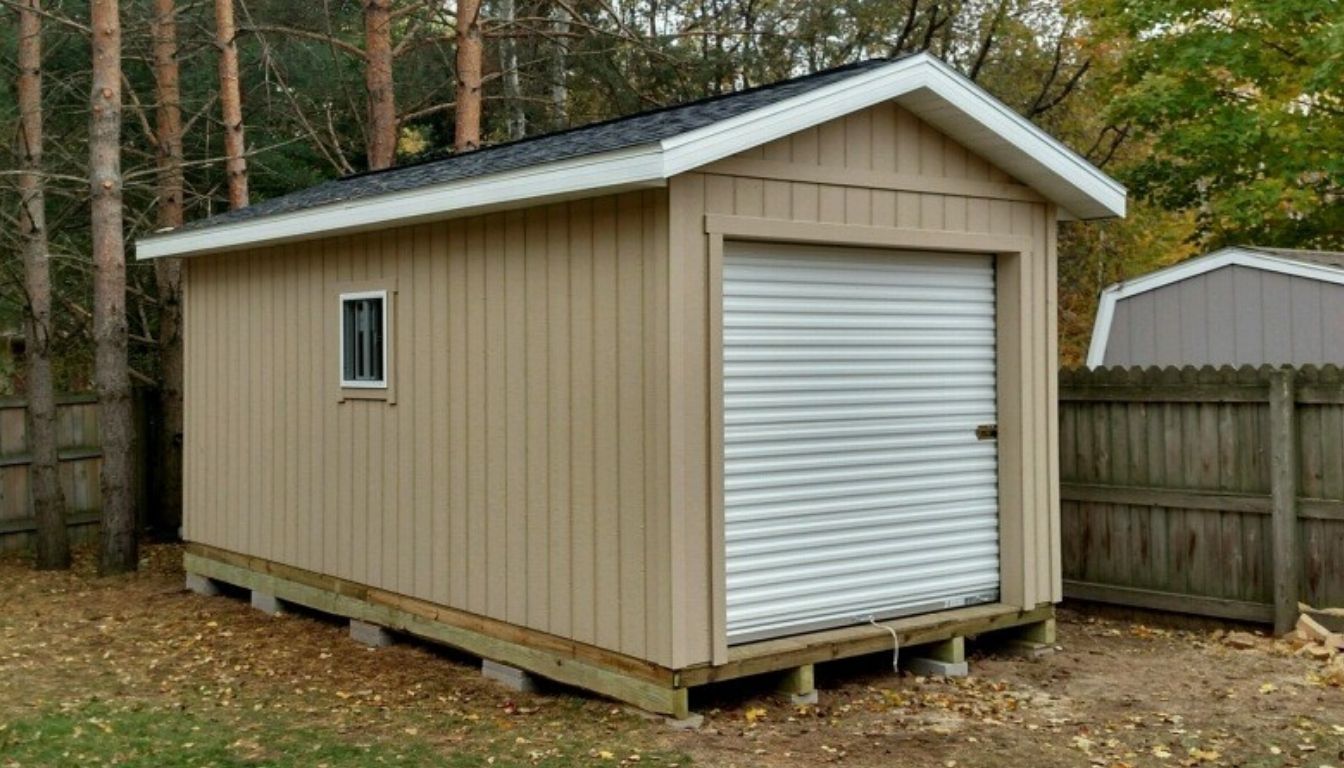
A proper door transforms a basic shed from awkward storage space into a genuinely useful part of your property. If you’ve ever wrestled a ride-on mower through narrow hinged doors or struggled to fit a trailer into a tight opening, you already know the frustration that a roll-up garage door eliminates.
Roll-up doors (also called roller doors) coil vertically above the opening, taking up virtually no floor space inside or swing clearance outside. They’re the go-to solution for garden sheds, workshop spaces, and rural storage buildings where access matters as much as security.
Whether you’re retrofitting an existing shed or planning a new build, this guide covers everything you need to choose the right roll-up door—from manual versus motorised options to wind ratings, materials, and installation considerations.
Why Choose a Roll-Up Garage Door for Your Shed?
Roll-up doors offer practical advantages that hinged or sliding doors simply can’t match in most shed applications. When selecting the best door type for your shed, it helps to understand the key differences between a roller door vs panel lift to determine which style offers the space-saving benefits your shed requires.
Maximum clear opening. The entire doorway remains unobstructed when open. No panels swinging into walkways, no tracks eating into floor space. You get the full width and height of your opening for moving equipment in and out.
Perfect for tight spaces. Sheds tucked down side yards or positioned close to fences benefit enormously from vertical operation. There’s no swing clearance to worry about—the door rolls straight up into a compact drum above the opening.
Security and weather protection. Quality roller doors lock securely at the base and seal against weather better than most hinged alternatives. Wind-rated models handle gusts that would damage flimsy panel doors.
Easy automation. Adding a motor to a roller door is straightforward, giving you remote-control convenience without major modifications.
Types of Roll-Up Garage Doors for Sheds
Manual Roller Doors
Manual roller doors operate with a simple lift-and-pull action. Spring tension in the drum assembly counterbalances the door weight, making operation surprisingly easy even on larger openings. A keyed lock at the base provides security.
These doors suit sheds where you don’t need frequent access or where running power isn’t practical. They’re also the most budget-friendly option, with fewer components to maintain or repair over time.
Automatic Roller Doors
Motorised roller doors use an electric opener mounted inside the drum assembly. Brands like Merlin, ATA (Automatic Technology Australia), and Grifco offer reliable motor units compatible with most roller door systems. You control the door via remote, wall button, or smartphone app.
Automatic operation makes sense when you access the shed frequently—particularly if you’re driving a vehicle or mower in and out. The convenience of opening the door before you even reach the shed is hard to overstate on a rainy day.
Roller Doors vs Roller Shutters
The terms are often used interchangeably, but there’s a technical distinction. Roller doors typically use continuous steel curtain material designed for garage and shed applications. Roller shutters use interlocking slats and are more common on shopfronts and commercial buildings.
For residential sheds, you’ll almost always want a roller door rather than a commercial shutter—they’re lighter, quieter, and more cost-effective for typical opening sizes.Before purchasing a roll up door for your shed, review our standard garage door sizes guide to ensure you select the correct dimensions for your opening.
Shed Roller Door Kits vs Full Shed Packages
You have two main paths to getting a roller door on your shed: retrofit an existing structure or buy a complete shed package with an integrated door.
Retrofit Kits for Existing Sheds
Retrofit roller door kits come sized to fit standard openings or can be custom-ordered for non-standard dimensions. Suppliers like DoorSupply and Centurion offer kits with everything included: the door curtain, drum assembly, guides, locks, and mounting hardware.
Custom sizing is the key advantage here. Whether your shed opening is 1800mm wide or 3600mm, you can order a door to fit precisely. Colorbond and Zincalume finishes let you match existing shed colours or complement your property’s aesthetic.
Sheds with Integrated Roller Doors
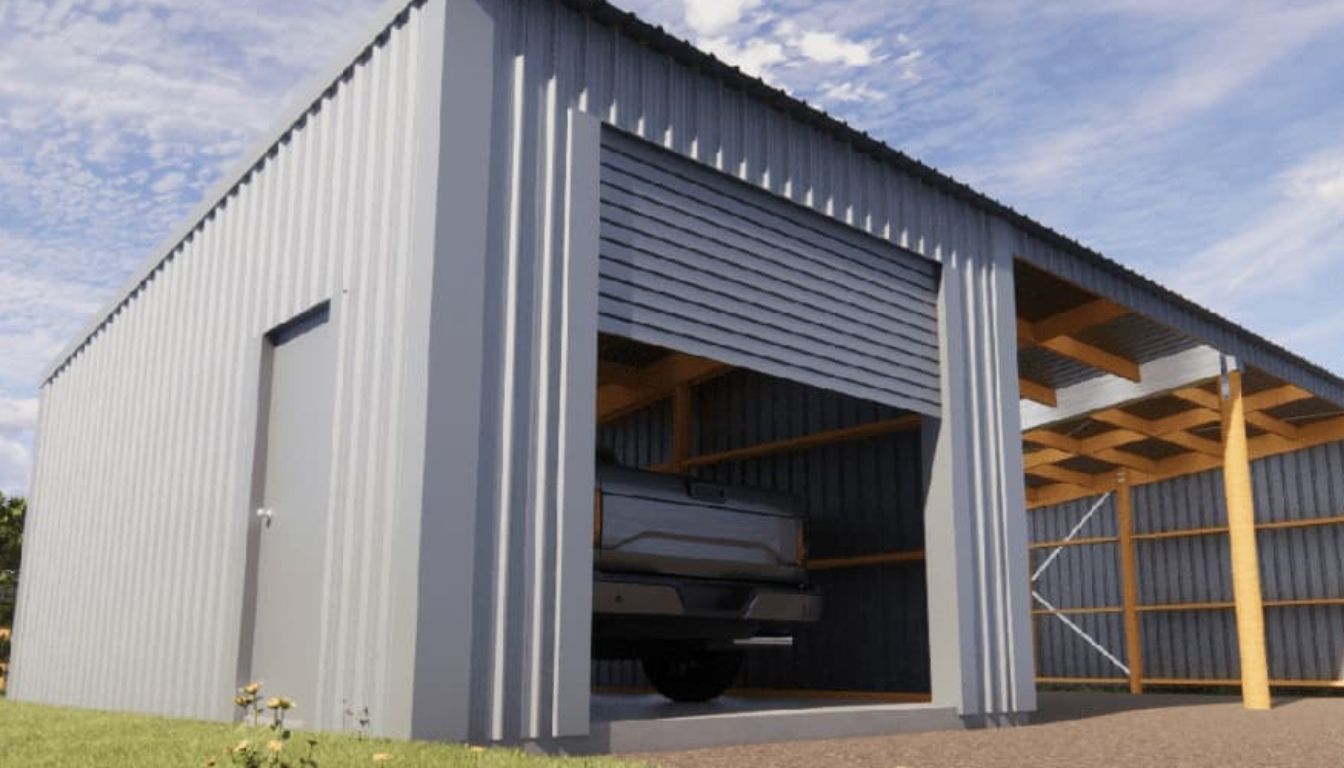
If you’re buying a new shed, many manufacturers offer models with roller doors already integrated. Brands like Absco, SteelChief, Spanbilt, and Buffalo Built produce shed packages where the door is engineered as part of the structure from the start.
These turnkey solutions simplify the buying process—one order, one delivery, and components designed to work together. They’re particularly appealing for DIY installers who want everything to fit without modifications.
Key Considerations When Choosing a Shed Roller Door
Selecting the right door involves more than picking a size. Here’s what to evaluate:
Opening size and headroom. Measure your opening width and height carefully. You’ll also need clearance above the opening for the drum assembly—typically 300mm to 400mm depending on door size. Slimline models reduce headroom requirements for low-ceiling installations. Accurate measurements are critical for a proper fit—follow our step-by-step garage door measuring and sizing guide to avoid costly installation mistakes on your shed project.
Wind rating. Australian conditions demand doors rated for local wind zones. Coastal and exposed rural properties may need wind-lock systems that secure the door against uplift. Check the door’s certification against your area’s requirements.
Manual vs electric. Consider how often you’ll use the door and whether power is available. Retrofitting a motor later is possible, but planning for automation upfront often proves more economical.
Shed compatibility. Ensure your shed’s framing can support the door and drum assembly. Timber-framed sheds may need reinforcement; steel sheds typically accommodate roller doors without modification.size
Materials & Colour Options
Most shed roller doors use steel curtain material in one of two finishes:
Colorbond steel offers a factory-applied colour coating that resists fading, chipping, and corrosion. The full Colorbond palette is typically available—popular choices include Woodland Grey, Monument, Surfmist, and Pale Eucalypt for blending with Australian landscapes.
Zincalume provides a metallic silver finish with excellent corrosion resistance. It’s often the more affordable option and works well where colour matching isn’t critical or you prefer the industrial aesthetic.
Matching your roller door to existing fencing, roofing, or shed walls creates a cohesive look. Most suppliers can match any current Colorbond colour.
Installation: DIY or Professional?
Roller door installation is within reach for confident DIYers, though professional fitting ensures optimal performance and warranty coverage. Want to budget for your shed door project? Our comprehensivegarage door and installation cost guide provides pricing breakdowns for roller doors, automation, and professional installation.
| DIY Installation | Professional Installation |
| Lower upfront cost | Guaranteed correct tensioning |
| Satisfaction of completing it yourself | Full warranty coverage |
| Requires basic tools and skills | Quick completion (1–2 hours) |
| Allow half a day for first-timers | Advice on maintenance and operation |
If you choose DIY, accurate measuring is critical. Measure the opening width at multiple points (top, middle, bottom) and use the smallest measurement. Check that the opening is square by comparing diagonal measurements. Most suppliers provide detailed PDF installation guides with their kits.
Price Guide: What to Expect
Roller door pricing varies with size, material, and features. Here’s a general guide for Australian buyers:
- Manual roller door kits: $350–$800 depending on size and finish
- Wind-rated upgrades: Add $100–$250 for wind-lock systems
- Motor/automation: $300–$600 for opener unit plus installation
- Complete shed packages with roller door: $1,500–$5,000+ depending on shed size
Custom sizes and Colorbond colours may attract small premiums over standard options. Getting quotes from multiple suppliers ensures you’re comparing like-for-like specifications.
Maintenance & Durability Tips
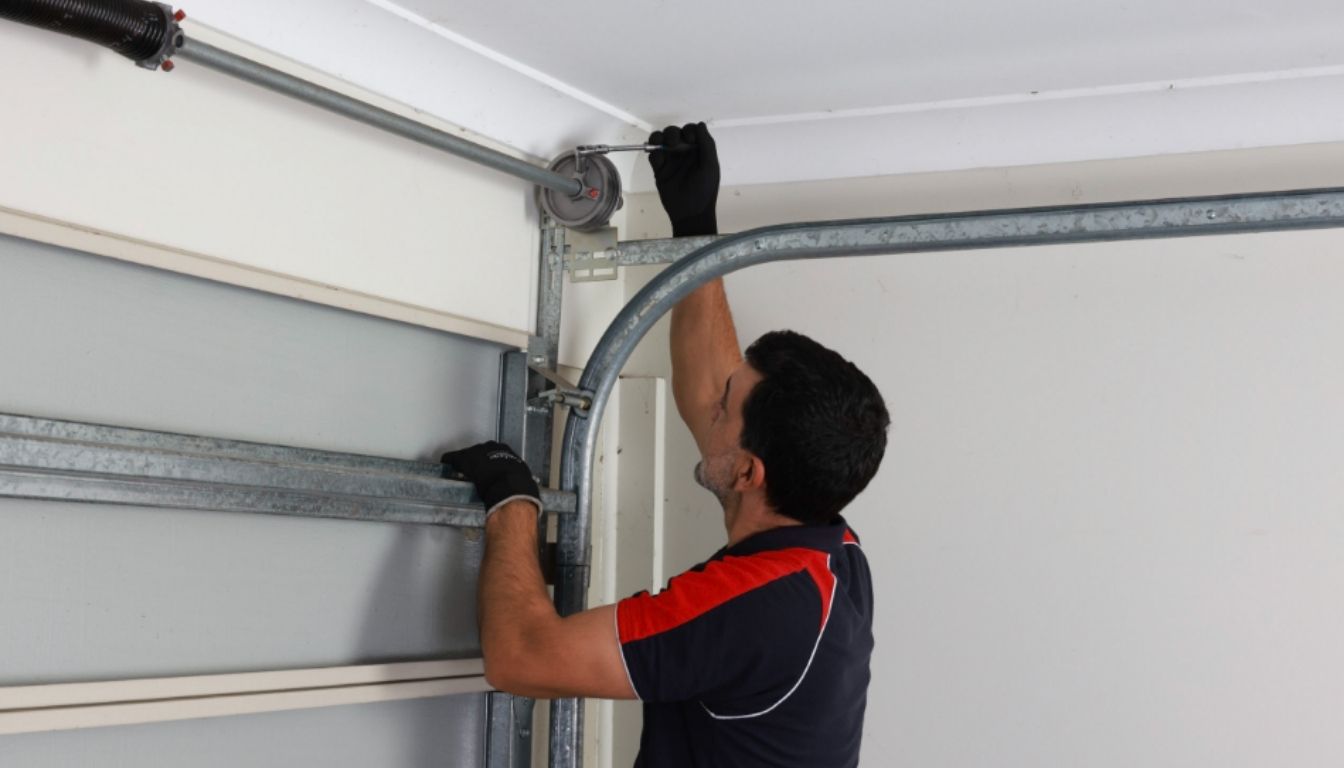
Once your roll up shed door is installed, keep it running smoothly by following our rollup overhead garage door maintenance guide to prevent common issues and extend its lifespan. Roller doors require minimal maintenance but benefit from occasional attention:
Keep tracks clean. Clear debris, leaves, and dirt from the guide channels. A quick brush every few months prevents binding.
Lubricate moving parts. Apply silicone spray to the drum bearings and guide rollers annually. Avoid petroleum-based lubricants that attract dust.
Inspect for damage. Check the curtain for dents, rust spots, or misalignment. Small dents are cosmetic; significant damage can affect operation.
Service automatic openers. Motorised doors benefit from annual professional servicing to check tension, limit settings, and safety features.
Frequently Asked Questions
Can I add a roller door to my existing shed?
Yes. Retrofit kits are specifically designed for this purpose. You’ll need adequate headroom above the opening and framing capable of supporting the door assembly. Most steel and timber sheds accept roller doors with minimal modification.
How much space do I need above the door?
Standard roller doors need 300–400mm of headroom for the drum assembly. Slimline models reduce this to around 200mm, making them suitable for sheds with limited ceiling clearance.
Are roller doors secure?
Quality roller doors include keyed locks at the base that secure the curtain to the guides. They’re more difficult to force than hinged doors and can be fitted with additional security measures like padlock provisions.
Can I automate a manual shed roller door later?
Absolutely. Most manual roller doors can be upgraded with a motor unit. You’ll need power to the shed (either mains or solar) and a compatible opener. A qualified installer can assess your existing door and recommend suitable motor options.
Will a roller door work in a tight side yard?
Roller doors are ideal for confined spaces. Because they operate vertically, there’s no swing clearance required in front of or beside the opening—perfect for sheds positioned against fences or property boundaries.
Ready to Upgrade Your Shed Access?
Whether you’re retrofitting an existing shed or planning a new build, the right roller door makes all the difference to everyday usability. From manual budget options to fully automated systems, there’s a solution for every shed and every budget.
Impact Doors helps homeowners across Moreton Bay and North Brisbane find the perfect garage door solutions—including roller doors for sheds, workshops, and outbuildings. With experience across leading brands and 24/7 availability for urgent repairs, owner Jarred Turner delivers expert advice backed by a 5-star reputation from over 150 customer reviews.
Call (07) 5451 4022 to discuss your shed roller door options or visit impactdoors.net.au to request a quote. From measuring and selection through to professional installation, we’re here to make your shed upgrade simple and stress-free.
