
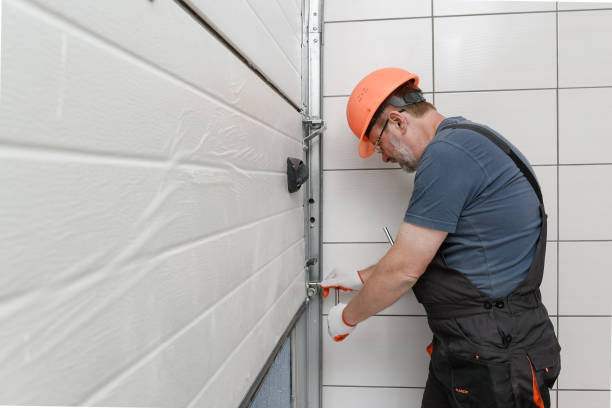
If you’ve ever stepped into your garage on a sweltering Gold Coast summer day or a chilly winter morning, you’ve probably wondered whether insulating your garage door would make a difference. The short answer is yes—insulating your garage door can significantly improve comfort, energy efficiency, and even the lifespan of your door. But like most home improvement decisions, the full answer depends on how you use your garage, the type of door you have, and your local climate.
In this comprehensive guide, we’ll explore the benefits of garage door insulation, the materials available, and whether it’s worth the investment for your home in Moreton Bay and North Brisbane.
Why Garage Door Insulation Matters
Your garage door is one of the largest moving parts of your home, and if it’s uninsulated, it acts like a giant thermal conductor. Heat floods in during summer, cold seeps in during winter, and your attached living spaces suffer the consequences.
Energy Efficiency and Cost Savings
An insulated garage door creates a thermal barrier that helps regulate temperature. If your garage shares a wall with your home—which most modern Australian homes do—an uninsulated door forces your air conditioning or heating system to work harder. This means higher electricity bills and unnecessary energy waste. One of the most effective insulation upgrades is using energy-efficient polyurethane insulation, which offers excellent R-value and long-term savings.
While insulation won’t transform your garage into a perfectly climate-controlled space, it can reduce the temperature fluctuation by several degrees. In Queensland’s subtropical climate, where summer temperatures regularly exceed 30°C, even a modest improvement can make a noticeable difference to both comfort and running costs.
Improved Comfort for Multi-Use Garages
More Australian homeowners are converting their garages into functional living spaces—home gyms, workshops, offices, teenage retreats, or hobby rooms. If you’re using your garage for anything beyond parking cars and storing tools, insulation becomes essential rather than optional.
An insulated door helps maintain a more stable temperature, making these spaces usable year-round. Whether you’re working on a DIY project, exercising, or just grabbing something from storage, you won’t be battling extreme heat or cold.
Noise Reduction
One often-overlooked benefit of insulation is sound dampening. An insulated garage door operates more quietly than an uninsulated one, reducing the rattling, banging, and vibration that can disturb your household—especially if bedrooms are located above or adjacent to the garage.
Quality insulation can reduce operational noise by up to 18 decibels, making a significant difference during early morning or late evening use. This is particularly valuable in suburban areas where noise considerations matter to both your family and your neighbors.
Protection for Stored Items
Garages often house more than just vehicles. Paint, tools, sporting equipment, garden supplies, and even chest freezers are commonly stored in garages. Extreme temperature swings can damage paint and chemicals, warp wooden items, and reduce the efficiency of appliances. Improving insulation isn’t just about comfort — energy-efficient garage door installation can slash heat loss and make your whole home more sustainable.
Insulation helps create a more stable environment, protecting your stored belongings from the worst effects of heat and humidity. For coastal residents in areas like Moreton Bay, this added protection against moisture-related issues can prevent rust and corrosion over time.
Increased Durability and Door Lifespan
Insulated garage doors are typically constructed with more robust materials and reinforced panels. This added structural integrity means the door is less prone to denting, warping, and other damage. The insulation itself also acts as a buffer against impact, whether from basketballs, bicycles, or accidental bumps.
In addition, because insulated doors reduce thermal stress on components, your springs, cables, and opener may experience less wear and tear over time, potentially reducing maintenance costs.
Understanding Insulation Materials and R-Values
Not all garage door insulation is created equal. The effectiveness of insulation is measured by its R-value—the higher the number, the better the thermal resistance. When deciding should I insulate my garage door, it helps to refer to our detailed garage door R-values guide to understand how different insulation materials affect thermal performance.
Common Insulation Materials
Polystyrene (EPS): A lightweight foam often used in sectional garage doors. It’s affordable and offers moderate insulation with R-values typically around 1.0 to 1.4. Some premium versions are graphite-infused for improved performance.
Polyurethane Foam: This is injected directly into the door panels, creating a seamless thermal barrier. It offers higher R-values (usually 1.5 to 2.0 or more) and adds structural strength to the door. Polyurethane is generally more expensive but provides superior insulation and durability. To choose wisely, compare polyurethane vs foam insulation — our breakdown helps you weigh cost, performance, and longevity.
Polyester Insulation: A non-toxic, environmentally friendly option that’s becoming increasingly popular in Australian markets. It performs well in humid climates and doesn’t absorb moisture.
Reflective Foil: Sometimes used as an additional layer, reflective foil helps deflect radiant heat. While it’s not sufficient on its own, it can enhance the performance of other insulation materials, particularly in hot climates.
Fiberglass Batts: More common in DIY projects, fiberglass is effective but can be tricky to install properly and may pose health risks if not handled with protective equipment.
What R-Value Should You Aim For?
In Australia, an R-value between 1.0 and 2.0 is generally recommended for garage doors. Higher values are better if you’re converting your garage into a living space or if the garage is attached to climate-controlled rooms.
It’s important to note that R-values can be somewhat misleading if other factors aren’t addressed. Even the best-insulated door won’t perform well if your garage has poor seals, gaps around the frame, or uninsulated walls and ceiling.
Types of Garage Doors and Insulation Suitability
The type of garage door you have will influence your insulation options.
Sectional Garage Doors
These doors are made of horizontal panels hinged together, and they’re ideal candidates for insulation. Factory-insulated sectional doors typically feature polyurethane foam injected between steel or aluminum skins. If you have an uninsulated sectional door, retrofit insulation kits are available, though professional installation is often recommended for best results.
Roller Doors
Traditional single-skin roller doors are more challenging to insulate effectively due to their construction. However, some modern roller doors come with insulated slats or double-skinned designs. If you have an older roller door, retrofitting insulation is generally not practical—upgrading to an insulated model is usually the better option.
Tilt Doors
These one-piece doors can be insulated with foam board or batts, but the process requires careful measurement and installation to avoid affecting the door’s balance and operation.
If you’re unsure about your door type or the best insulation approach, consulting with a local garage door specialist can save you time and money.
DIY Insulation vs Professional Installation
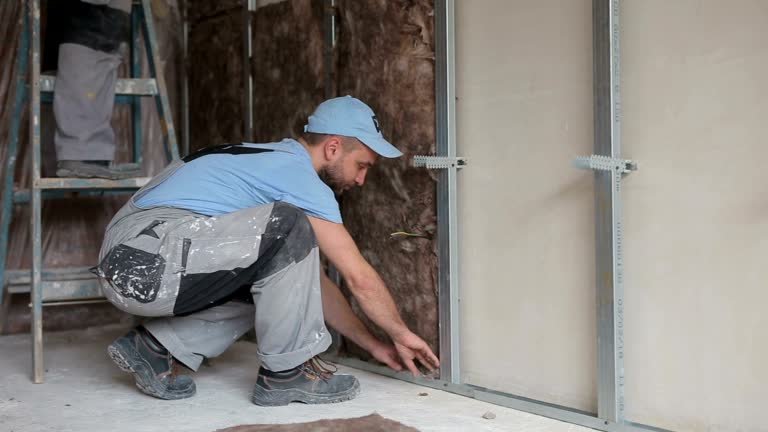
Many homeowners consider DIY insulation kits as a cost-effective solution. While it’s possible to insulate a sectional garage door yourself using foam boards or reflective foil, there are some important considerations.
DIY Challenges
Installing insulation requires precise measurements, proper adhesives, and an understanding of your door’s operation. Incorrectly installed insulation can add weight to the door, throwing off the spring tension and potentially causing the opener to strain or fail. Gaps and poor adhesion can also reduce effectiveness and create moisture traps.
Additionally, DIY insulation rarely achieves the same thermal performance as factory-insulated doors or professionally installed systems. The difference in R-value and long-term durability can be significant.
Professional Installation Benefits
Professional installation ensures that the insulation is fitted correctly without compromising the door’s operation or balance. Technicians can also inspect your door’s condition, adjust spring tension if needed, and recommend complementary upgrades like weatherseals or bottom seals to maximize performance. In addition to insulation, investing in quality weather-stripping installation helps seal gaps and prevent drafts for a more efficient, insulated garage.
For homeowners in the Moreton Bay and North Brisbane regions, working with experienced local professionals ensures compliance with Australian building standards and optimal performance in our unique climate.
Signs Your Garage Door Needs Insulation
Not sure if insulation is necessary? Here are some telltale signs:
- Temperature extremes: Your garage feels like an oven in summer or an icebox in winter
- High energy bills: Rooms adjacent to the garage are expensive to heat or cool
- Condensation and moisture: You notice sweating walls, damp spots, or mould growth
- Excessive noise: The door is loud and disruptive during operation
- Deteriorating stored items: Paint is separating, tools are rusting, or equipment is failing prematurely
If any of these issues sound familiar, insulation could be a worthwhile investment.
The Gold Coast Climate Factor
Living in Queensland’s subtropical climate presents unique challenges. High humidity, intense summer heat, and the occasional cool winter morning all impact how your garage—and by extension, your home—performs.
Coastal homes also face the added challenge of salt air, which accelerates corrosion on metal components. An insulated garage door with quality seals helps protect against moisture infiltration, reducing rust and extending the life of your door’s hardware.
Complementary Improvements
Insulating your garage door is most effective when combined with other improvements:
- Weatherseals and threshold seals: Prevent drafts and moisture entry
- Ceiling and wall insulation: Further stabilize the garage temperature
- Upgraded garage door opener: Modern motors operate more efficiently with insulated doors
- Windows or ventilation: Balance insulation with adequate airflow to prevent moisture buildup
Cost Considerations and ROI
While insulating your garage door requires an upfront investment, the return comes in multiple forms: lower energy bills, improved comfort, reduced maintenance costs, and increased property value.
Factory-insulated doors typically cost more than uninsulated models, but they offer superior performance and longevity. Retrofit insulation kits are less expensive but may not deliver the same results. The best approach depends on your budget, door condition, and intended use of the space.
For an accurate assessment and quote, it’s worth contacting a local garage door expert who can evaluate your specific situation.
Is Insulation Right for You?
If you answer yes to any of these questions, insulating your garage door is likely a smart investment:
- Is your garage attached to your home?
- Do you use your garage as a workshop, gym, or living space?
- Are you concerned about energy efficiency?
- Do you experience noise issues with your current door?
- Are you planning to convert or renovate your garage?
Even if your garage is detached, insulation still offers benefits—particularly if you spend time in the space or store valuable items there.
Frequently Asked Questions
How much does it cost to insulate a garage door?
The cost varies depending on whether you’re retrofitting insulation to an existing door or purchasing a factory-insulated door. DIY insulation kits typically range from $100 to $300, while professional installation can cost between $300 and $800. Factory-insulated doors are generally $200 to $600 more expensive than uninsulated models, but they offer superior performance and durability. The investment often pays for itself through energy savings and increased home value.
Can I insulate my garage door myself?
Yes, you can insulate a sectional garage door yourself using foam board insulation kits available from hardware stores. However, DIY installation requires careful measurement, proper adhesive application, and consideration of the door’s weight balance. Poorly installed insulation can affect spring tension and door operation. For roller doors or if you’re unsure about the process, professional installation is recommended to ensure optimal performance and avoid potential damage.
Will insulating my garage door really lower my energy bills?
Yes, particularly if your garage is attached to your home. An insulated garage door creates a thermal barrier that reduces heat transfer, meaning your heating and cooling system doesn’t have to work as hard to maintain comfortable temperatures in adjacent rooms. While the savings depend on factors like your home’s layout, insulation quality, and climate, many homeowners see noticeable reductions in energy costs, especially during extreme weather.
What’s the best R-value for a garage door in Queensland?
For Queensland’s subtropical climate, an R-value between 1.0 and 2.0 is generally recommended. If you’re using your garage as a workshop, gym, or living space, aim for the higher end of this range (R-1.5 to R-2.0 or above). Higher R-values provide better thermal resistance, but remember that overall performance also depends on proper sealing, weatherstripping, and the insulation of your garage’s walls and ceiling.
Can roller doors be insulated?
Traditional single-skin roller doors are difficult to insulate effectively due to their construction and rolling mechanism. However, modern double-skinned or insulated roller doors are available and provide good thermal performance. If you have an older, uninsulated roller door and want better insulation, upgrading to a new insulated model is typically more practical and effective than attempting to retrofit insulation.
How long does garage door insulation last?
Quality garage door insulation can last 15 to 20 years or more when properly installed and maintained. Factory-insulated doors with polyurethane foam typically outlast retrofit insulation kits. The longevity also depends on environmental factors like humidity, temperature fluctuations, and how often the door is used. Regular maintenance and inspection can help extend the life of both the insulation and the door itself.
Will insulation make my garage door too heavy?
This is a valid concern, especially with DIY insulation projects. Adding insulation does increase the door’s weight, which can affect spring tension and the garage door opener’s performance. Factory-insulated doors are engineered with the extra weight in mind, and professional installers will adjust spring tension as needed. If you’re adding insulation yourself, it’s important to use lightweight materials and have a technician check the door’s balance afterward.
Does an insulated garage door help with condensation?
Yes, insulation significantly reduces condensation by minimizing the temperature difference between the door’s interior and exterior surfaces. In Queensland’s humid climate, condensation can lead to mould growth, rust, and deterioration of stored items. An insulated door combined with proper weathersealing and adequate ventilation helps maintain more stable temperatures and reduces moisture problems.
Can I insulate just part of my garage door?
While technically possible, partial insulation is not recommended. Insulating only certain panels creates uneven weight distribution, which can throw off the door’s balance and cause operational problems. It also reduces the overall thermal effectiveness. For best results, insulate the entire door uniformly or choose not to insulate at all.
Is insulation worth it if my garage is detached?
Even for detached garages, insulation offers benefits—though they may be less dramatic than for attached garages. If you use the space as a workshop, store temperature-sensitive items, or plan to spend significant time there, insulation improves comfort and protects your belongings. Insulation also reduces noise and increases the door’s durability, making it worthwhile even without the energy-saving benefits to your main home.
Ready to Upgrade Your Garage Door?
Insulating your garage door is one of the most cost-effective improvements you can make to enhance comfort, reduce energy costs, and protect your home. Whether you’re dealing with Queensland’s summer heat, reducing noise, or planning a garage conversion, insulation delivers real, measurable benefits.
If you’re in the Moreton Bay or North Brisbane area and want expert advice on garage door insulation, Impact Doors can help. With extensive experience servicing all major brands and a commitment to quality workmanship, we offer on-site quotes, professional installation, and emergency repairs when you need them.
Contact Impact Doors today:
Phone: (07) 5451 4022
Website: impactdoors.net.au
Location: Serving Moreton Bay and North Brisbane
Don’t let an uninsulated garage door cost you comfort and money—get in touch with the local experts and discover the difference quality insulation can make.
