
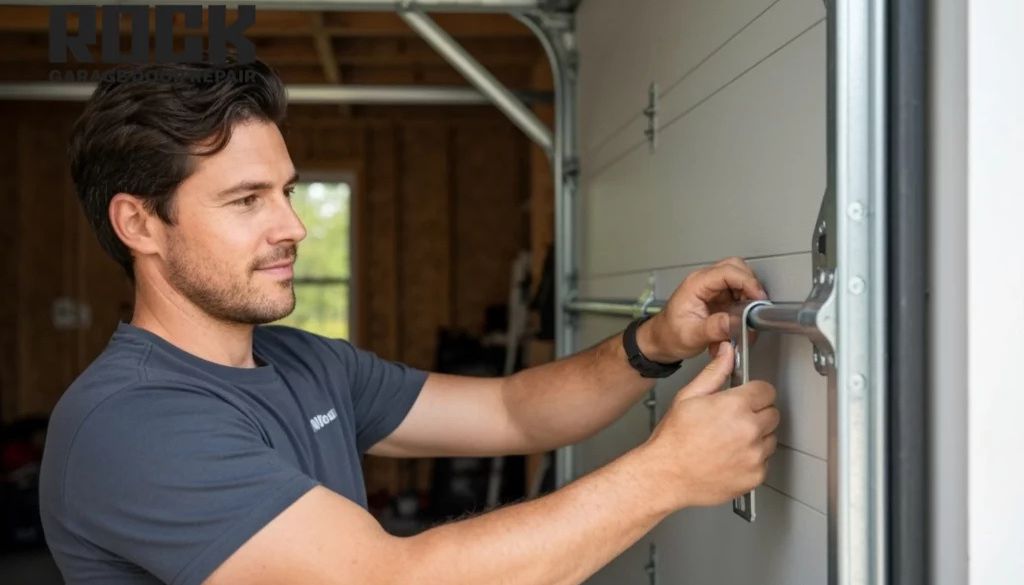
Most homeowners never think about manually locking their garage door — until the power goes out, the motor fails, or they need to leave for a holiday and want extra peace of mind. Knowing how to manually lock a garage door from inside is a practical skill every homeowner should have up their sleeve.
Whether you’re dealing with a garage door opener failure, a blown fuse, or simply want to boost your security while away, this step-by-step guide covers everything you need to know — from using the emergency release cord to installing a manual slide bolt lock.
If you’re ever unsure about the condition of your door before attempting manual operation, don’t hesitate to call the team at Impact Doors (impactdoors.net.au) — we serve homeowners across Moreton Bay and North Brisbane with same-day garage door support.
When You Need to Manually Lock a Garage Door
There are several common situations where knowing how to secure your garage door manually becomes essential:
- Power outages — storm, blackout, or tripped circuit
- Garage door opener malfunction or motor failure
- Remote battery failure or lost remote
- Extended time away from home (holidays, travel)
- Security concerns — wanting an extra layer of protection beyond the opener
In any of these situations, relying solely on your opener motor to keep intruders out is risky. A manual garage door lock gives you physical security that doesn’t depend on electricity.
Safety Tips Before Locking Your Garage Door Manually
Before touching the release cord or attempting to close your door by hand, run through these safety checks:
- Inspect for broken springs or cables — never operate a door with damaged springs manually, as it can fall suddenly and cause serious injury.
- Make sure the door is fully closed and resting on the ground before locking.
- Never pull the emergency release cord while the door is open or mid-travel — this can cause the door to drop.
- Check that nothing is blocking the door path or tracks.
- Keep children and pets clear of the garage during manual operation.
If your door shows signs of spring or cable damage, stop and call a professional. The team at Impact Doors provides same-day emergency garage door repairs across Moreton Bay and North Brisbane — call (07) 5451 4022.
Step-by-Step: How to Manually Lock a Garage Door from Inside
Step 1: Locate the Manual Release Cord
Look up at the centre rail running from the opener motor down toward the door. You’ll see a red cord hanging from the trolley mechanism — this is the emergency release cord. It’s designed to disconnect the door from the opener so you can operate it by hand.
Step 2: Pull the Manual Release Cord
With the door fully closed, give the red cord a firm, downward pull. You’ll hear or feel a click as the trolley releases from the carriage. The door is now disconnected from the opener and can be operated manually.
Important: Always disconnect with the door in the fully closed position. Pulling the cord with the door open can result in the door dropping unexpectedly.
Step 3: Close the Garage Door Manually
If the door isn’t already fully closed, grip the door handle firmly and lower it slowly until it seats on the ground. Use the handle — not the release cord — to guide the door down. Make sure it’s completely flush with the floor with no gaps.
Step 4: Lock the Door Using the Opener or Lock Mechanism
Once the door is fully closed and disengaged from the opener, you have several options to physically secure it:
- Re-engage the opener motor — on many modern openers, keeping the motor engaged while the door is closed acts as a passive lock.
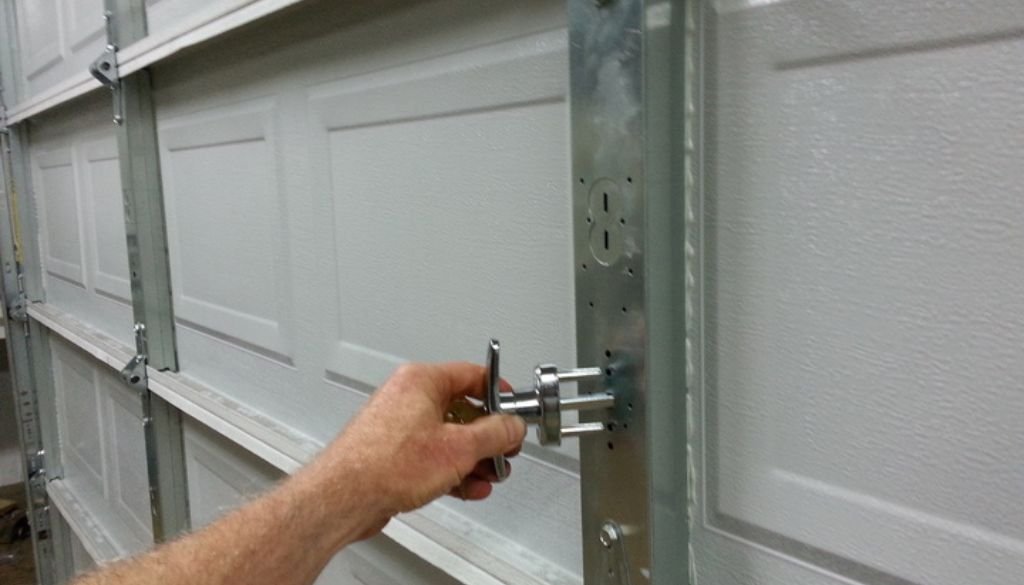
- Use the built-in manual slide bolt lock — many garage doors have a horizontal slide bolt on the inside. Slide it across into the locked position.
- Insert a padlock or cable lock through the track (see methods below).
How to Lock a Garage Door Without a Built-In Lock
Not all garage doors come with a factory slide bolt. Here are three DIY solutions you can use right now:
Method 1: Insert a Bolt or Screwdriver into the Track
This is the quickest temporary garage door lock. Locate the vertical track on each side of the door. Once the door is fully closed, slide a sturdy bolt, padlock shackle, or large screwdriver through one of the holes in the track just above a roller. This prevents the rollers from moving upward, stopping the door from being lifted.
Tip: Use both tracks for maximum security. This method won’t stop a determined attacker but is an effective deterrent in emergency situations.
Method 2: Use a Slide Bolt Lock
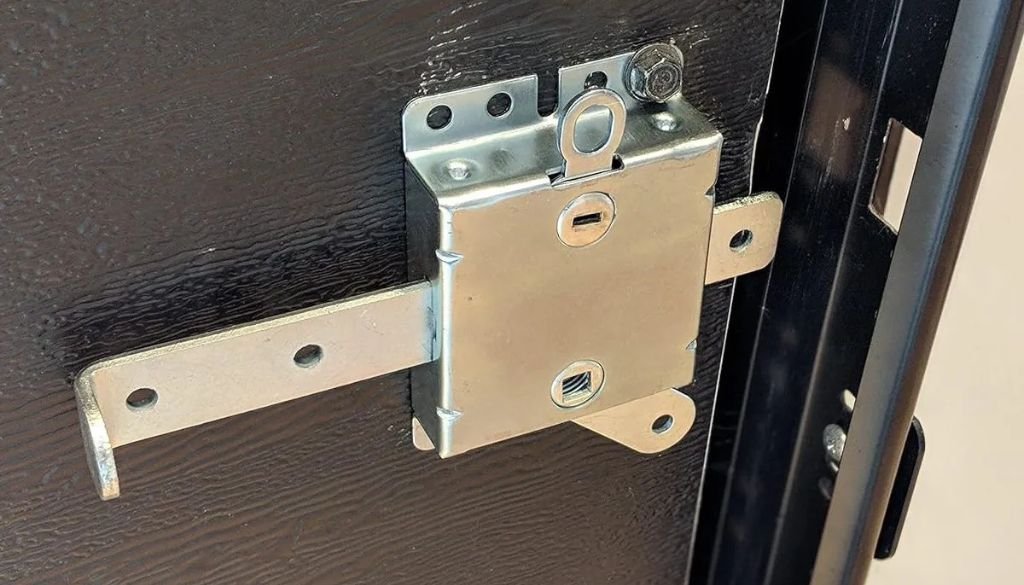
A slide bolt garage door lock is a simple, low-cost fitting you can install on the inside of your garage door within minutes. It typically mounts to the bottom panel and slides into a bracket on the floor or the door frame, preventing the door from being raised. This is one of the most reliable manual locking options available.
Method 3: Use a Heavy Object to Secure the Door
If you need a very temporary solution — like blocking the door during a severe storm or power outage — place a heavy object (such as a large bag of sand or a heavy box) directly at the base of the door. While this doesn’t lock the door, it increases resistance and makes opportunistic entry harder.
For a more permanent fix, the Impact Doors team can install quality manual deadbolts and slide locks suited to your specific door type.
Re-Engaging the Garage Door Opener After Power Returns
Once power is restored or the opener is repaired, here’s how to reconnect your door:
- Remove any manual locks (bolts, screwdrivers) from the tracks.
- With the door fully closed, pull the emergency release cord again — some models require you to pull toward the door, others toward the motor. Check your manufacturer’s instructions.
- Use your remote or wall button to cycle the opener. Many models will automatically re-engage the trolley as the door moves.
- If the trolley doesn’t reconnect automatically, push the door upward manually while activating the opener to allow the carriage to catch.
- Test the door fully — open and close it twice to confirm everything is operating normally.
Still having issues reconnecting your opener? The Impact Doors team is available 24/7 for emergency callouts across Moreton Bay and North Brisbane. Call us on (07) 5451 4022.
Common Mistakes to Avoid
- Pulling the release cord with the door open — always disengage with the door fully closed.
- Trying to lock the door while it’s partially open — this can damage the lock hardware.
- Operating the door manually if springs are visibly broken — a broken spring means the door has no counterbalance and is dangerously heavy.
- Forgetting to unplug the motor — if power returns unexpectedly and someone activates the opener while you have a manual lock in place, it can damage the opener mechanism.
- Leaving a screwdriver in the track long-term — it’s a short-term fix only. Invest in a proper slide bolt lock for ongoing security.
Extra Tips to Improve Garage Door Security
While you’re thinking about manual locks, it’s worth reviewing your overall garage door security:
- Install a manual slide bolt lock as a backup to your opener — it’s inexpensive and adds a meaningful layer of physical security.
- Add a smart opener with auto-lock functionality — brands like Centurion and B&D (which Impact Doors works with regularly) offer models that lock automatically after a set time.
- Install motion-activated lighting around your garage — a well-lit garage is a significant deterrent.
- Keep garage remotes secure — never leave them visible in your car.
- Consider a monitored alarm system that includes the garage as a zone.
For professional advice on the best security upgrades for your specific garage door, contact the Impact Doors team at impactdoors.net.au — we’ve been helping homeowners across North Brisbane and Moreton Bay secure their homes since 2016.
Quick Comparison: Manual Lock Methods
| Method | Security Level | Difficulty | Best For |
|---|---|---|---|
| Re-engage motor | Medium | Easy | Everyday use |
| Slide bolt lock | High | Medium | Long-term security |
| Screwdriver in track | Temporary | Easy | Emergency only |
| Heavy object at base | Low | Easy | Last resort |
Frequently Asked Questions
Can you lock an automatic garage door manually?
Yes. After disengaging the opener using the emergency release cord, you can lock the door using the built-in slide bolt, by inserting a bolt into the track, or by using a padlock shackle through the track holes.
Will the garage door stay locked if the motor is engaged?
In many cases, yes. When the trolley is re-engaged and the opener is powered, the motor mechanism resists manual lifting. However, this alone is not considered a secure lock — a physical bolt or slide lock is always recommended for additional security.
Can burglars open my garage door during a power outage?
Potentially, yes — especially if your door has no physical lock beyond the opener mechanism. A simple technique known as the “fishing wire method” can trip the emergency release cord from outside. To counter this, install a manual slide bolt and consider a release cord shield or blocker.
What type of lock is best for a garage door?
A slide bolt lock is the most effective manual option — it’s inexpensive, easy to install, and provides a solid physical barrier. For high-security needs, a T-handle lock with a deadbolt is worth considering.
Should I unplug the opener before manually locking the door?
Yes, particularly if you plan to insert objects into the track or use a slide bolt. If power is restored and someone inadvertently activates the opener, it may attempt to lift the door against your manual lock, potentially damaging both the lock and the opener mechanism.
For a comprehensive overview of all the ways to secure your garage door, read our full guide: How to Lock a Garage Door from the Inside — impactdoors.net.au/garage-door/lock-garage-door-from-inside/
Need Professional Help? Call Impact Doors Today.
If your garage door isn’t locking properly, has broken springs, or your opener has failed, don’t risk it. Impact Doors offers same-day and emergency garage door repairs across Moreton Bay and North Brisbane.
Call us: (07) 5451 4022
Book online: impactdoors.net.au ★★★★★ 5.0 from 150+ reviews — trusted by homeowners across North Brisbane and Moreton Bay.
